


How to Get a Marriage License
How to Get Your Marriage License
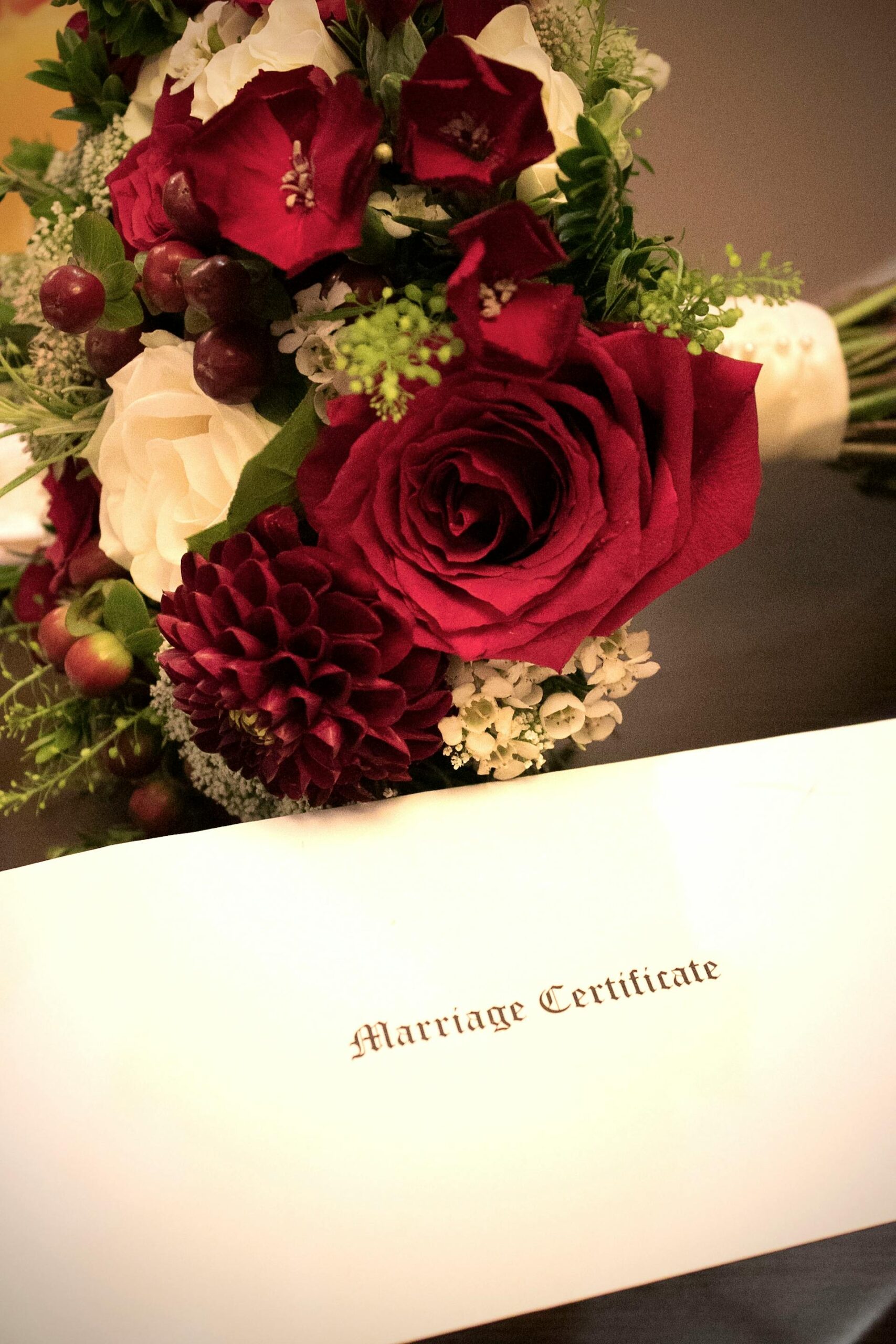
Your union won’t be official until you obtain your marriage license. Here’s everything you need to know before you head to the County Clerk’s Office.

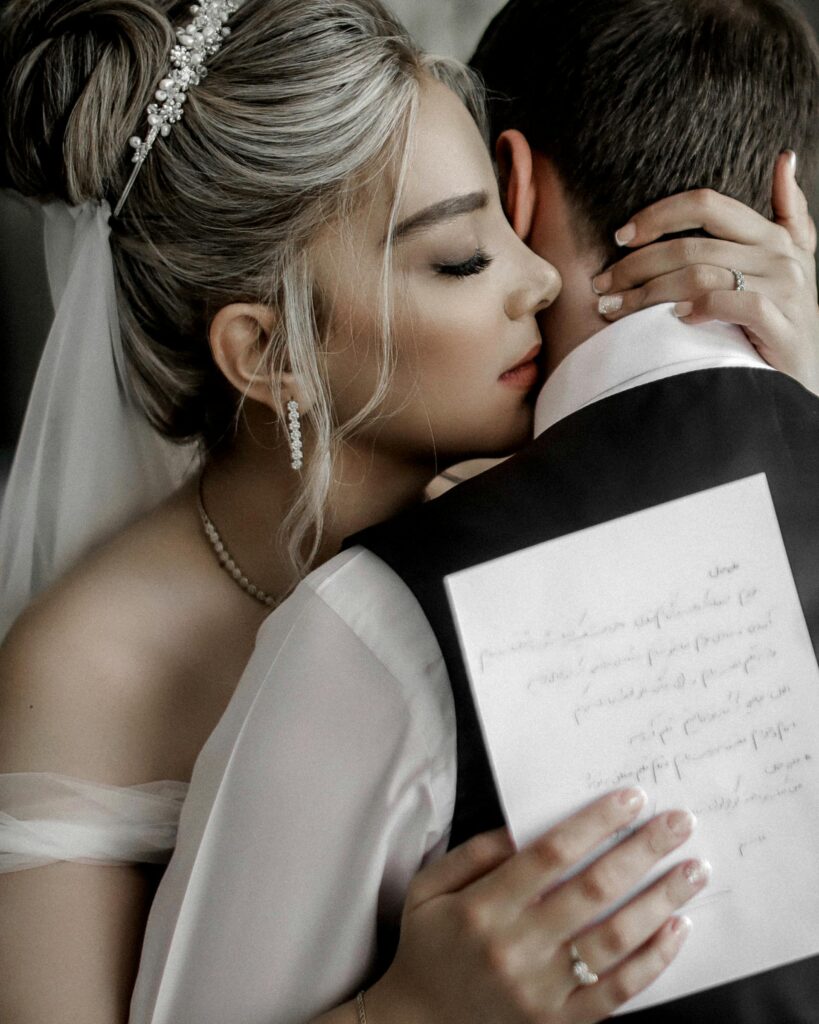

It is surprisingly easy to forget that you actually have to get married on paper. Especially amid the blur of organizing your wedding with your planner. Also while you are firming up honeymoon plans with your fiancee. Your marriage license is basically your permit for eternal love. Think of it as your legal confirmation that you are both free and eligible to marry one another. Sure, it’s paperwork, but it’s still exciting (not to mention absolutely necessary).

Where to begin?
Most, if not all, states have a government website with ample information. Here you can find what materials and documents are required and the office’s contact information.

First determine which city, district and county your nuptials will take place. You’ll need to locate where to obtain your marriage license. It might be city hall, the city or town clerk’s office, or the marriage license bureau. For example, in Connecticut, marriage licenses are issued by the municipal clerk’s office in the town where you’ll be married. In Iowa, couples may apply at any county registrar or recorder’s office. In some states, like New Jersey, you can simply download a marriage license. Then print off the brochure and the license itself to be filled out by you and your spouse-to-be.
Timing is Everything
Other than the physical paperwork, it’s important to be wary of timing. Some states require a several-day waiting period between granting the license and your nuptials taking place. Also, most marriage licenses are only valid for a very specific window of time. This could be anywhere between 10 days and a year. During this timeframe you must have the ceremony, sign the license and file for a certified license and marriage certificate.

Requirements Vary by State
They all want to confirm the basics. Things like, you have proper identification. That you’re not currently married to anyone else, if you previously were, you need proper divorce or widowhood papers. And that you’re of legal age to marry. A good checklist of necessities includes:
• Birth certificates
• Parental consent if underage (usually under 18); you may also need court consent in this case
• Photo identification (driver’s license, state ID card, passport or birth certificate)
• Social Security number
• Proof of citizenship and/or residence
• Divorce decree if divorced
• Death certificate if widowed

With all of this in mind, here are all the details on a marriage license for the State of Tennessee. The best place for residents and destination couples alike to tie the knot especially when figuring out how to get married can be an exhaustive process. From locations to venues, caterers, and getting your marriage license, there are many elements to consider. Hiring an excellent wedding planner who can steer you towards the right professionals to help you pull off this significant big day. They can also save you money can really help you say YES to less stress. Then, all you need to worry about is getting your marriage license on time. We promise you you will have a beautiful Tennessee wedding with our team at the helm!
Step 1: Determine if you are eligible to marry in Tennessee.
Before you can get married in Tennessee, figure out if you are eligible to marry under the state’s laws. These can vary by county. This will ensure that you don’t encounter any problems or delays in getting your license.
• It is not necessary to be a citizen of Tennessee to get married there.
• Neither you nor your partner may be married to another person when you apply for your license. If you are widowed or divorced, you must provide proof of your former spouse’s death or of your divorce.
• You must be 18 years of age or older to get married in Tennessee.
• Sixteen and seventeen year olds may apply for a marriage license when accompanied by a parent or guardian. Fifteen year olds may apply for a marriage license with court consent and parental approval.
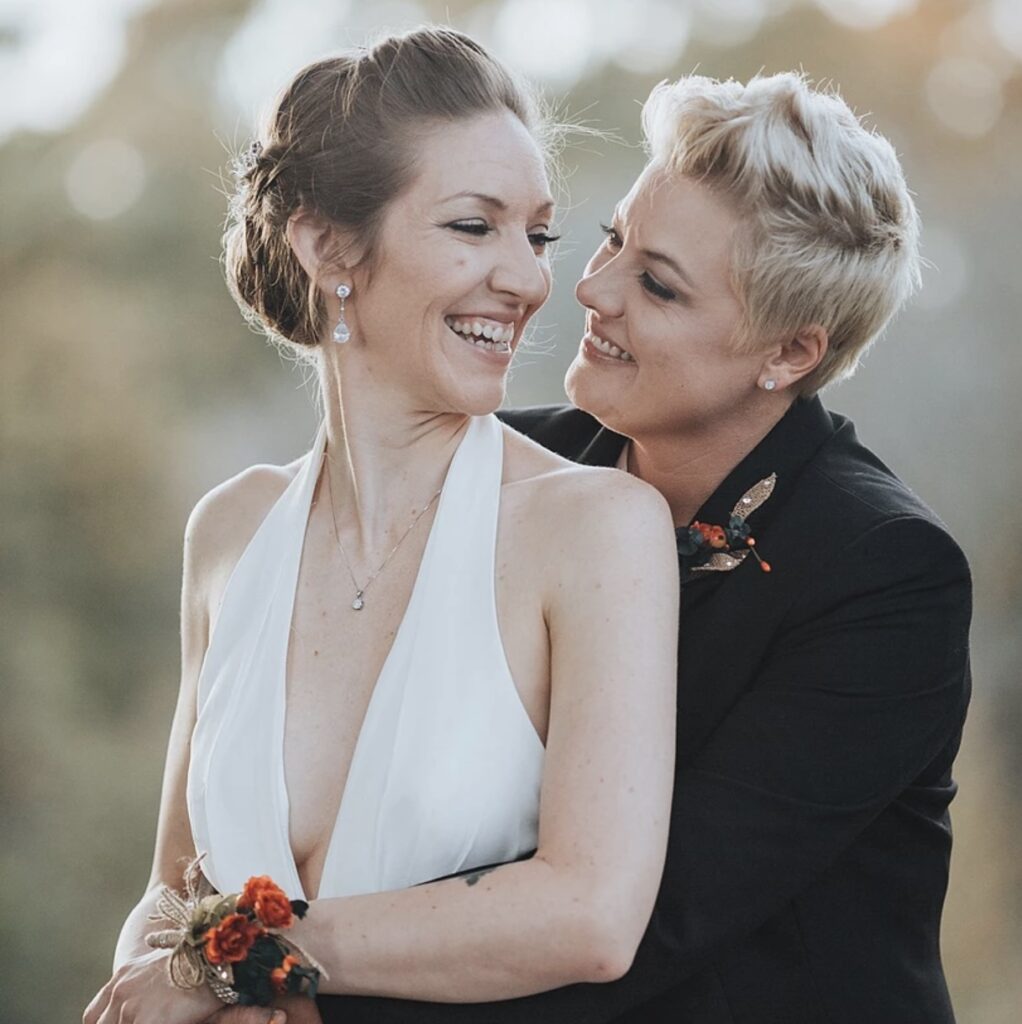
• Same sex marriage is legal in the State of Tennessee.
• Marriage between blood, or “lineal,” relatives, is not permitted. Tennessee but does permit marriage between first cousins, however.
• Any individual with a developmental disability must obtain consent from the department of mental health or department of intellectual and developmental disabilities.

• For questions on specific laws in the county in which you will marry, contact a local clerk.
Step 2: Gather proper documentation and payment to apply for your marriage license.
At the County Clerk’s office, you’ll need to have proper documentation and identification to apply for your marriage license. You will also need to have payment for the license fees in your respective county.
• Bring your Social Security card or driver’s license that contains a Social Security number. In addition, you will need one of the following forms of ID: driver’s licenses, military IDs, passports, or state certified birth certificates.
• If you were previously married, you must provide the date of divorce or death of your spouse.
• Have the full names of both parents, mother’s maiden name; parents’ state of birth and address, if living; applicant’s number of previous marriages and date last marriage ended.
• Fill out an application for a marriage license, which you can get at the local County Clerk’s office.
• Expedite the process of applying for a marriage license in Tennessee by filing initial information online. The service will automatically forward your application to the appropriate county clerk.
• Tennessee doesn’t require blood testing to receive a marriage license.
• Have any documentation that is not in English translated by a certified translator. There is no specific provision in the Tennessee law about non-English forms of identification or documentation. We still advise you to have translated versions in case the local authorities ask for them.
Step 3: Secure the license fees.
In addition to your documentation and identification, you’ll need to secure the right fees to pay for your marriage license. You have the option to reduce the general fee by taking a premarital counseling class.
• Marriage license fees in Tennessee vary by county but range from $90 to $100. Contact the County Clerk for where you will marry in Tennessee for specific fees.
• You can reduce the marriage license fee by about $40 if you complete a premarital preparation course. Note that you must provide notarized proof that you’ve completed the course when you apply for your marriage license.
• Note that some areas only accept cash payment for marriage licenses.
Step 4: Figure out the appropriate County Clerk
County Clerks issue marriage licenses to couples in Tennessee. Call ahead of your wedding date to confirm hours of operation, verify requirements, and any other questions you may have.
• For a complete list of County Clerks in Tennessee, consult the website http://www.usmarriagelaws.com/search/united_states/tennessee/#counties.
• Some County Clerks have websites with information on specific laws in their county of jurisdiction. In the event that there is no website for your specific County Clerk, call them to verify information.

Step 5: Obtain your Tennessee marriage license from a County Clerk.
You must purchase your license at a County Clerk before you can get married in Tennessee. Make sure to have all of the proper documentation and fees before you arrive to avoid delays.
• Both parties must appear to apply for a marriage license. You must file an affidavit for any party that cannot appear at the County Clerk to apply. If you are disabled or incarcerated you can submit a notarized statement instead of appearing in person.
• You have to sign your application in front of the County Clerk.
• Get your marriage license at a County Clerk before you plan to get married in Tennessee.
• The State of Tennessee does not have a waiting period for marriage licenses if you are 18 or older. There is a three day waiting period if you are between 15-17 unless accompanied by both parents. Both parents of both underage parties, that is.
• The marriage licenses in Tennessee are valid for 30 days after the County Clerk issues it.
• Your marriage may be performed outside of the Tennessee county in which it was issued. You must return the license to the issuing County Clerk’s Office for recording and filing.
• The officiant must endorse the marriage license and return it to the County Clerk within three days of signing.
Step 6: If you haven’t already, hire a wedding planner.
If you can afford it or just need some extra help, consider hiring a wedding planner. We can help you coordinate the various elements of planning your wedding from venues to photographers. We also promise to help decrease everyone’s stress levels on your wedding day.
Leave a Reply

Welcome to Weddings & Events by Raina website.
Following are the terms and conditions that govern your use of this site. THESE TERMS AND CONDITIONS OF USE CONSTITUTE A LEGAL AGREEMENT BETWEEN YOU AND Weddings & Events by Raina. PLEASE READ THIS AGREEMENT (“AGREEMENT”) IN ITS ENTIRETY BEFORE YOU CONTINUE TO USE THIS WEBSITE OR DOWNLOAD ANY IMAGE. BY USING THIS WEBSITE, YOU AGREE TO BE BOUND BY THE TERMS AND CONDITIONS OF THIS AGREEMENT. IF YOU DO NOT AGREE YOU MUST IMMEDIATELY DISCONTINUE USING THE SITE.
Ownership of This Website
This website is owned and operated by Weddings & Events by Raina. All of the content featured or displayed on this website, including, but not limited to, text, graphics, photographs images, illustrations and software (“Content”), is owned by Weddings & Events by Raina , its licensors and its content providers. All elements of Weddings & Events by Raina websites, including, but not limited to, the general design and the Content, are protected by trade dress, copyright, moral rights, trademark and other laws relating to intellectual property rights. Except as explicitly permitted under this or another agreement with Weddings & Events by Raina , no portion or element of this website or its Content may be copied or retransmitted via any means and this website, its Content and all related rights shall remain the exclusive property of Weddings & Events by Raina or its licensors unless otherwise expressly agreed. You shall indemnify Weddings & Events by Raina, its subsidiaries, its affiliates and licensors against any losses, expenses, costs or damages incurred by any or all of them as a result of your breach of the terms of this Agreement or your unauthorized use of the Content and related rights.
Disclaimers
THIS WEBSITE AND ITS CONTENT ARE PROVIDED “AS IS” AND Weddings & Events by Raina EXCLUDES TO THE FULLEST EXTENT PERMITTED BY APPLICABLE LAW ANY WARRANTY, EXPRESS OR IMPLIED, INCLUDING, WITHOUT LIMITATION, ANY IMPLIED WARRANTIES OF MERCHANTABILITY, SATISFACTORY QUALITY OR FITNESS FOR A PARTICULAR PURPOSE. Weddings & Events by Raina WILL NOT BE LIABLE FOR ANY DAMAGES OF ANY KIND ARISING FROM THE USE OF THIS SITE, INCLUDING, BUT NOT LIMITED TO DIRECT, INDIRECT, INCIDENTAL, PUNITIVE AND CONSEQUENTIAL DAMAGES. THE FUNCTIONS EMBODIED ON, OR IN THE MATERIALS OF, THIS WEBSITE ARE NOT WARRANTED TO BE UNINTERRUPTED OR WITHOUT ERROR. YOU, NOT Weddings & Events by Raina, ASSUME THE ENTIRE COST OF ALL NECESSARY SERVICING, REPAIR OR CORRECTION DUE TO YOUR USE OF THIS WEBSITE. Except as specifically stated in these Terms and Conditions of Use or elsewhere on this website, or as otherwise required by applicable law, neither Weddings & Events by Raina nor its directors, employees, licensors, content providers, affiliates or other representatives will be liable for damages of any kind (including, without limitation, lost profits, direct, indirect, compensatory, consequential, exemplary, special, incidental, or punitive damages) arising out of your use of, your inability to use, or the performance of this website or the Content whether or not we have been advised of the possibility of such damages. Weddings & Events by Raina uses reasonable efforts to ensure the accuracy, correctness and reliability of the Content, but we make no representations or warranties as to the Content’s accuracy, correctness or reliability. There may be links to other websites from the Weddings & Events by Raina website; however, these other websites are not controlled by Weddings & Events by Raina and we are not responsible for any content contained on any such website or any loss suffered by you in relation to your use of such websites. You waive any and all claims against Weddings & Events by Raina regarding the inclusion of links to outside websites or your use of those websites. Some US states and foreign countries do not permit the exclusion or limitation of implied warranties or liability for certain categories of damages. Therefore, some or all of the limitations above may not apply to you to the extent they are prohibited or superseded by state or national provisions.
Governing Law and Venue
This Agreement shall be interpreted, construed and governed by the laws of the State of Tennessee, USA, without reference to its laws relating to conflicts of law and not including the provisions of the 1980 United Nations Convention on Contracts for the International Sale of Goods. Venue for all disputes arising under this Agreement shall lie exclusively in the Courts of the State of Tennessee in Rutherford County or the Federal District Courts of the District of California (as permitted by law) and each party agrees not to contest the personal jurisdiction of these courts. Notwithstanding the foregoing, however, Weddings & Events by Raina shall have the right to commence and prosecute any legal or equitable action or proceeding before any non-US court of competent jurisdiction to obtain injunctive or other relief in the event that, in the opinion of Weddings & Events by Raina, such action is necessary or desirable. No Waiver, Severability No action of Weddings & Events by Raina , other than an express written waiver or amendment, may be construed as a waiver or amendment of any of these Terms and Conditions of Use. Should any clause of these Terms and Conditions of Use be found unenforceable, wherever possible this will not affect any other clause and each will remain in full force and effect. We reserve the right to change these Terms and Conditions of Use prices, information and available contractual license terms featured on this website without notice. These conditions set out the entire agreement between Weddings & Events by Raina and you relating to your use of this website.
Copyright © 2022, Weddings & Events by Raina All rights reserved.
Terms of Service
This policy explains the what, how, and why of the information we collect when you visit one of our websites, blogs, or share your personal information with us via social media such as Facebook. It also explains the specific ways we use and disclose that information. We take your privacy extremely seriously, and we never sell lists or email addresses or phone numbers.
As a “Subscriber”, you contacted us and we in turn will return your initial contact. If at any time you would like to cease communication, as the Subscriber you may do so by emailing weddingsbyraina@gmail.com asking to cease communication and be removed from our potential clients list. We reserve the right to make changes to our Privacy Policy at any time and from time to time.
Information you voluntarily provide to us: When you sign up for information, schedule a consultation. send us an email, post on our blog, or communicate with us in any way, you are voluntarily giving us information that we collect. That information may include the Subscribers name, physical address, email address, phone number. By giving us this information, you consent to this information being collected, used, disclosed, transferred to the United States and stored by us, as described in our Terms of Use and in this Privacy Policy. When you request to receive our newsletter, you are subscribing and give us the right to contact you. When a Subscriber forwards an email to a friend, we do not store your Subscriber’s email address or their friend’s email address, and no one is added to any Distribution List and we can not see who the newsletter was forwarded to. As any time you may stop receiving our promotional emails by following the unsubscribe instructions included in every email we send.
Blog - We have public blogs on our Websites. Any information you include in a comment on our blog may be read, collected, and used by anyone. If your Personal Information appears on our blogs and you want it removed, contact us at weddingsbyraina@gmail.com. If we are unable to remove your information, we will tell you why.
Contest and Sweepstakes - We may, from time to time, offer surveys, contests, sweepstakes, or other promotions on our Website, blog or through social media (collectively “Promotions”). Participation in Promotions is completely voluntary. Information requested for entry may include personal contact information such as your name, address, date of birth, phone number, email address.
Privacy Policy
Ivory Door Studio
Photography Credit
Button Bug Photography
Markella Kyprios Photo
Zach Harrison Photography
Jenna Henderson
Sur La Lune Photography
Ardee Chua Photography
Brasspenny Photography
Amy Allmand Photography
Laura K Allen
John Myers Photography
Zoe Life Photography
Dani Purdington Photography
Rebecca Denton Photography
Need photo credit for photos used on this site? Our apologies! Send us an email and we'll get it fixed!

Be the first to comment