Wedding Traditions From Around the World

From the brides wearing something old, new, borrowed, and blue to the tossing of the bouquet American wedding customs are still quite popular with couples today. Why not start off your marriage off with a sprinkling of good luck?
Pretty much every country and culture also has its own beloved wedding customs.Some are sweet, some are perplexing and some just seem strange to those of other cultures. What binds these seemingly disparate customs from near and far is love. If you follow these traditions, as the theory goes, you will find eternal joy with your soulmate. When love and happiness ever after are the outcomes, it’s always a win-win for the newlyweds.Here are many of the traditions that go far beyond the bouquet toss….let us know which are your favorites in the comments below.
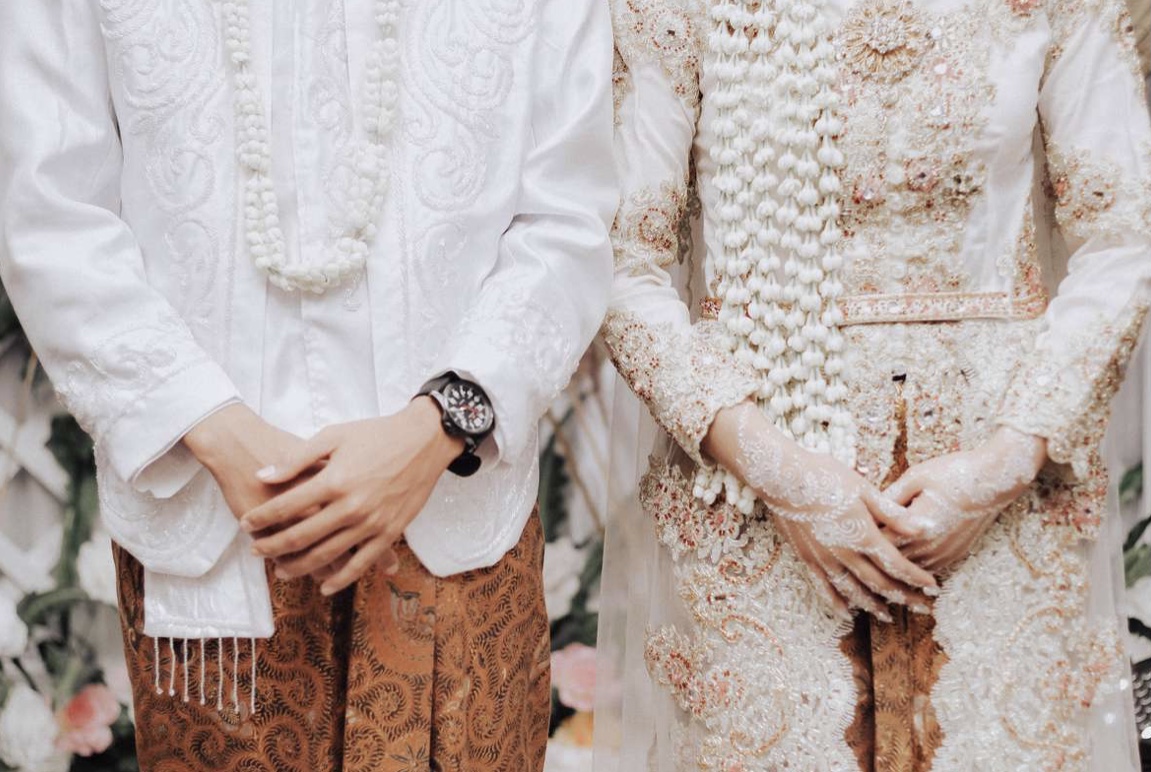
Indonesia: Got to Go? Not So Fast!
Spending the first three days together confined to their home sounds kind of sweet for Indonesian couples in Borneo, however, this practice is to keep the newlyweds from using the bathroom in order to strengthen their bond (and clearly their bladders!). Talk about a true test of patience.
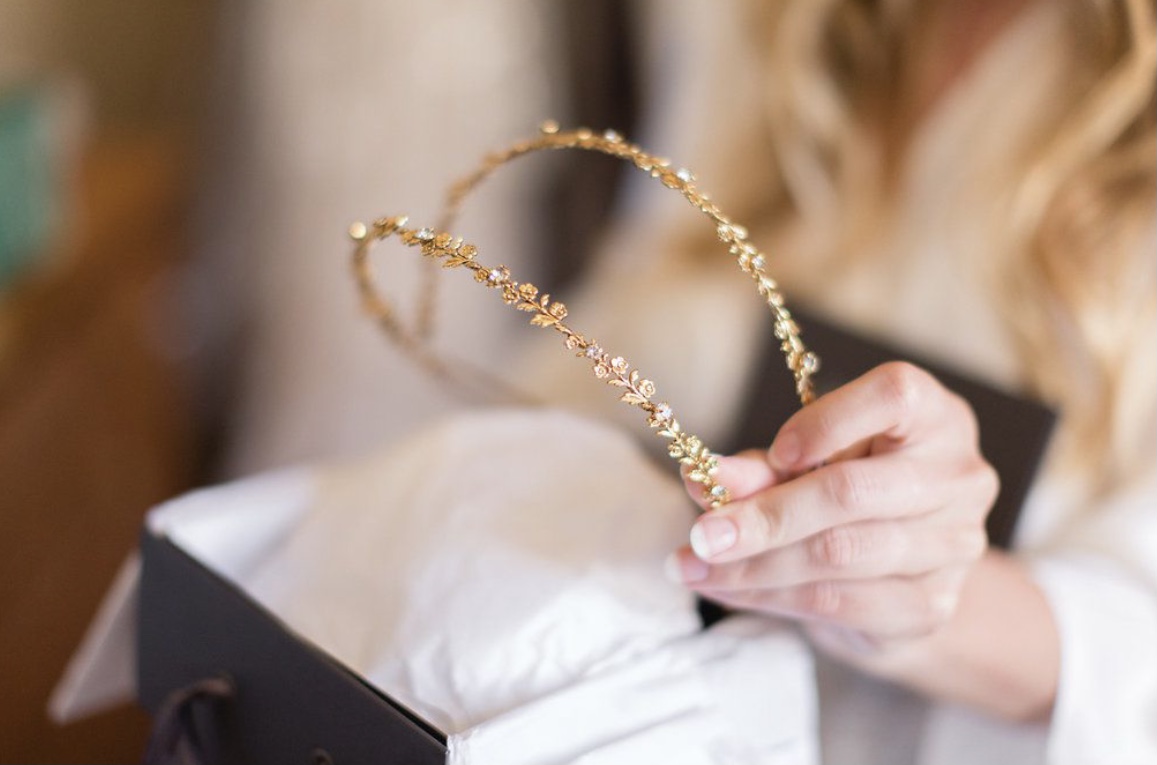
Norway: The Sound From Little Charms
One Norwegian tradition states that the bride will wear an ornate silver and gold crown that has small charms dangling all around it. When she moves, the tinkling sound is said to deflect evil spirits.
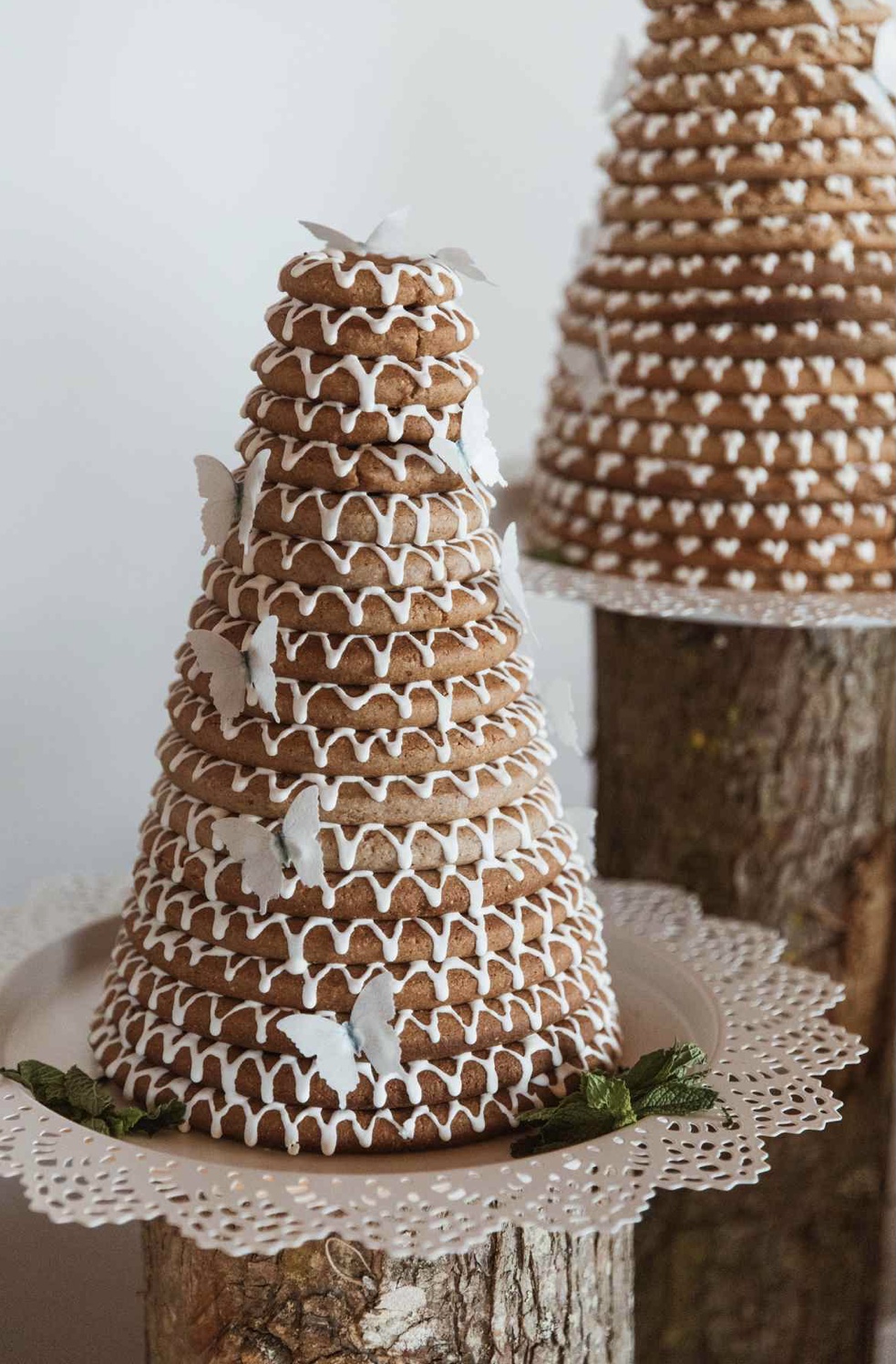
Norway: A Towering Treat
When in Norway, ditch the white wedding cake. The typical Norwegian wedding dessert is to serve a towering “kransekake”, meant only for special-occasions. This delicious confection hides a wine bottle at the center which is then surrounded by iced almond cake rings to form a cone shape.
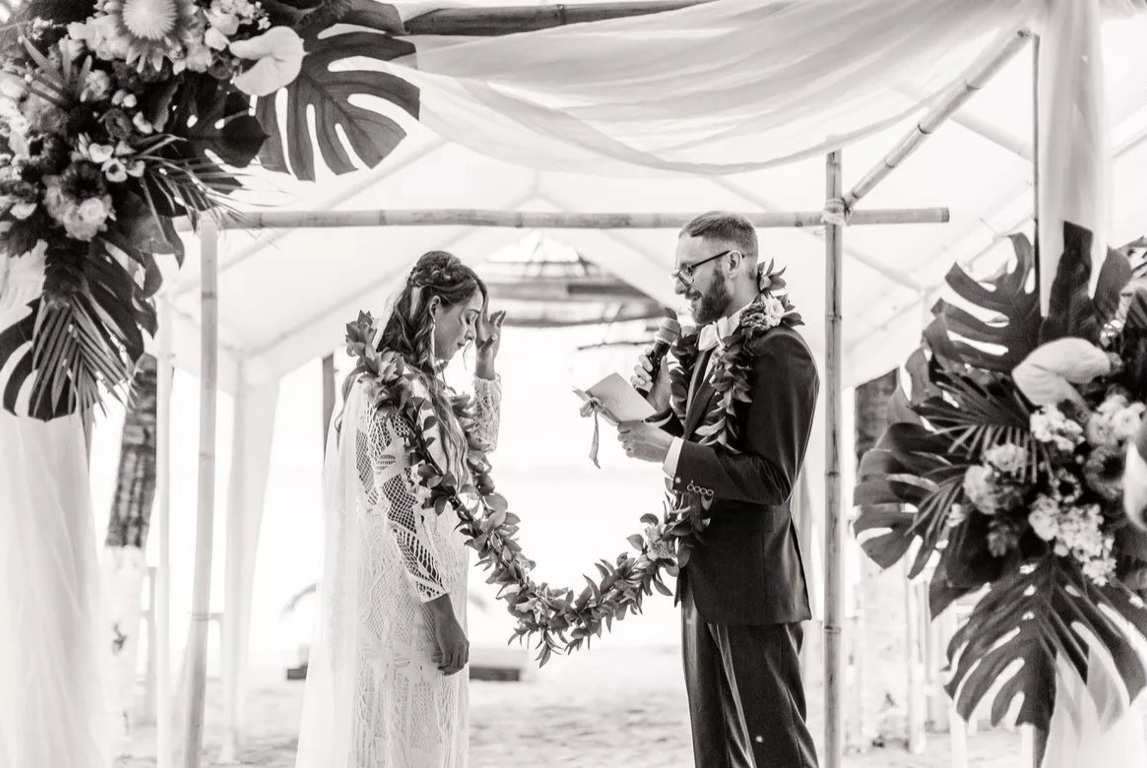
Mexico: Lasso My Heart
During the ceremony, as Mexican couples exchanging their vows, a “lazo” made of rosary beads and flowers is draped around their shoulders creating a figure eight. Not only does “el lazo” represent the union of the couple, but its also resembles the infinity symbol, signifying the eternal duration of the marriage.
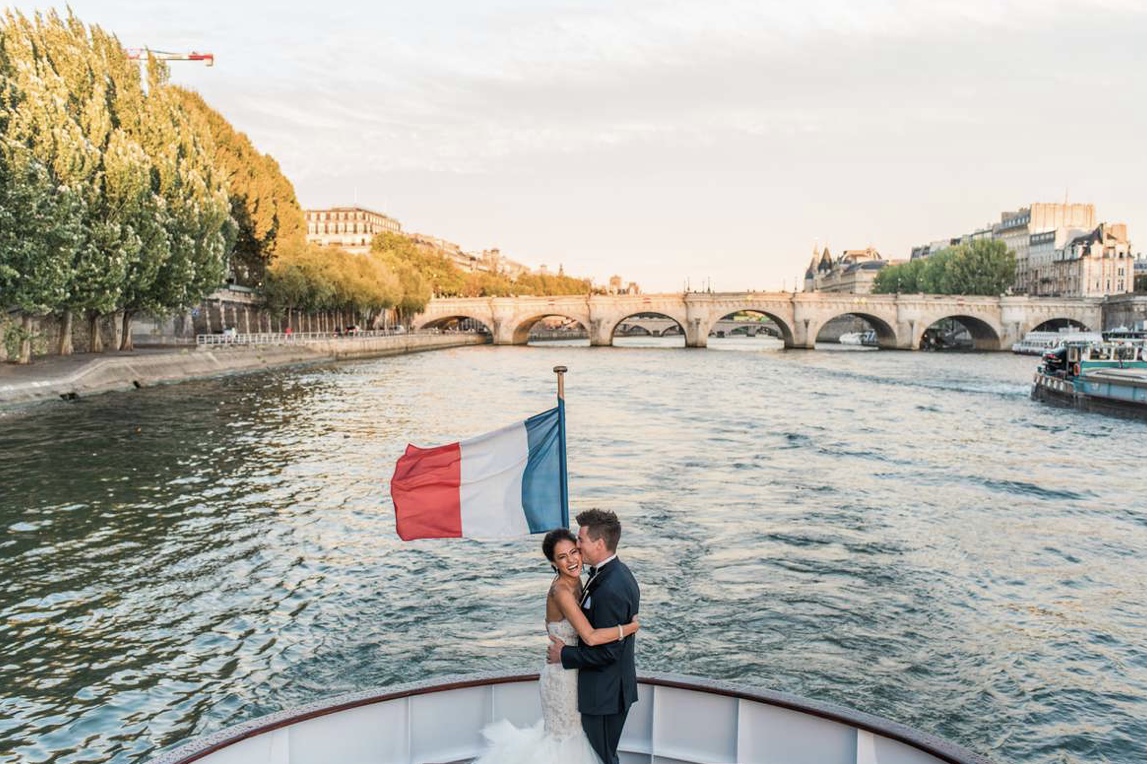
France: Potty Mouth
Good news: French brides and grooms traditionally eat chocolate and champagne after the reception. Bad news: They must consume these treats from a toilet bowl. The point is to give the twosome strength before their wedding night. Unfortunately, it may come with a stomach ache as well.
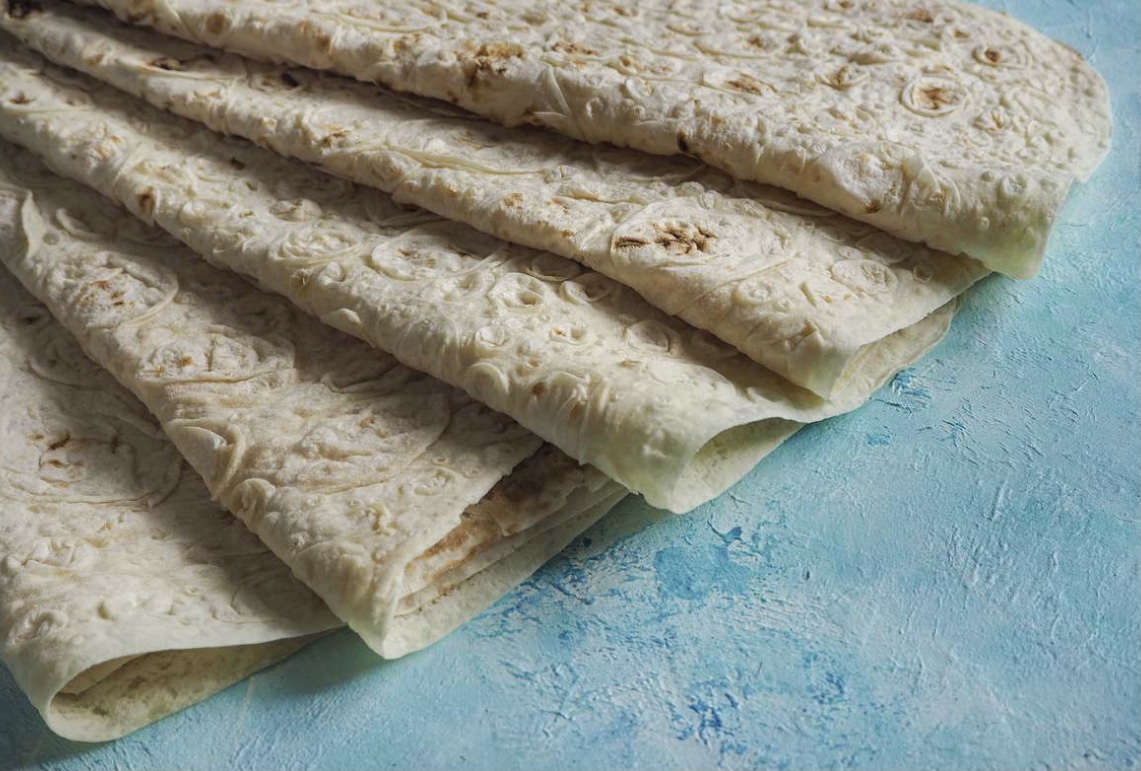
Armenia: Breaking Bread
Want to keep evil spirits far away? Do as newlywed Armenian couples do. Balance lavash flatbread on your shoulders. According to the custom, when the couple enters the reception, which is often held at the groom’s house, they break a plate for good luck. Then the groom’s mother provides them with lavash and honey. They balance the bread on their shoulders to ward off evil and eat spoonfuls of honey to symbolize happiness. Then the party really starts!
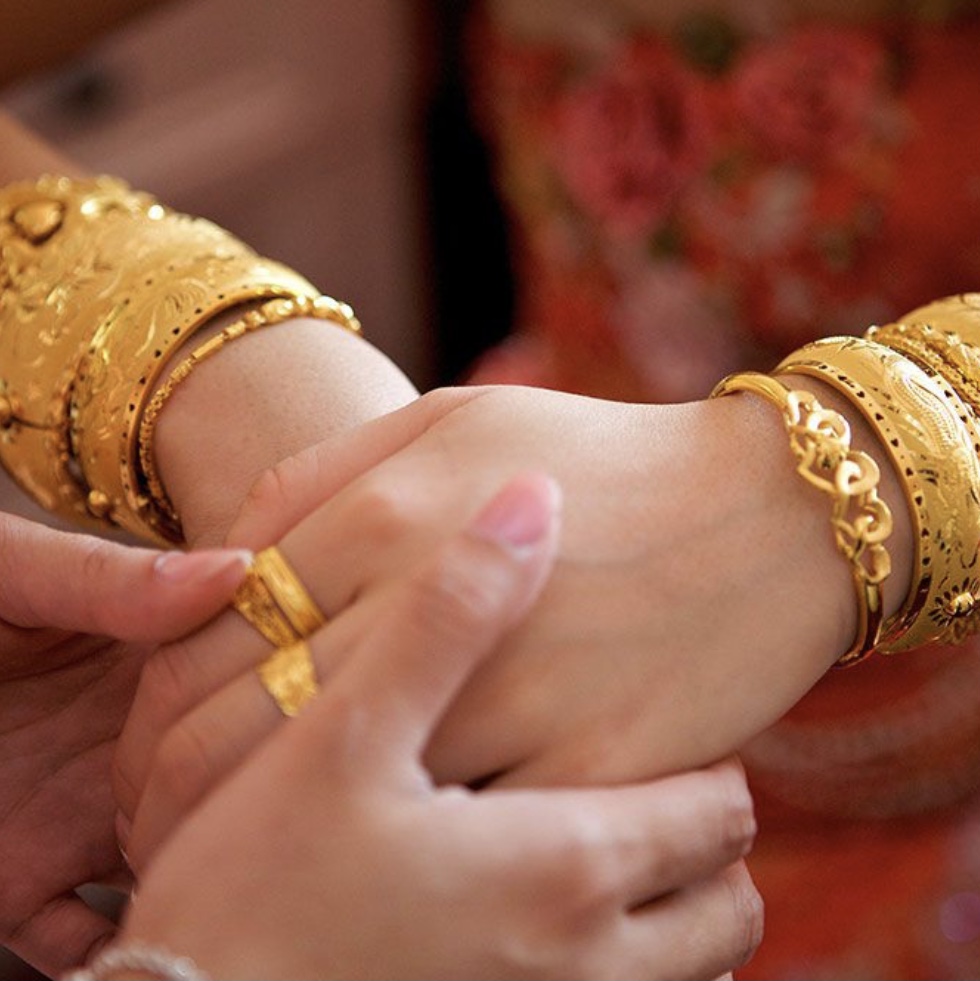
Congo: Don’t Turn That Frown Upside Down
While most soon to be newlyweds are brimming with excitement and anticipation, Congolese couples must keep their happiness in check. During their entire wedding day, from ceremony to reception, the two are not allowed to smile. If they do, it would mean they aren’t serious about marriage.
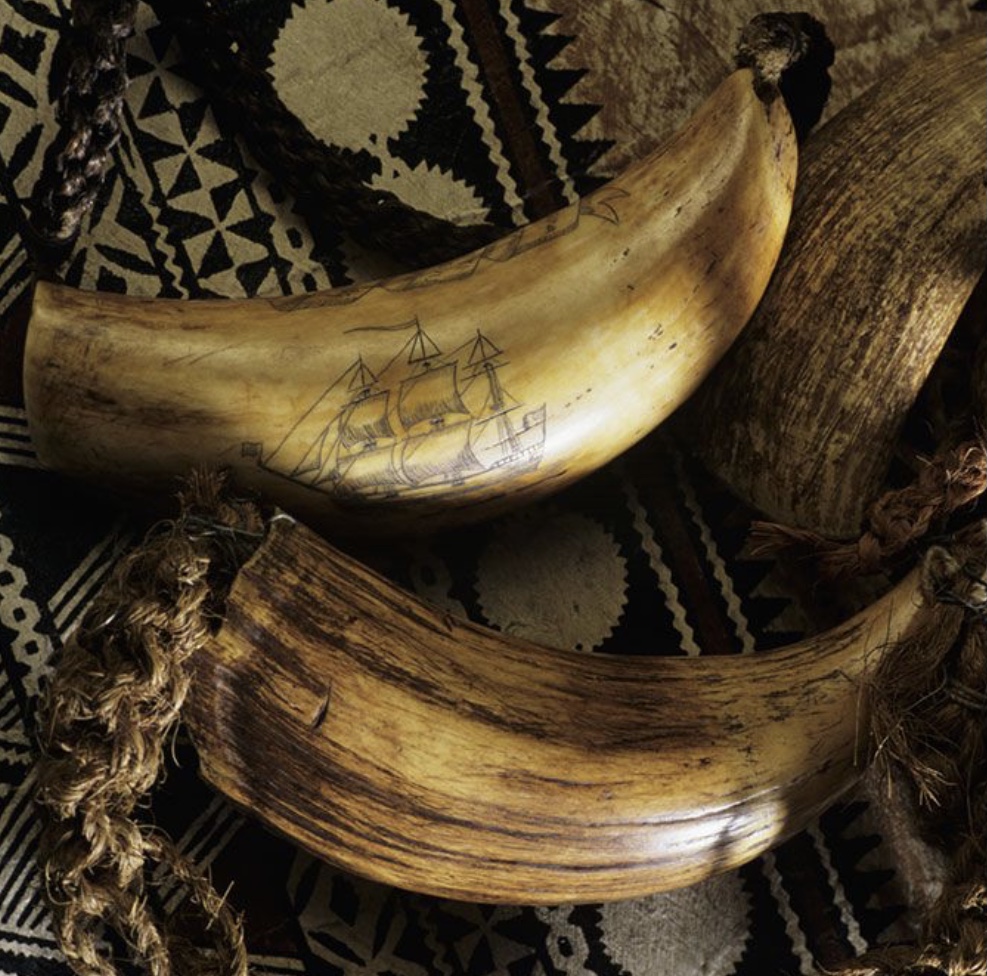
Fiji: Toothy Treasures
Get your wetsuit ready to go! In Fiji, when a man asks a woman’s father for her hand in marriage, he must present his future father-in-law with a whale’s tooth. Gifting him with a new tie would certainly be easier, don’t you think?
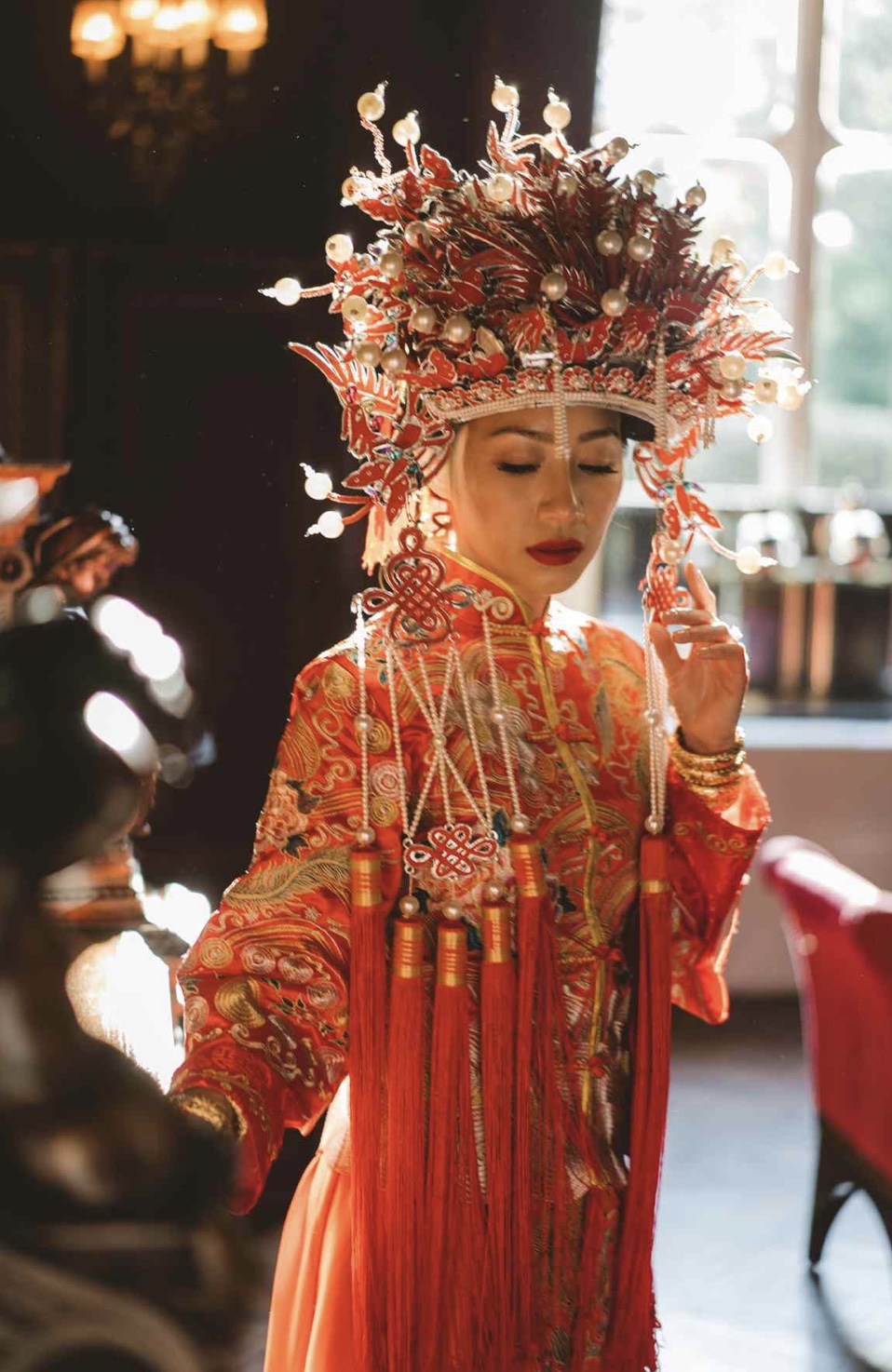
China: Take a Seat
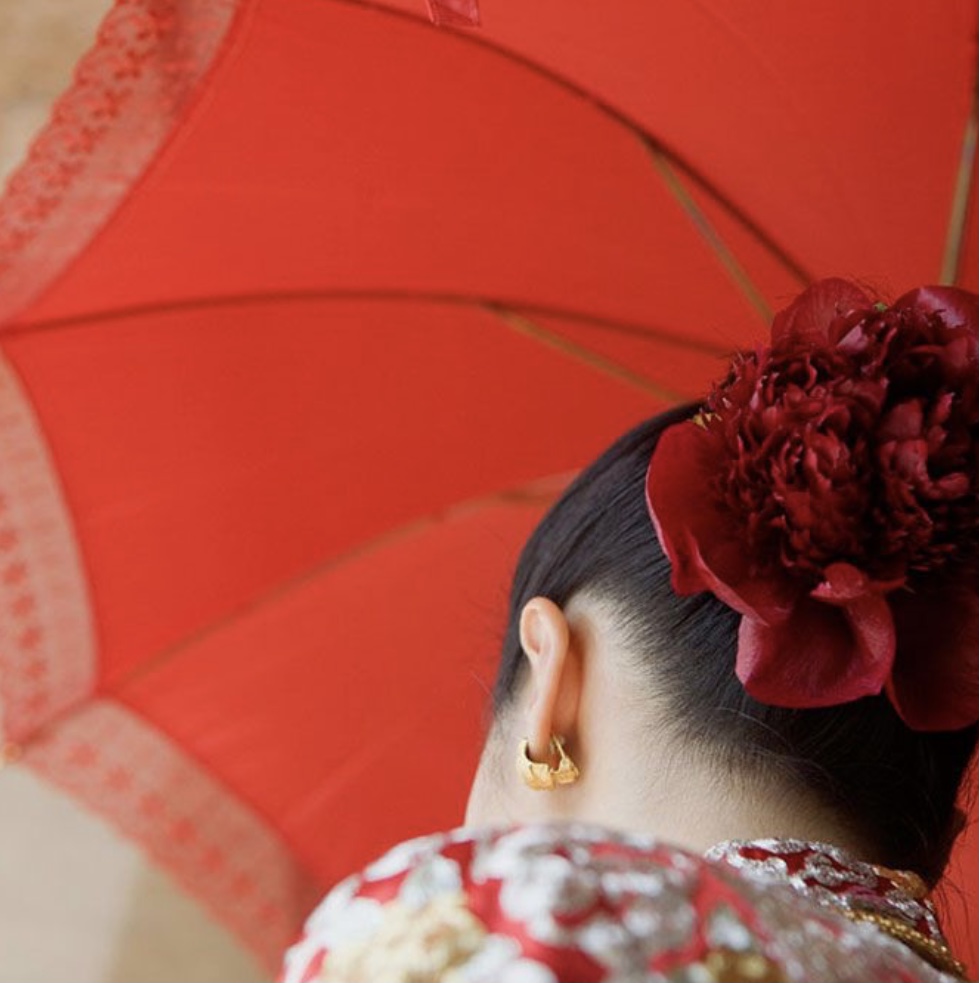
In China, a bride’s family will hire a “good luck” woman to take care of her as she travels from her home to her groom’s home in an elaborately decorated sedan chair. Even more, attendants are busy shielding the bride with parasols and tossing rice which are a symbol of health and prosperity at the chair as she travels.
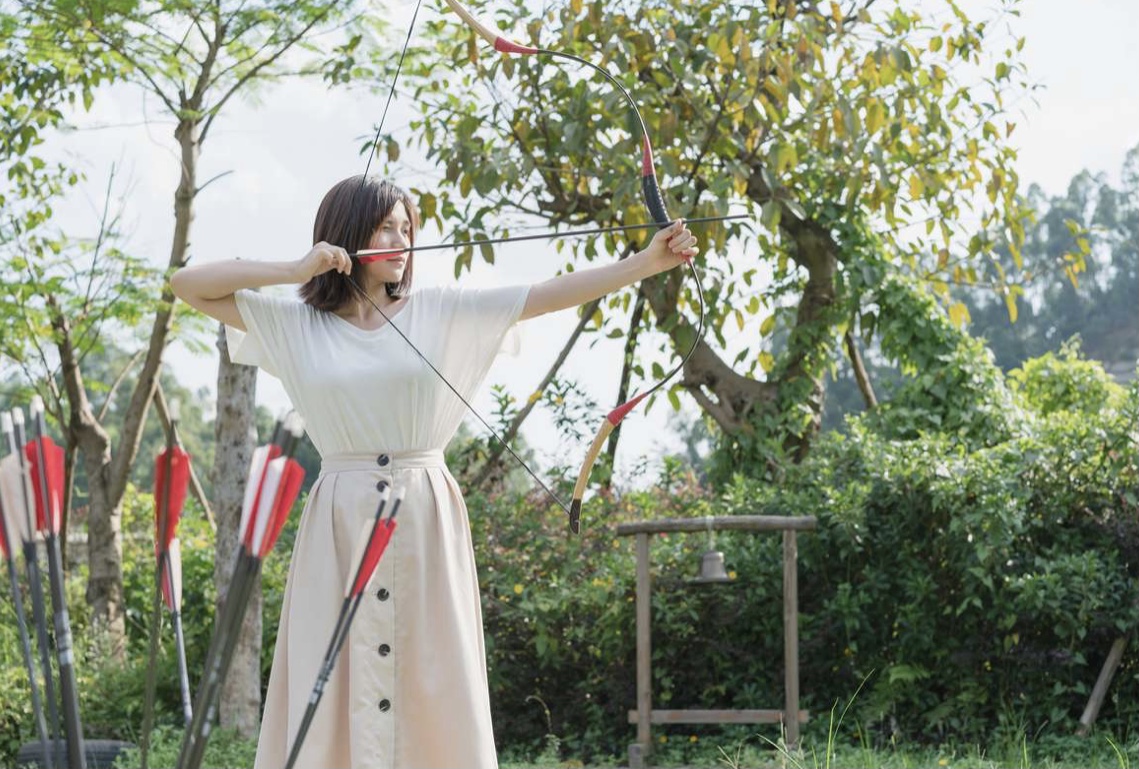
China: Bullseye!
In China, a prospective husband will shoot his bride with a bow and (head-less) arrow several times, then collects the arrows and breaks them during the ceremony, to ensure their love lasts forever. Let’s hope the groom remembers to remove those arrowheads!
China: When Bridesmaids Haze
In this lighthearted tradition, Chinese bridesmaids give the groom a hard time on the morning of the wedding day by putting him, and sometimes his groomsmen, through a series of tests and challenges, called “wedding door games,” to prove that he is worthy of the bride’s hand in marriage. Following these games the groom must then pay off the girls with envelopes full of money for doing a good job.
China: Grab a Tissue
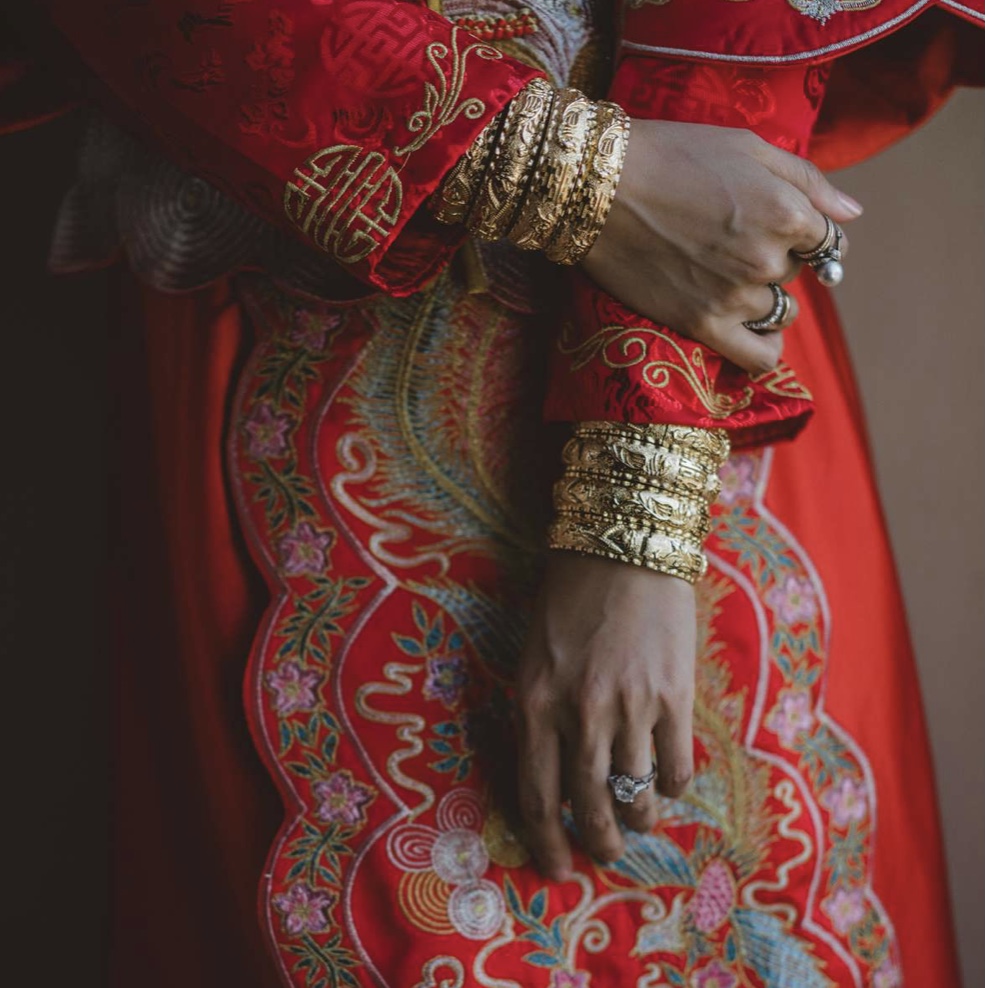
Brides of the Tujia people in China take tears of joy to a whole other level. A month before the wedding, the bride starts to cry for one hour every day. Ten days into the waterworks, her mother then joins her, and 10 days following that, her grandmother also joins in. By the end of the month, every female in the family can be found crying alongside the bride. This weepy tradition is believed to be an expression of joy, as the women will shed their tears, crying in different tones, reminiscent of a song.
China: Hello, Wardrobe Changes!
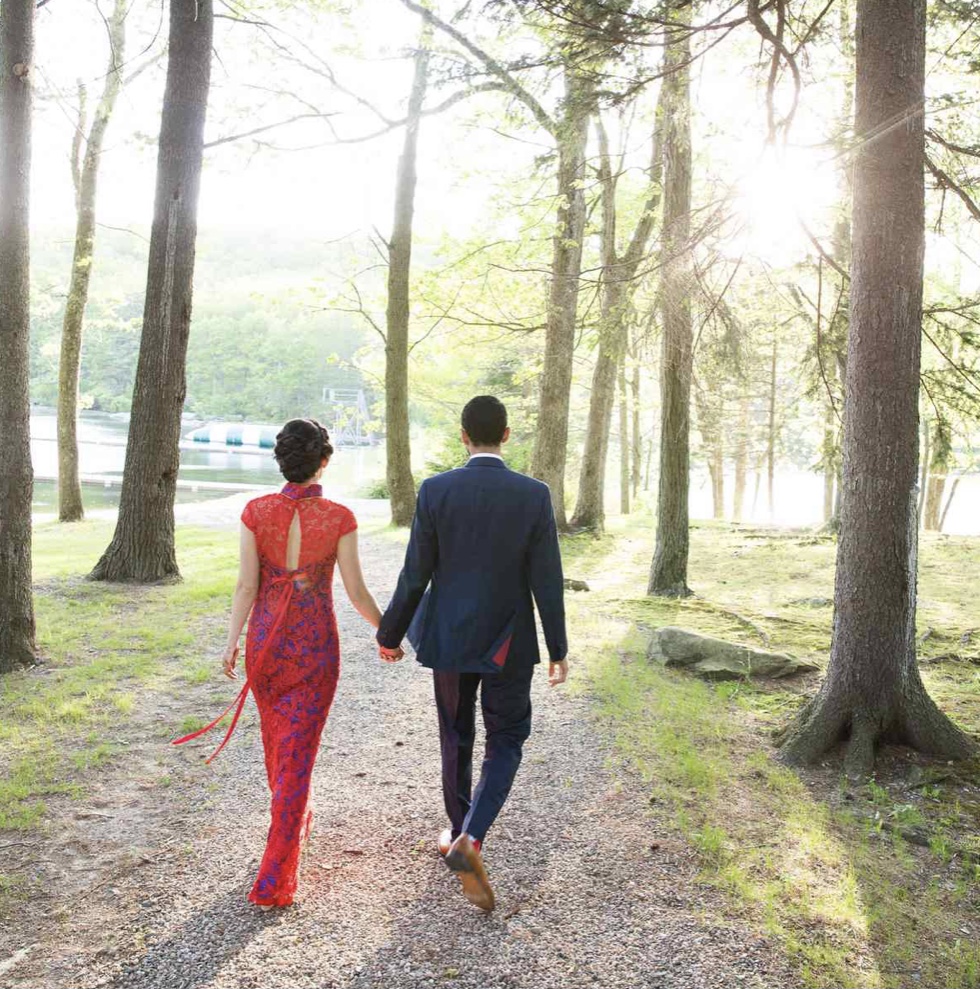
In China, brides typically walk down the aisle in a traditional qipao or cheongsam. A slim-fitting embroidered dress. For the reception, they change into a more Western style gown, fully decked-out, but the bridal fashion show doesn’t end there. To end the night, Chinese brides often change a final time into an elegant cocktail dress for the send off.
Scotland: The Way to Wed
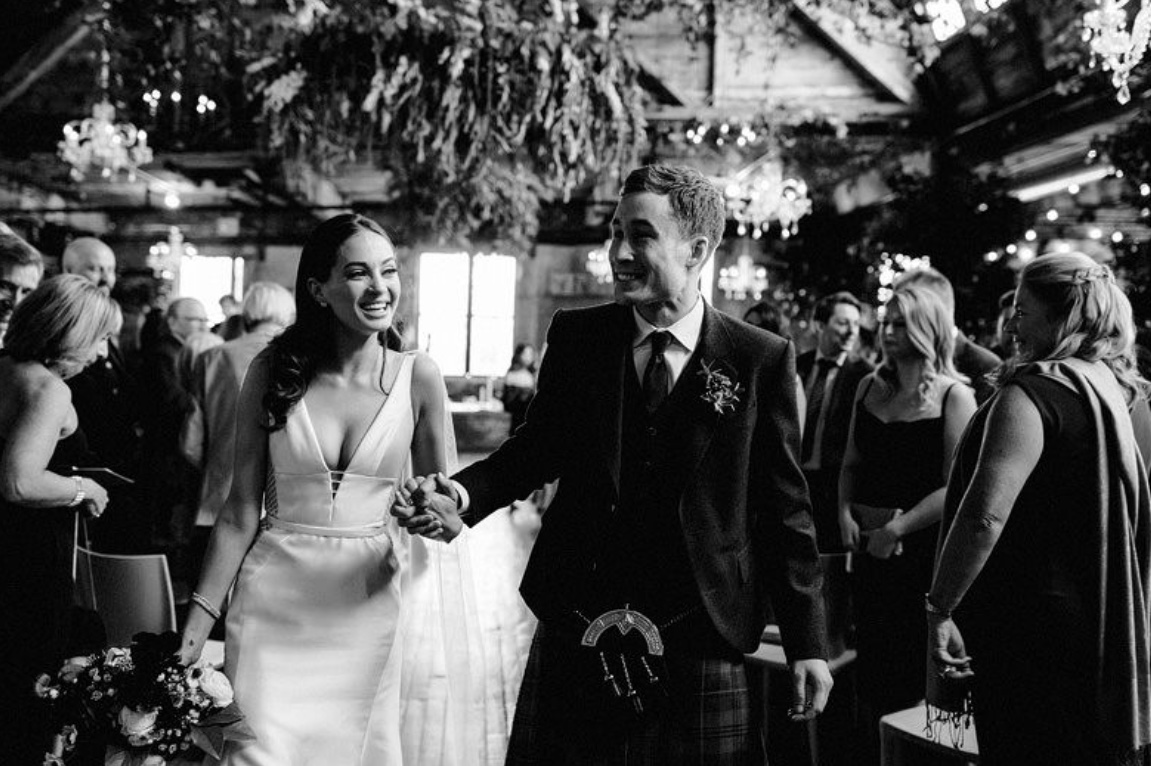
Centuries ago, England restricted marriage to couples who were 21 and over. This certain;y didn’t stop young lovers from finding a loophole. They would run off to the nearby Scottish town of Gretna Green as they did not have such limitations. Today, Gretna Green is still quite popular for couples who wish to elope!
Scotland: All Covered Up
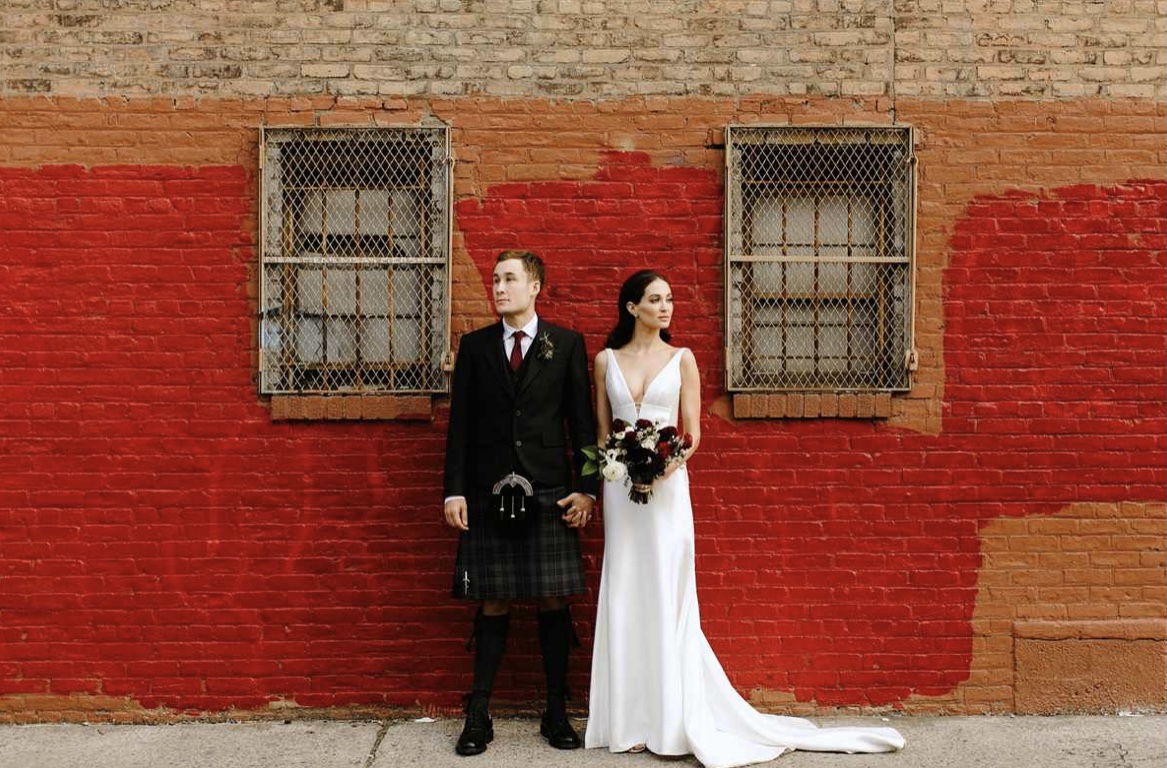
Scottish brides and grooms are captured by their friends the day before their ceremony and covered in everything from molasses and ash to flour and feathers before being paraded around town. The goal may seem to be ultimate humiliation, but the ritual stems from the practice of trying to ward off evil spirits.
Greece: A Close Shave
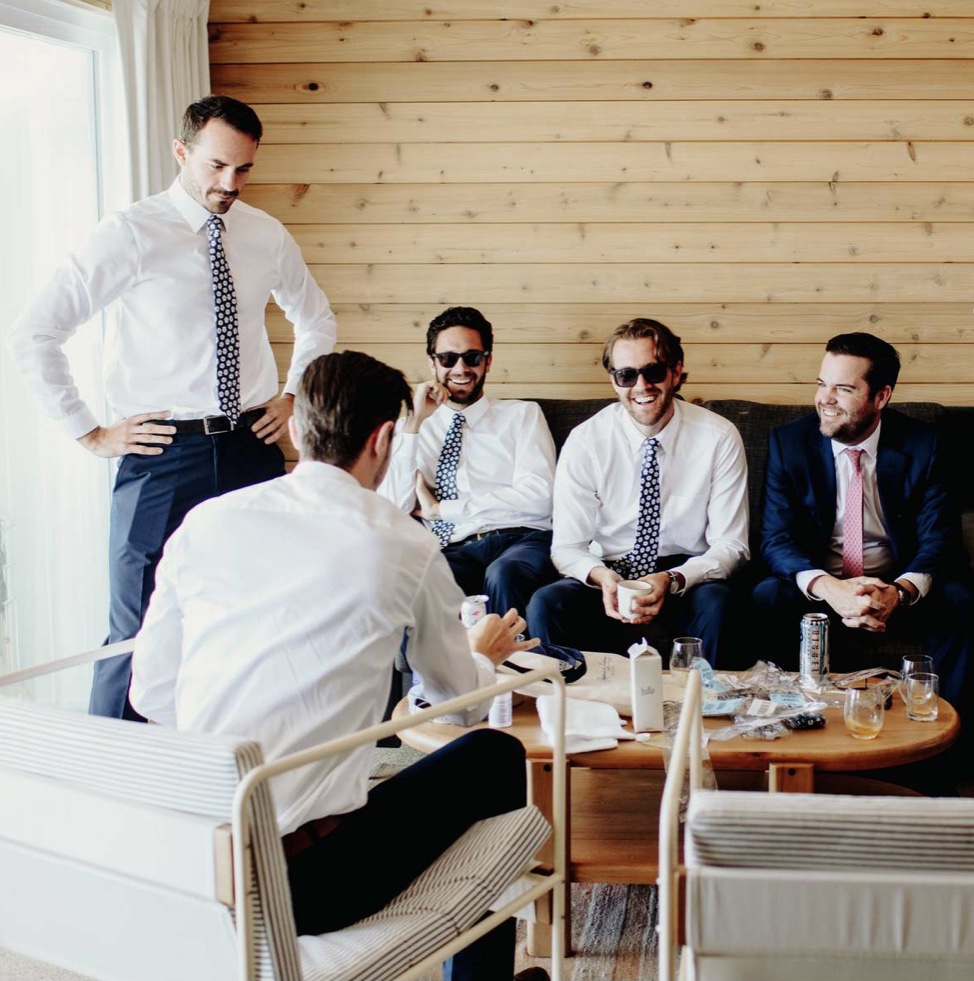
A Greek groom’s best man is called a “koumparos.” The Koumparos then becomes the groom’s barber when he pulls out a razor and shaves the groom’s face. Be sure to select someone you trust, guys! Don’t worry, though, the groom’s day also has a sweet side. After he’s been freshly shaved, his new mother-in-law will then feed him honey and almonds.
Guatemala: Ring the Bell
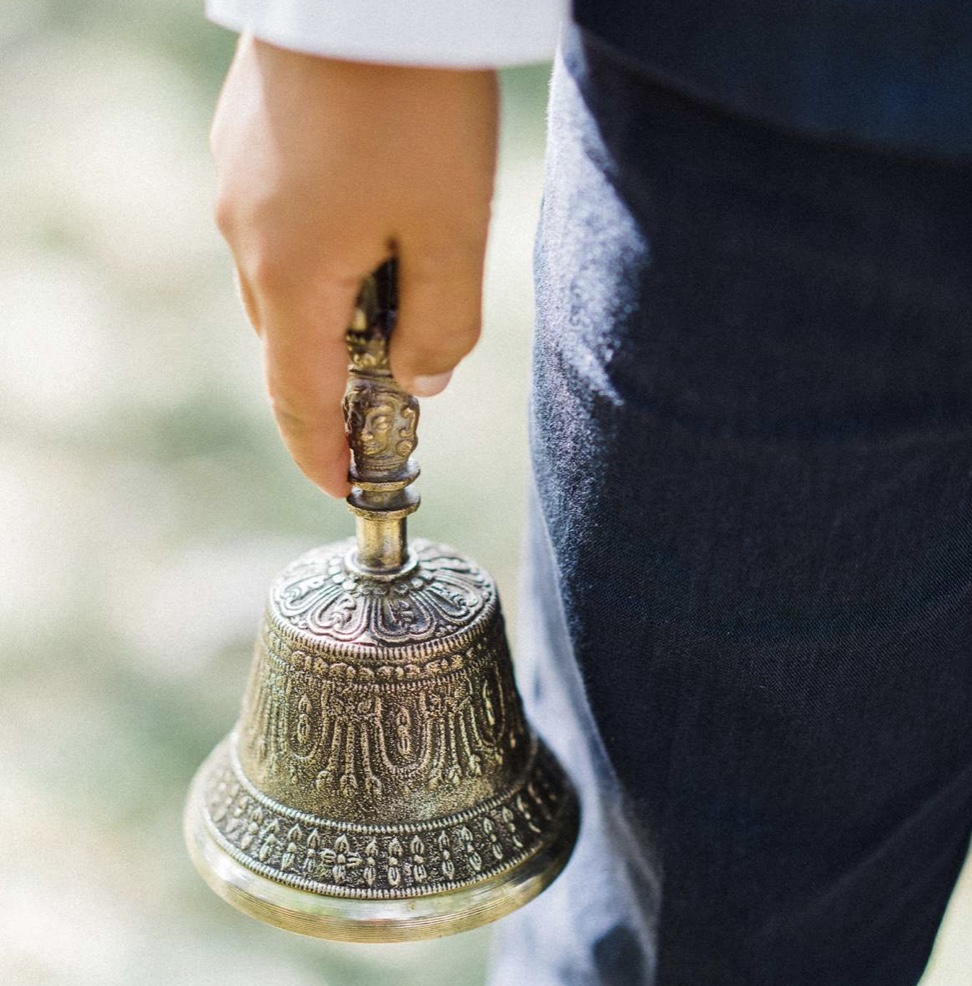
As wedding reception hosts, the parents of Guatemalan grooms can do whatever they want, including smashing things. When the newlyweds arrive, it’s a tradition that the groom’s mom breaks a white ceramic bell filled with rice and flour to bring prosperity to the couple.
Japan: Dress to Impress
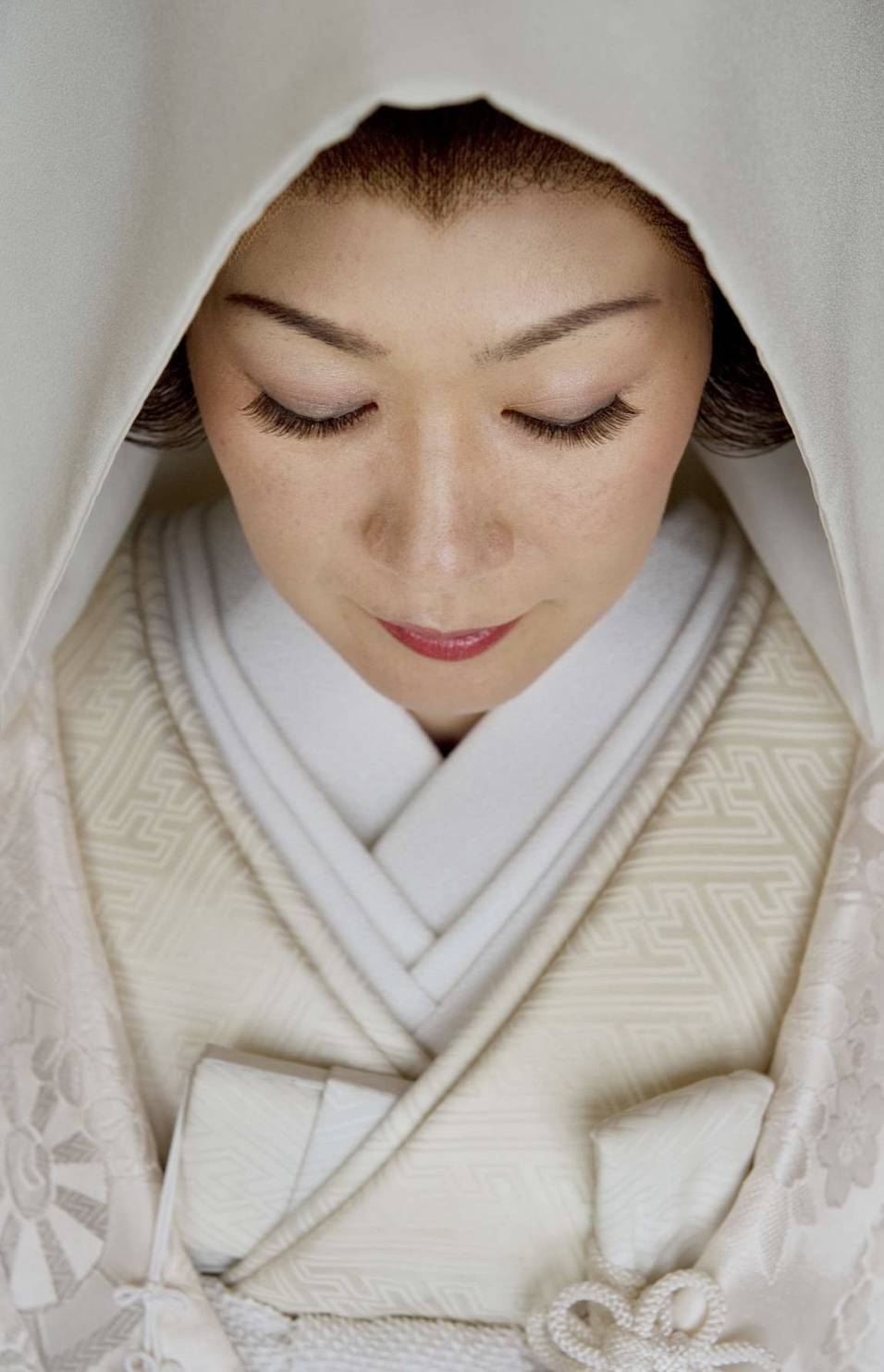
Japanese brides celebrate a traditional Shinto ceremony by wearing white from head to toe, including makeup, kimono, and a hood called a “tsunokakushi.” White denotes her maiden status, and the hood hides the so-called “horns of jealousy” she feels towards her mother-in-law.
Lebanon: Party On!
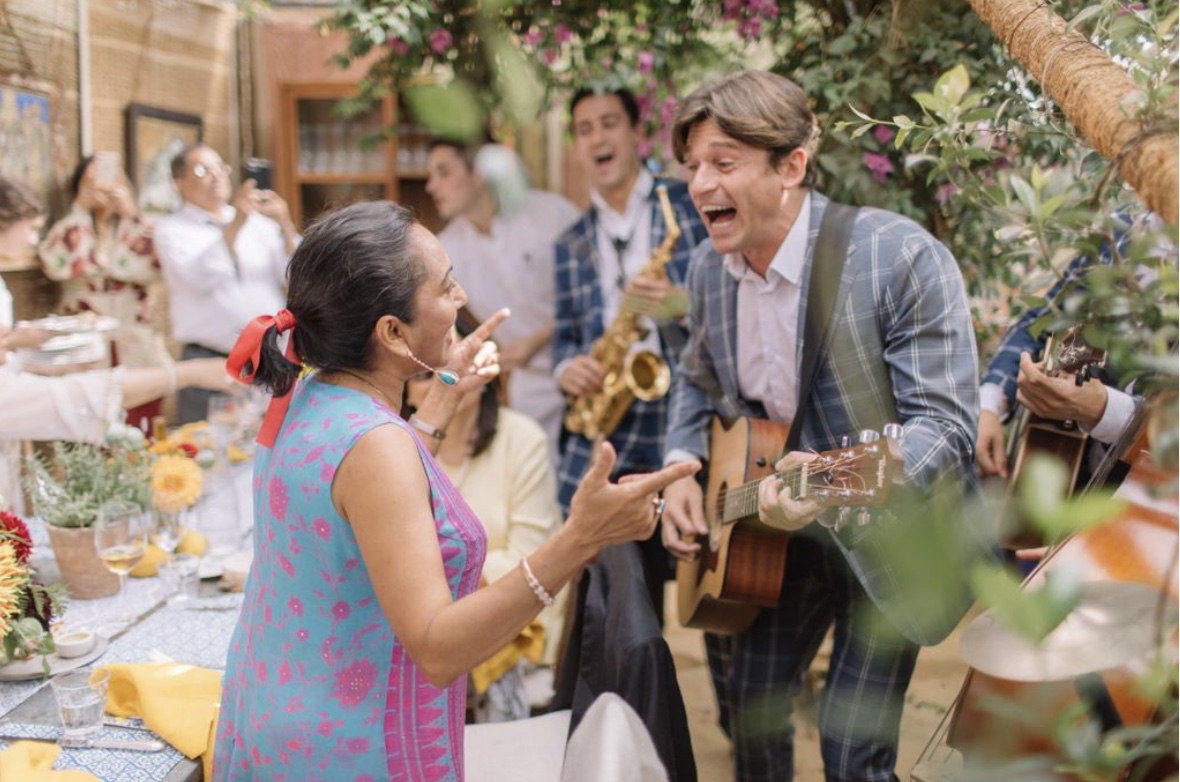
In Lebanon, the wedding celebration, known as the Zaffe, gets off to a rowdy start with music, belly dancing, and shouting at both the groom’s and bride’s homes courtesy of the couple’s friends, family, and, occasionally, professional dancers and musicians. Eventually, everyone ends up at the bride’s house, where the couple is then showered with flower petals and well wishes as they leave for the ceremony.
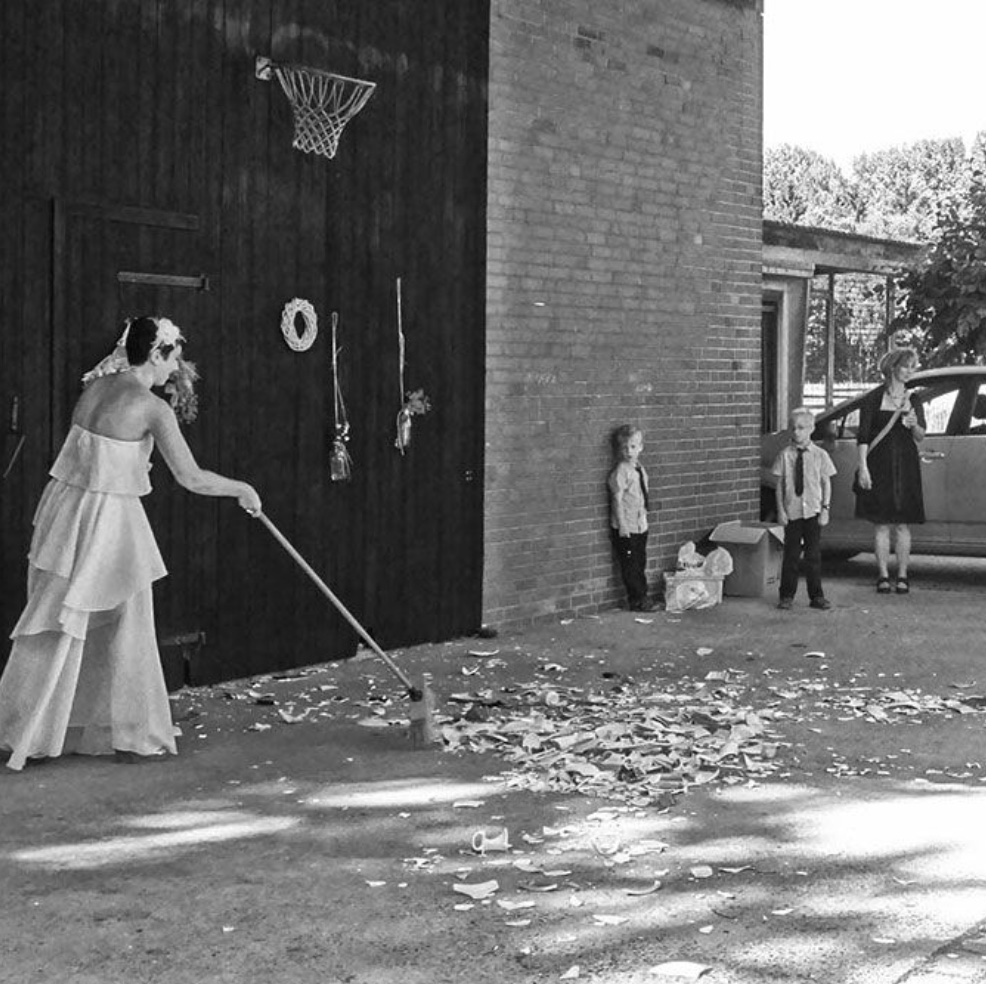
Germany: What a Smash!
In their first bit of housekeeping together, German couples practice “Polterabend,” the tradition of working together to clean up piles of porcelain dishes that their guests have thrown on the ground to ward off evil spirits. This is to teach them that while working together, they can face any challenge thrown their way.
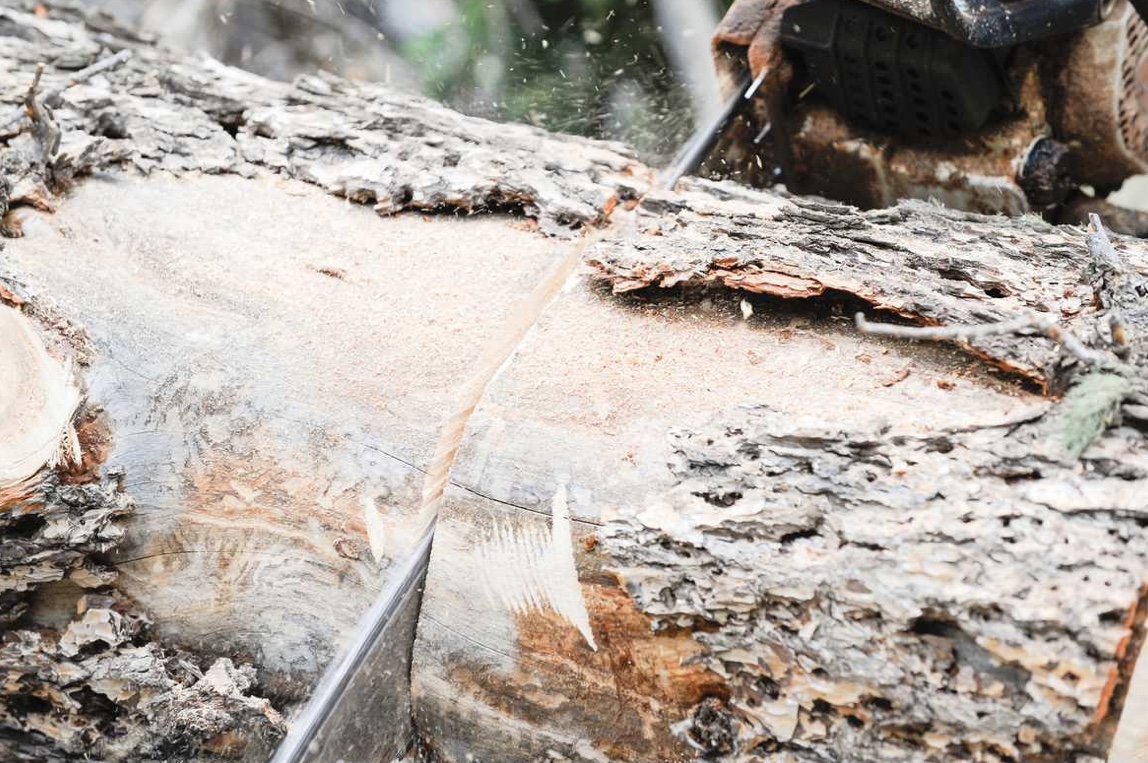
Germany: Redefining Teamwork
After getting married, couples in Germany are presented with a large log and saw. By sawing the log in half as a team, it is believed they are proving their ability to work together in overcoming tough obstacles.
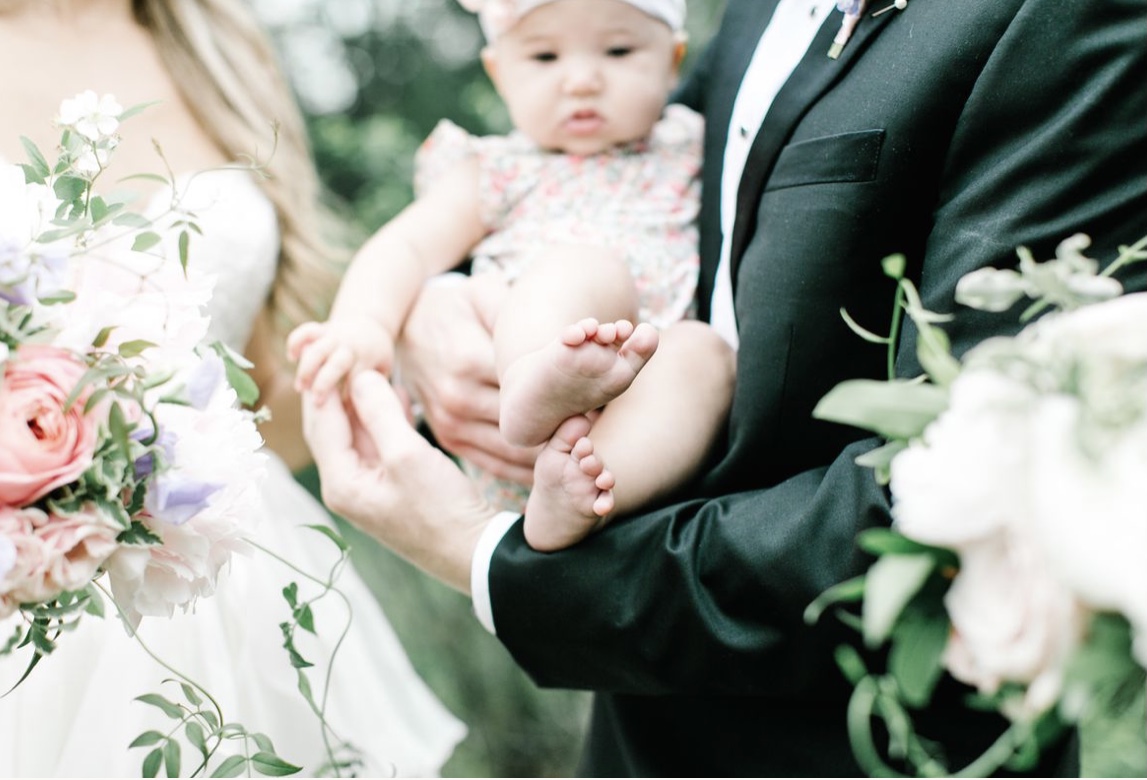
Czech Republic: Oh, Baby!
Before a Czech bride and groom tie the knot, an infant is placed on the couple’s bed to bless and enhance their fertility. Once they’ve wed, guests shower them with rice, peas, and lentils which are also believed to promote fertility.
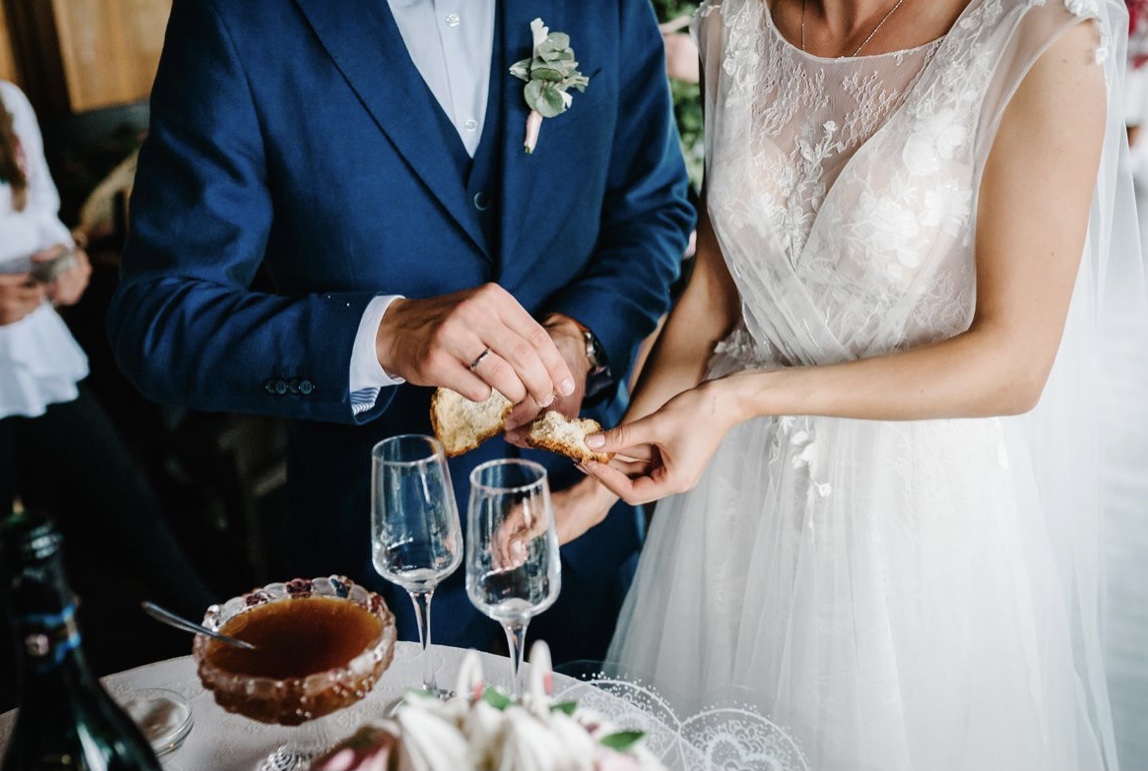
Russia: Chew on This
Newly married Russian couples share “karavay,” a wedding sweetbread decorated with wheat for prosperity and interlocking rings for faithfulness. Whoever takes the biggest bite—husband or wife—without using their hands is considered the head of the family.
Russia: Pay The Piper
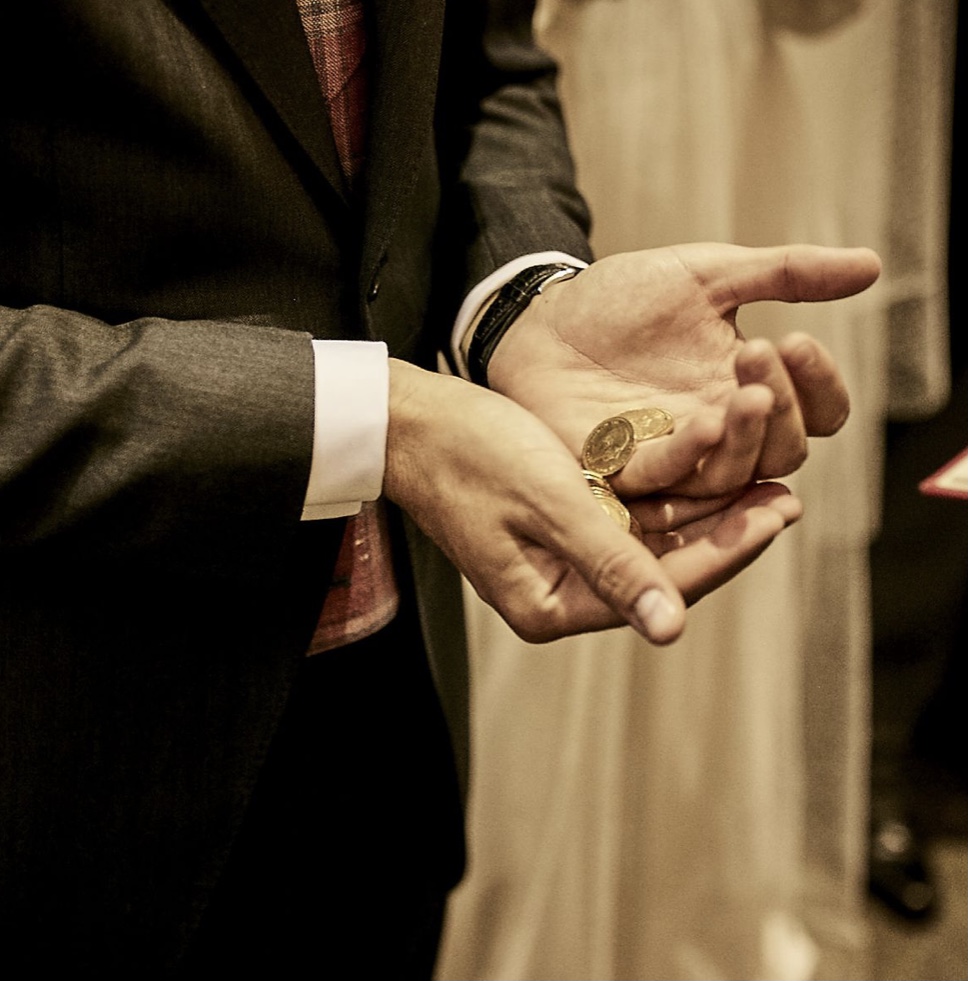
According to custom, a Russian man must go to the bride’s parents’ home on the morning of the wedding and prove his worth by either paying a “ransom” for his lady, showering the bride’s family with gifts, or simply humiliating himself by dancing and singing until the family has had enough.
Russia: Picture This
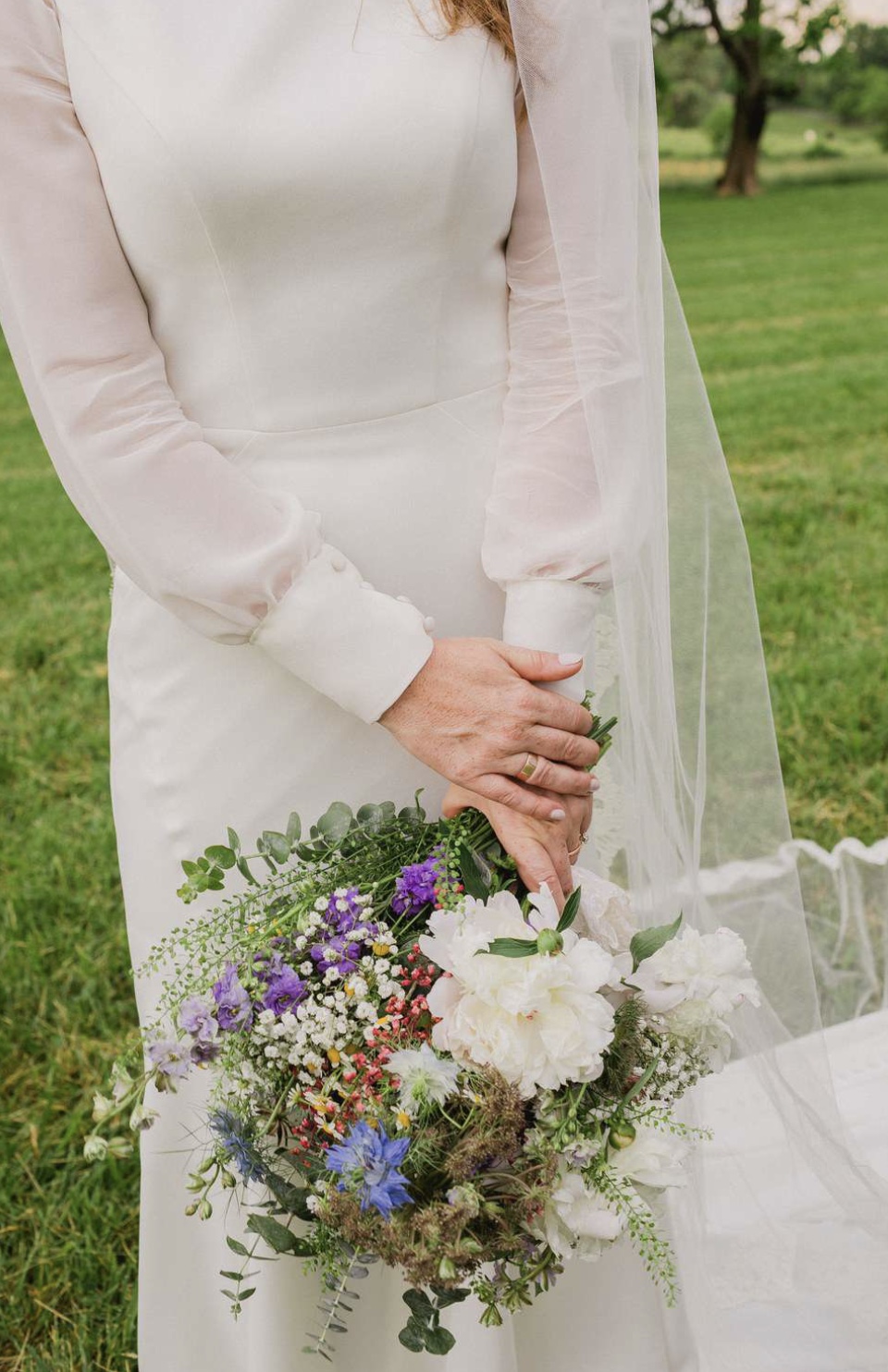
In a gesture of respect, couples in Moscow take wedding photos at the Tomb of the Unknown Soldier near the Kremlin, then lay down flowers afterward.
Niger: So You Think You Can Dance
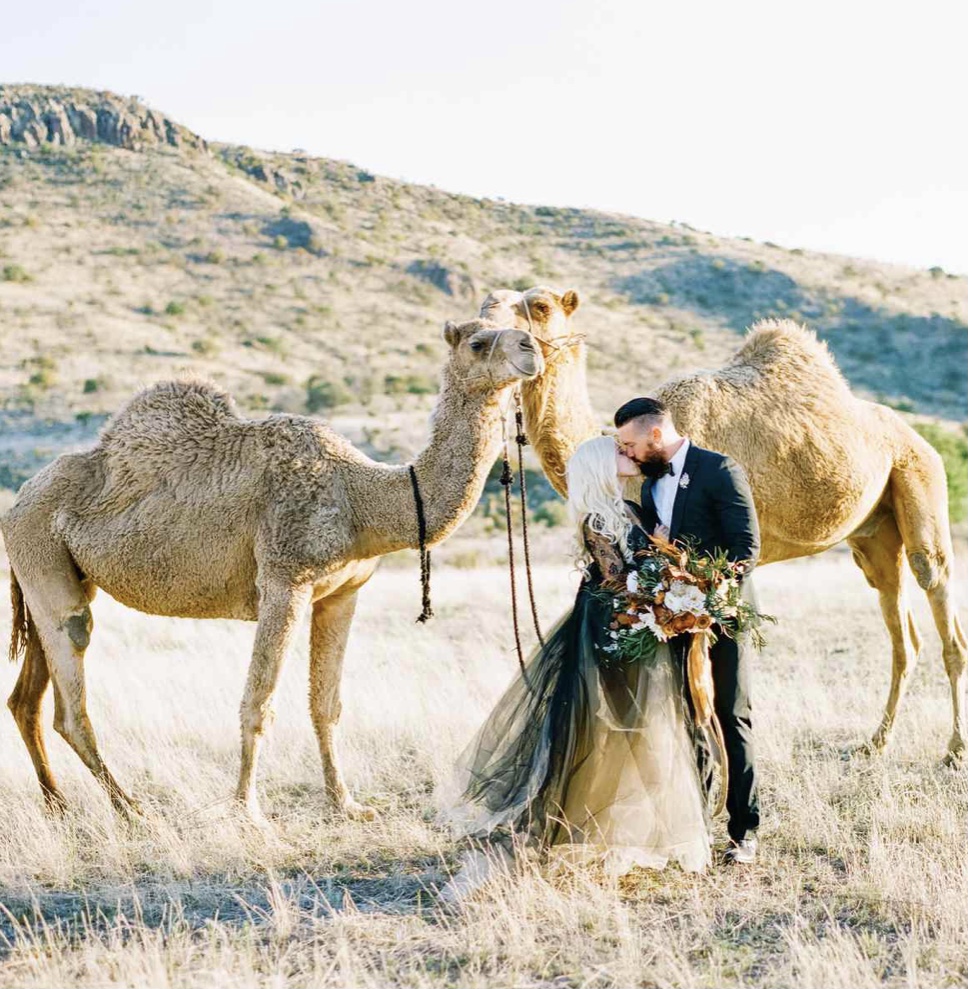
You’ve heard of the chicken dance, but in the West African country of Niger, the camel dance is done at the reception in the desert by a real camel. The humpback animal gets his groove on to a rhythmic drumbeat, all while surrounded by wedding guests.
Philippines: Lovey-Dovey
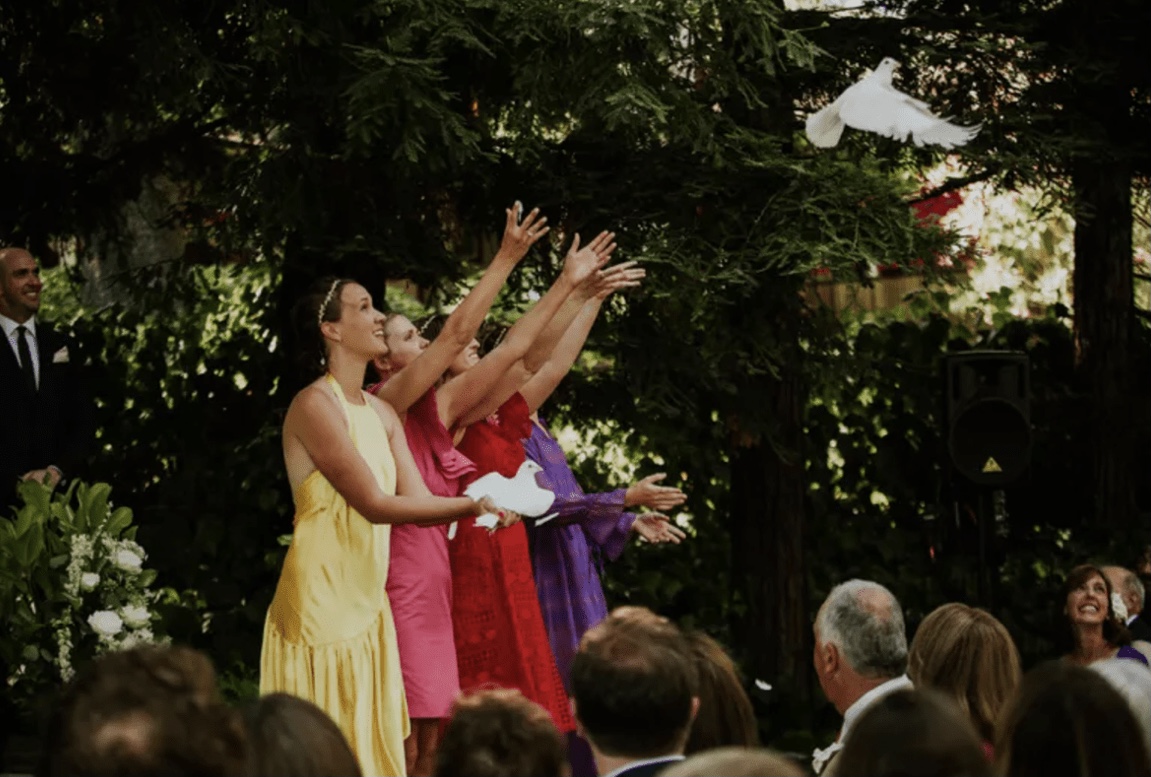
After tying the knot, happy couples in the Philippines release white dove, one male, one female, into the air. The birds are said to represent a harmonious life together for the newly married couple.
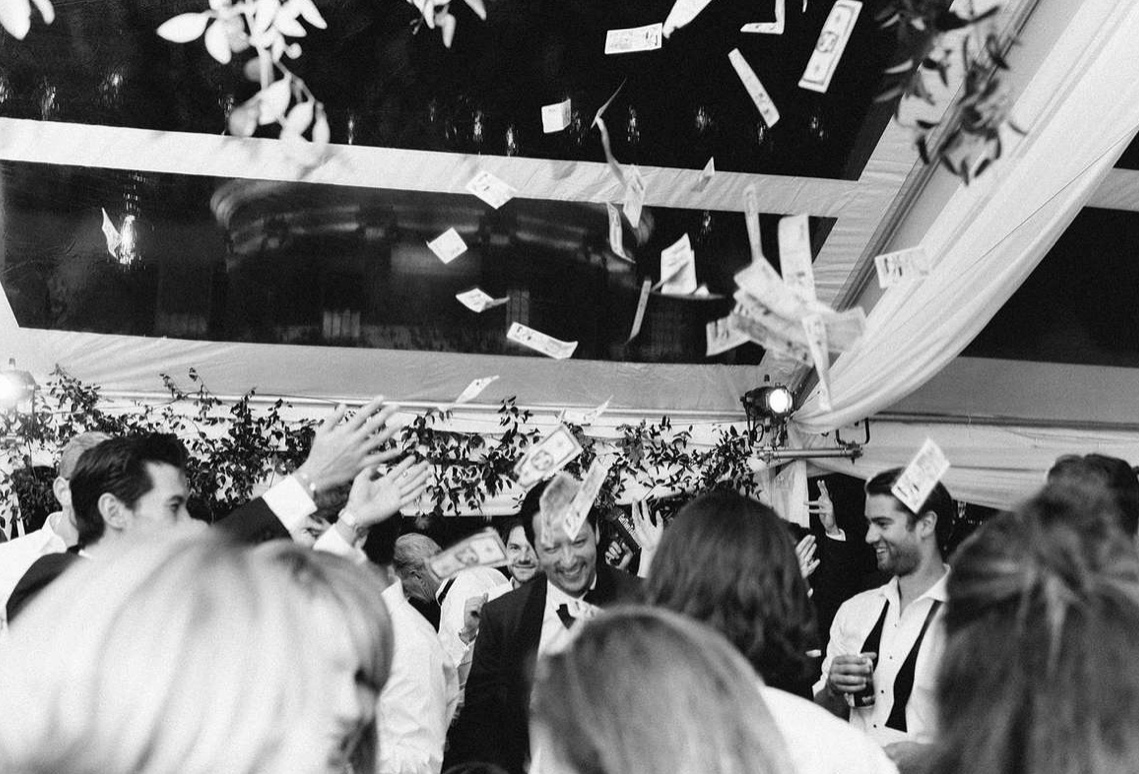
Cuba: The Money Dance
It’s a Cuban custom that every man who dances with the bride must pin money to her dress to help the couple pay for their honeymoon. You can bank on it!
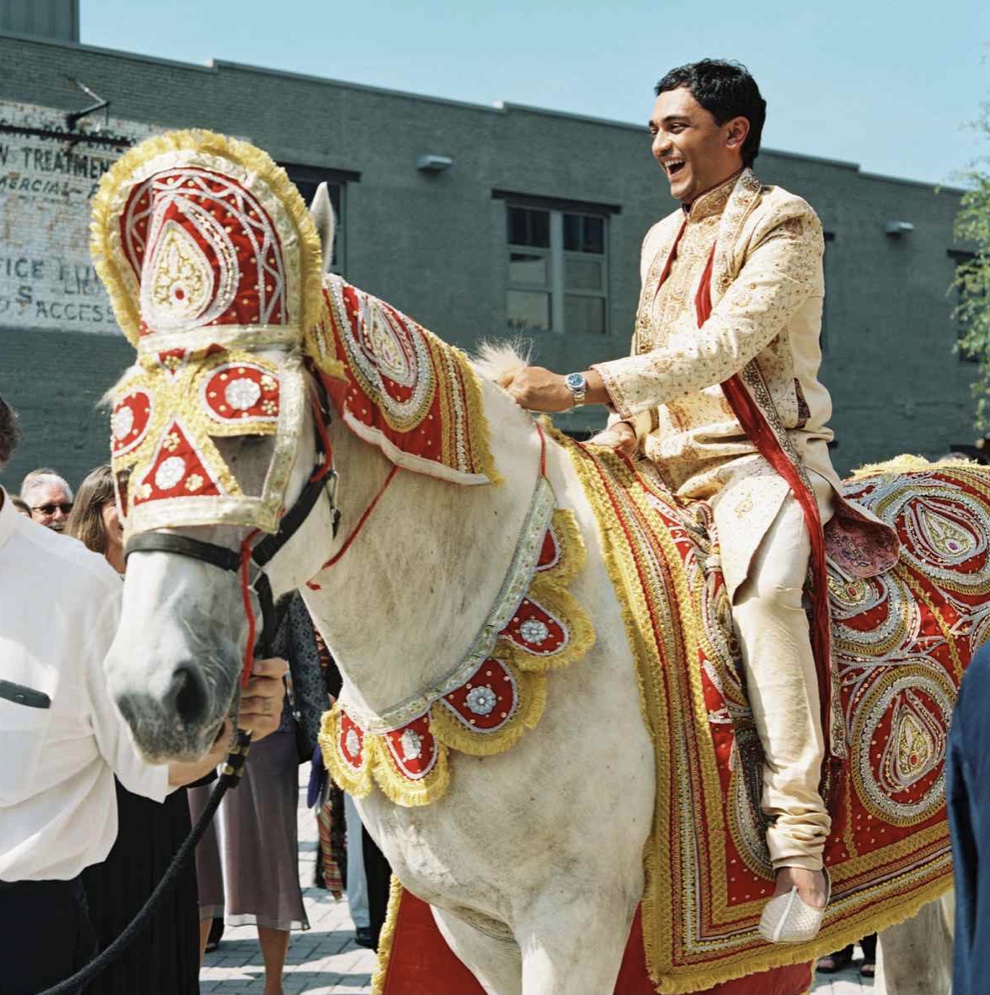
India: The Art Of The Steal
On the day of the wedding, in a ritual called “Joota Chupai,” an Indian bride’s mischievous sisters and female cousins make off with the groom’s shoes and demand ransom money for their safe return.
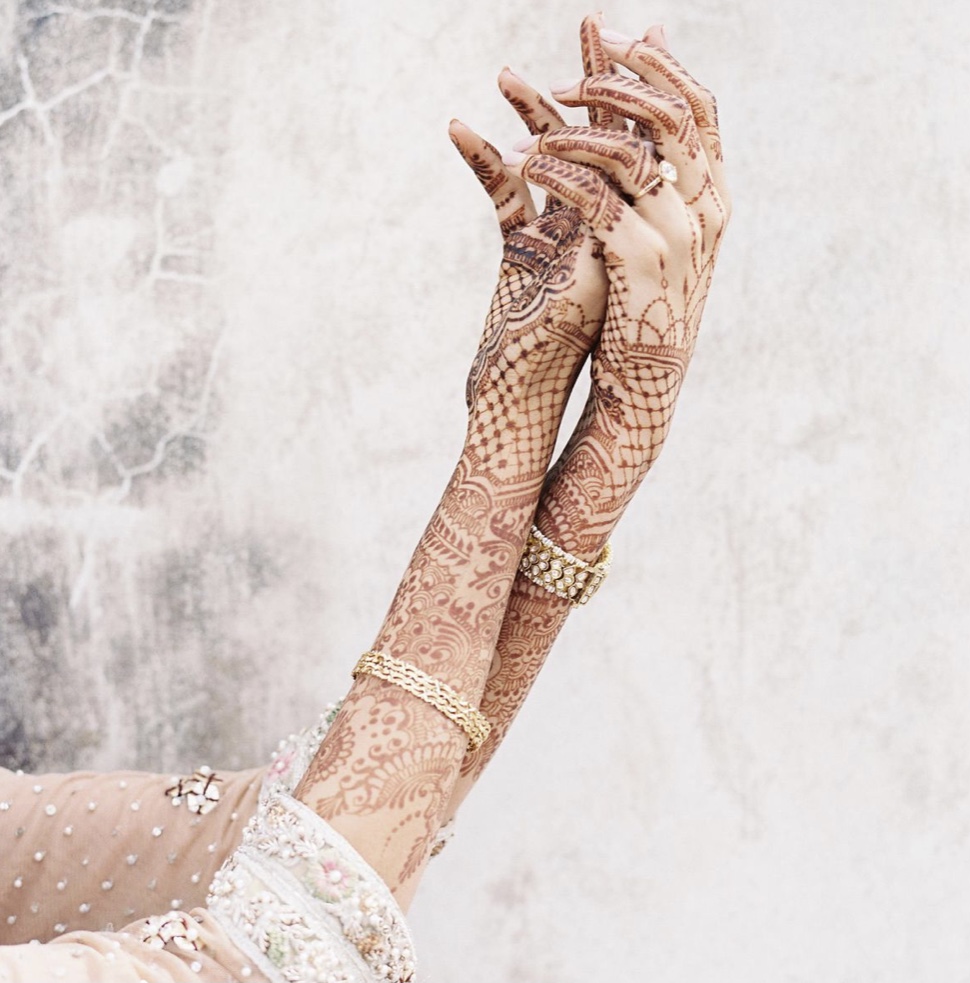
India: Jewelry Not Required
Days before the wedding, it’s common for Indian women to gather their closest girlfriends and female family members to sit and have their skin intricately painted, in tattoo fashion, with “mehndi”, a type of paint made from henna. The elaborate and beautiful skin art that takes several long hours to apply lasts for about two weeks.
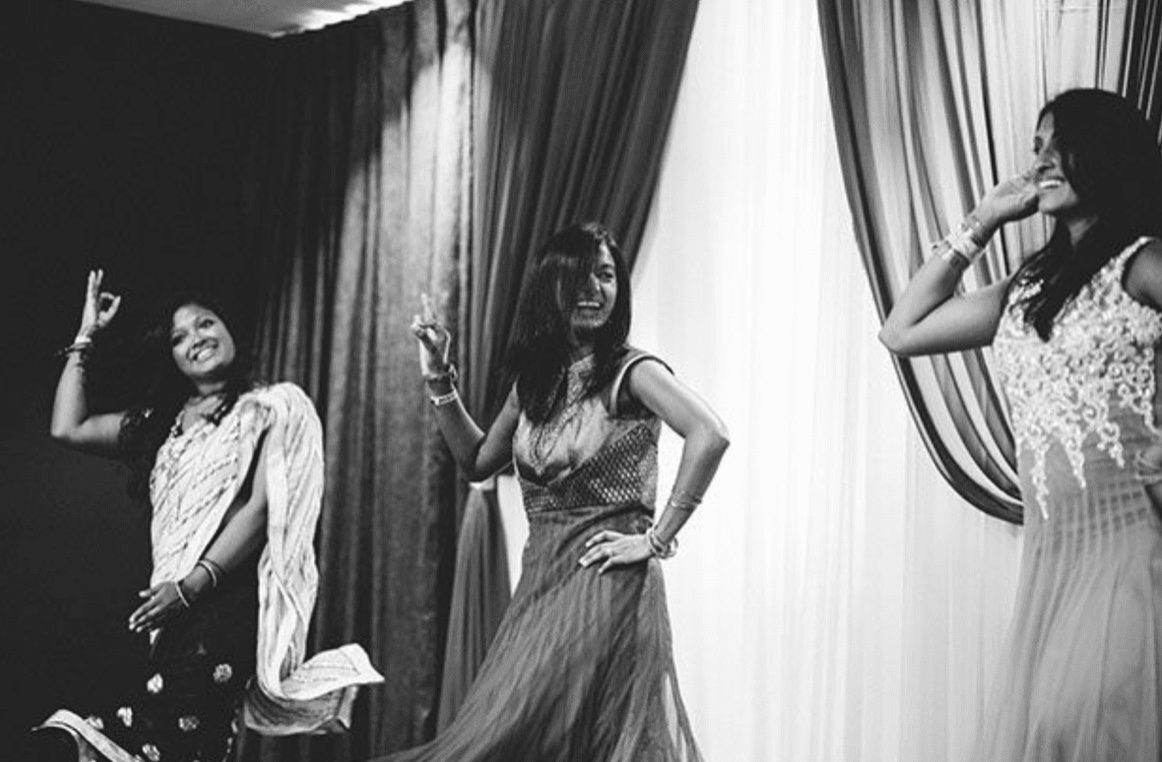
India: Dance Competition
Prior to the wedding, there’s a gathering called the “sangeet”, where family comes together to sing, and dance. Each side of the family sings a traditional folk song to welcome the other, and family members often even give full-blown performances in celebration.
India: Branching Out
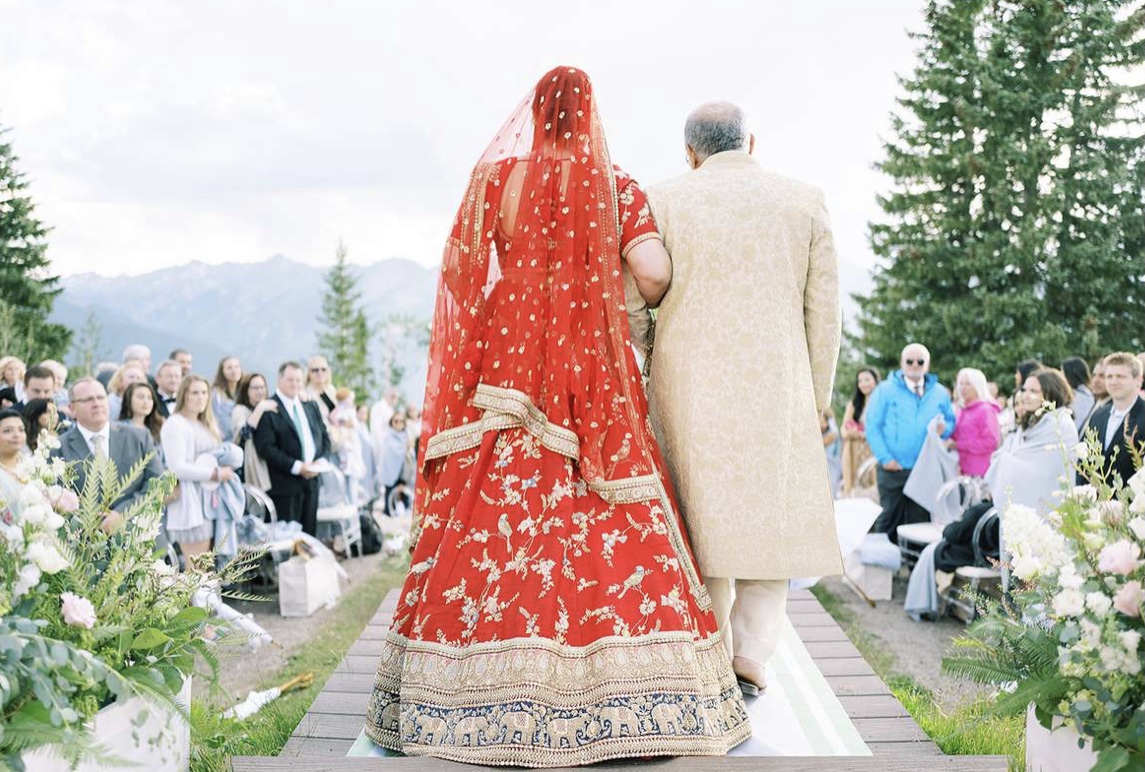
If you’re a Hindu woman born during the astrological period when Mars and Saturn are both under the seventh house, you’re cursed; according to custom, if you marry, be prepared for early widowhood. Fortunately, there’s a remedy! Marry a tree first, then have it cut down to break the evil spell and spare your groom.
India: Welcome to the Family
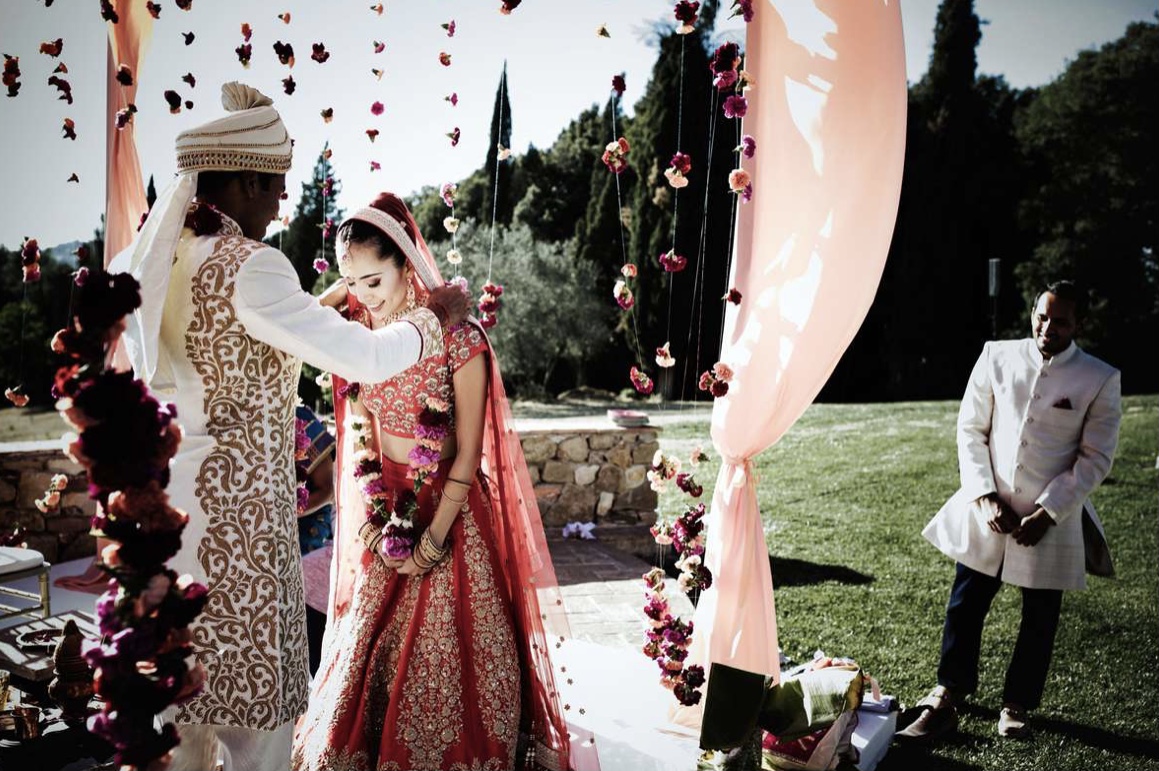
The “jai mala” is a garland of flowers exchanged between the newlyweds. The ritual ends with each half of the couple wearing one. The jai mala symbolizes the partners welcoming each other into their families.
India: Tying the Knot
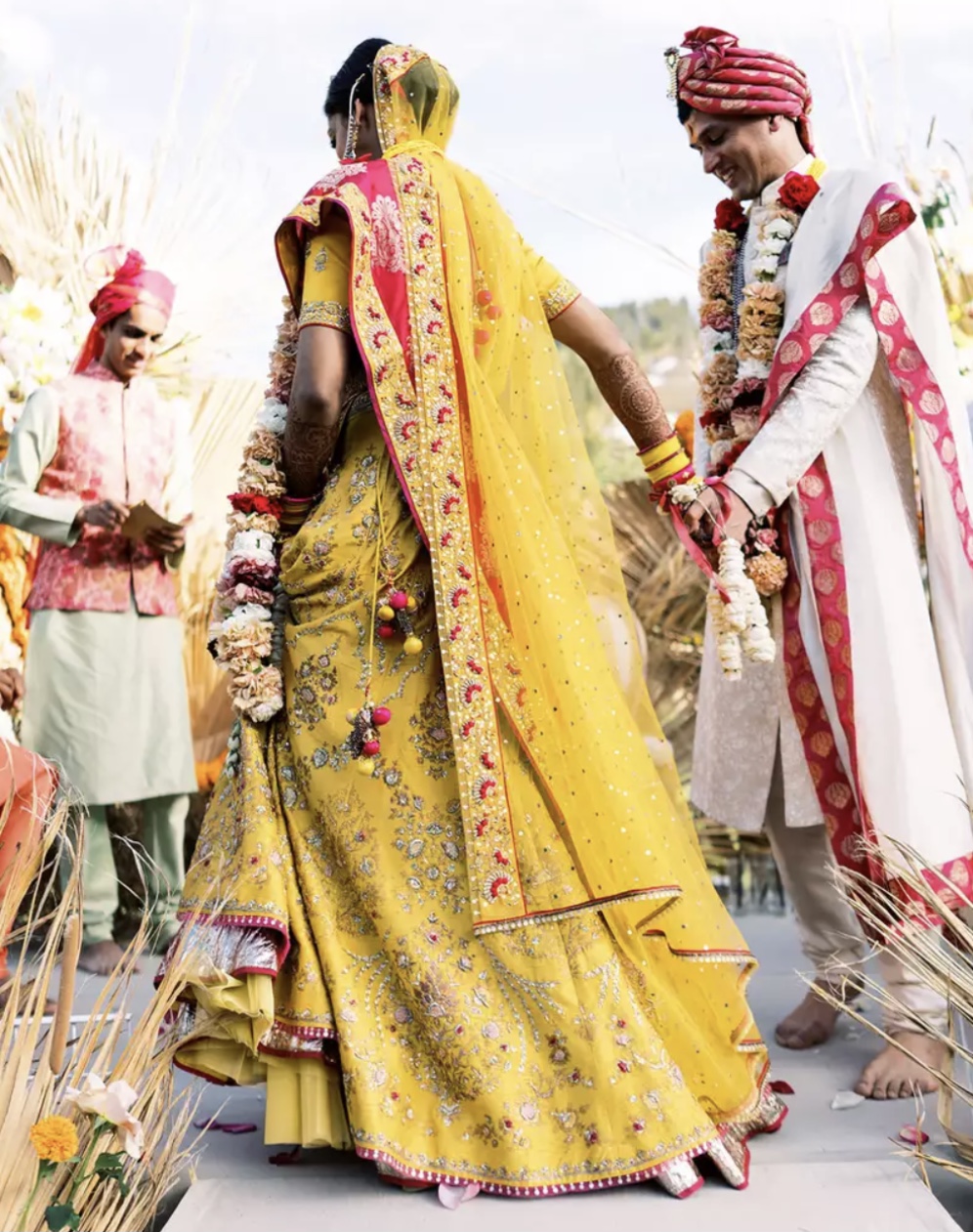
The “saptapadi” is an important ritual in Hindu weddings. During the saptapadi, the newlyweds have their garments tied together…usually its the bride’s veil and the groom’s sash. The couple will then either walks seven steps or make seven circles together around a ceremonial fire, signifying blessings from the gods and establishing their friendship, which is the basis of a Hindu marriage.
Turkey: Flag Day
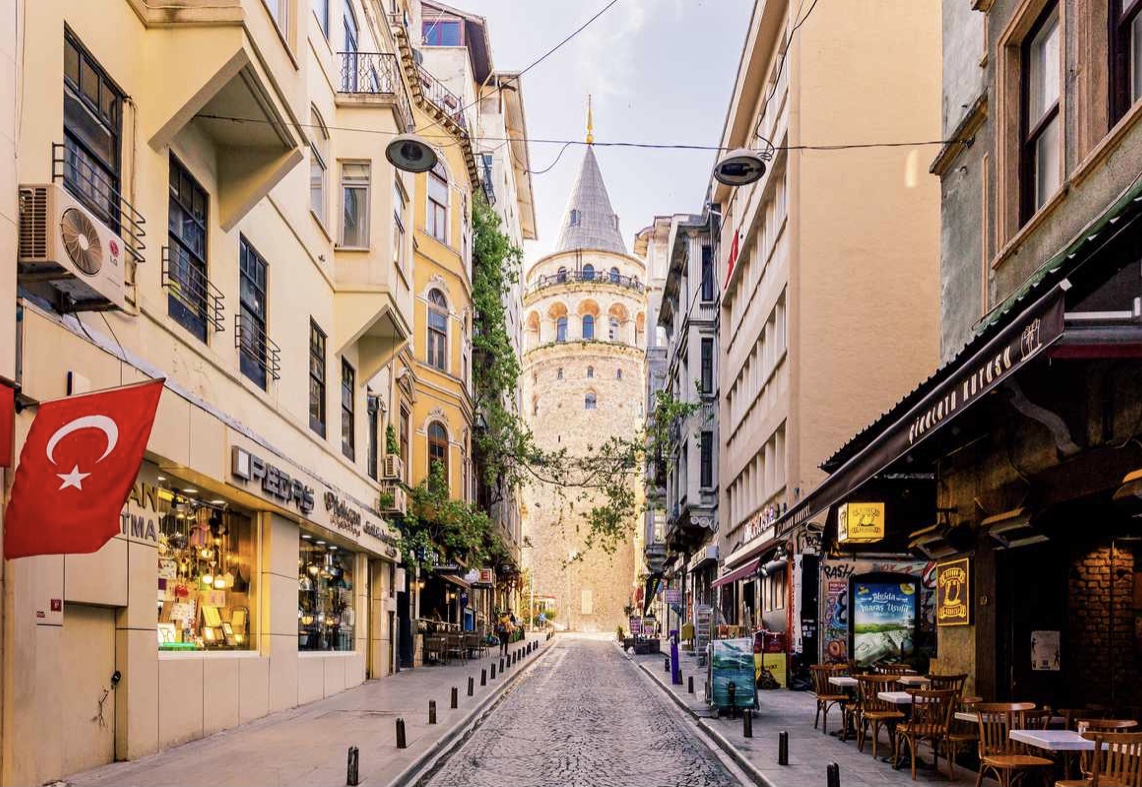
Friends of the groom plant the Turkish flag, which features a red crescent and star, in the ground at his home on the day he is to wed. Depending on the area, objects like fruit, vegetables, and even mirrors are placed on top, signifying that the wedding ceremony has begun.
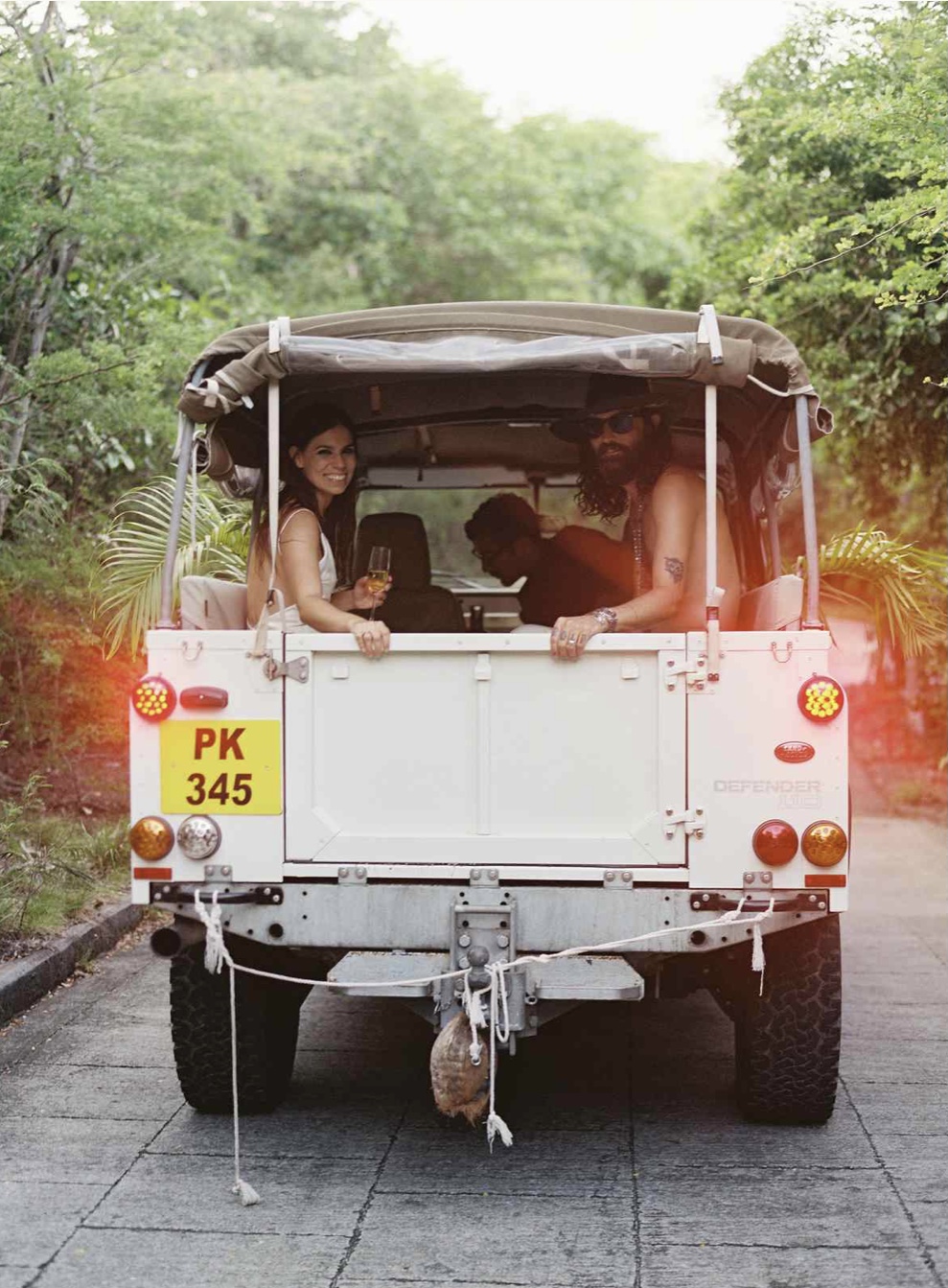
Venezuela: The Couple Goes MIA
Don’t wait until the reception’s over to chat up a Venezuelan couple. It is likely that they will be long gone. It’s good luck for the newlyweds to sneak away before the party has come to an end without getting caught; it’s also good luck for whichever guest catches on that they’re gone.
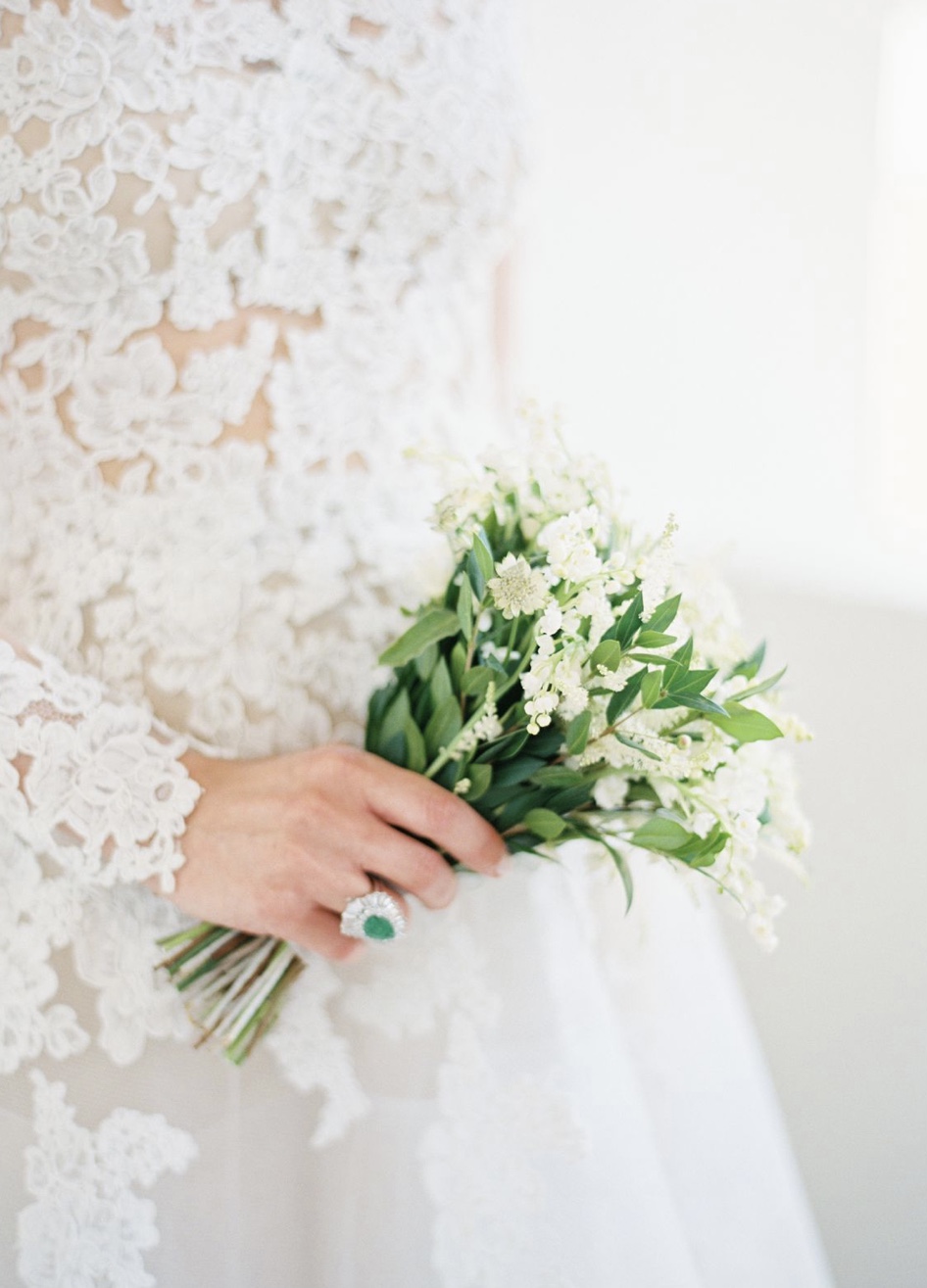
Wales: When Love Blooms
Welsh brides don’t just think of themselves on their wedding day, but also their bridal party. The bridal bouquet always includes myrtle, an herb that symbolizes love. The bride then gives a cutting to each of her bridesmaids. The theory goes that if a bridesmaid plants the myrtle cutting and it blooms, she’ll be the next bride.
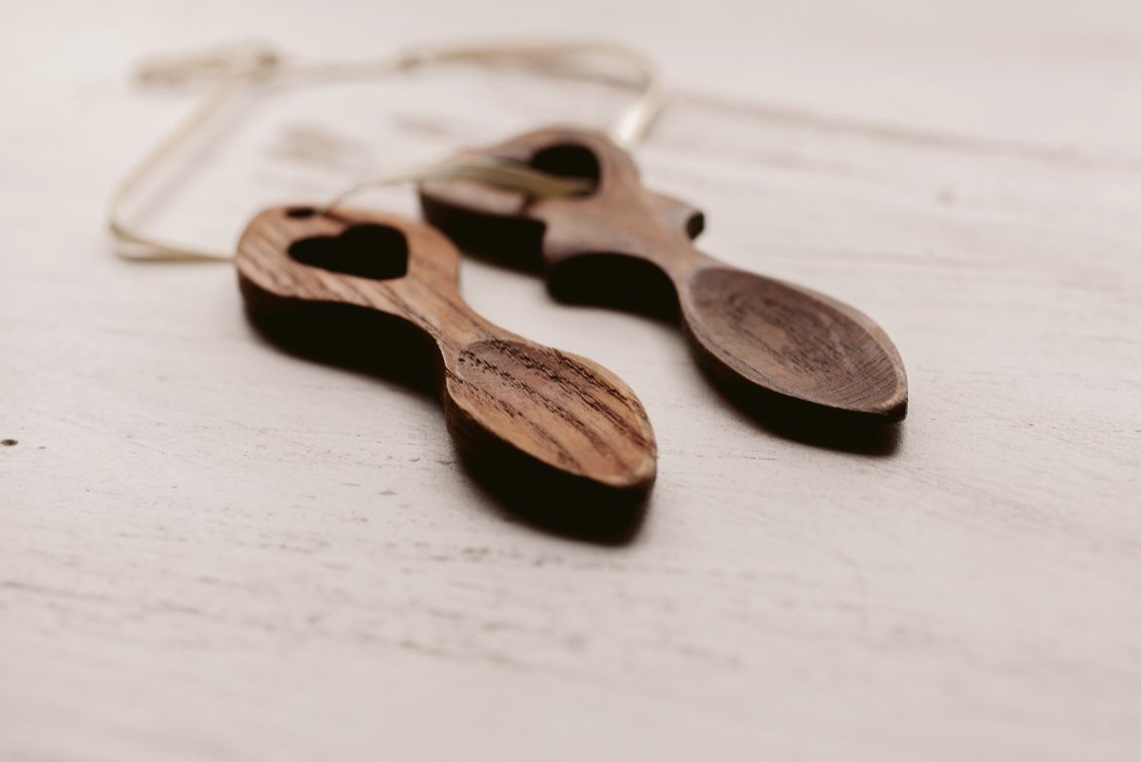
Wales: More Affordable Than a Diamond
Back in the day, when a Welshman fell in love and was ready to commit, he carved spoons from wood, called “lovespoons,” and gave them to his beloved. Decorations included keys, signifying the key to his heart, and beads, symbolizing the number of children he was hoping for.

Mongolia: No Chickening Out
A Mongolian couple hoping to set a wedding date must first kill a baby chicken and cut it apart, holding the knife together, to find a healthy liver. They keep at it until they’re successful.
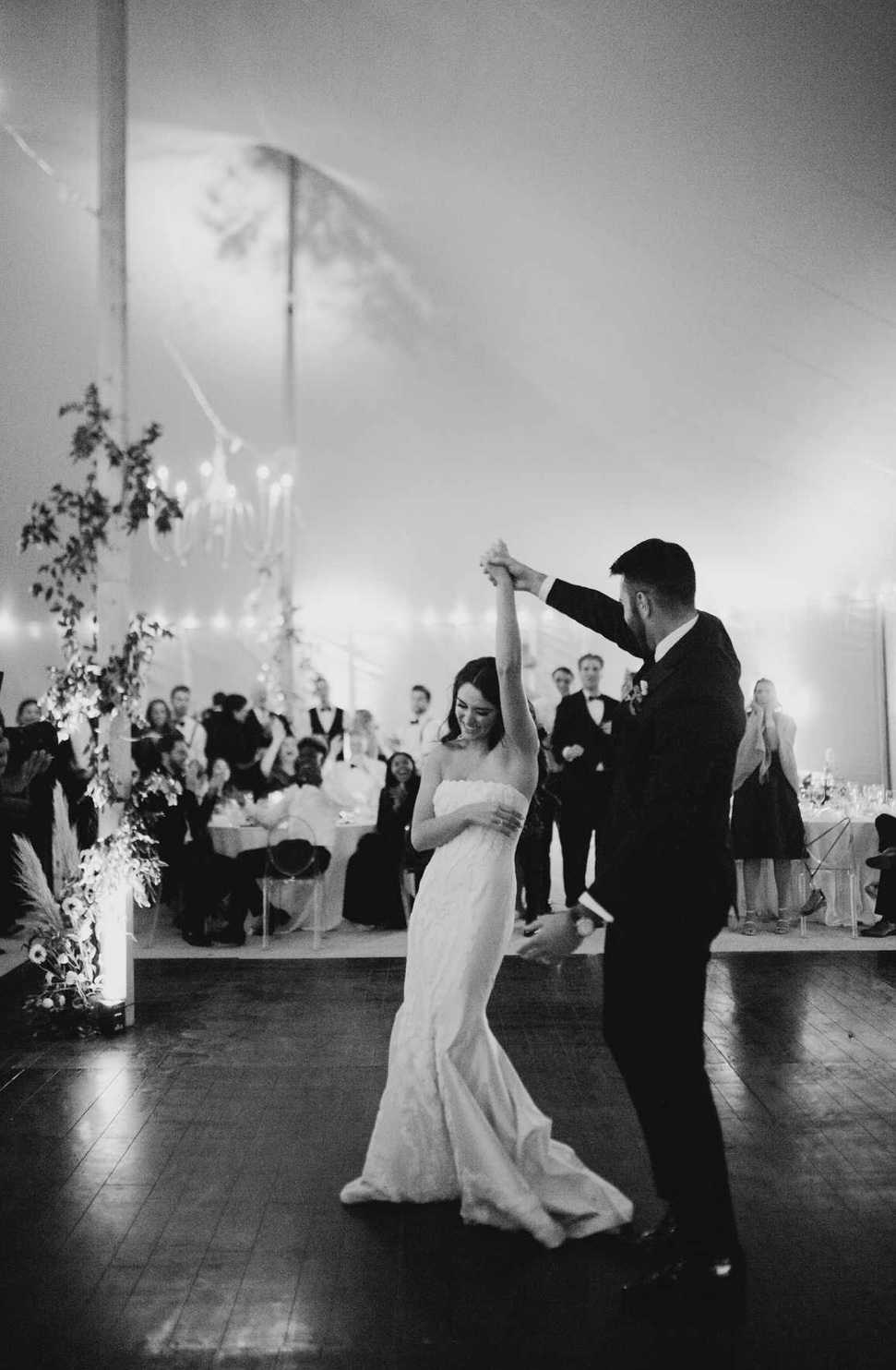
Ireland: Stay Grounded
In Ireland, when the bride and groom are dancing, the bride must keep at least one foot on the floor at all times. Irish folklore states that if she doesn’t, evil fairies will come and sweep her away. This might make dancing slightly difficult but certainly more fun!
French Polynesia: Stepping Stones
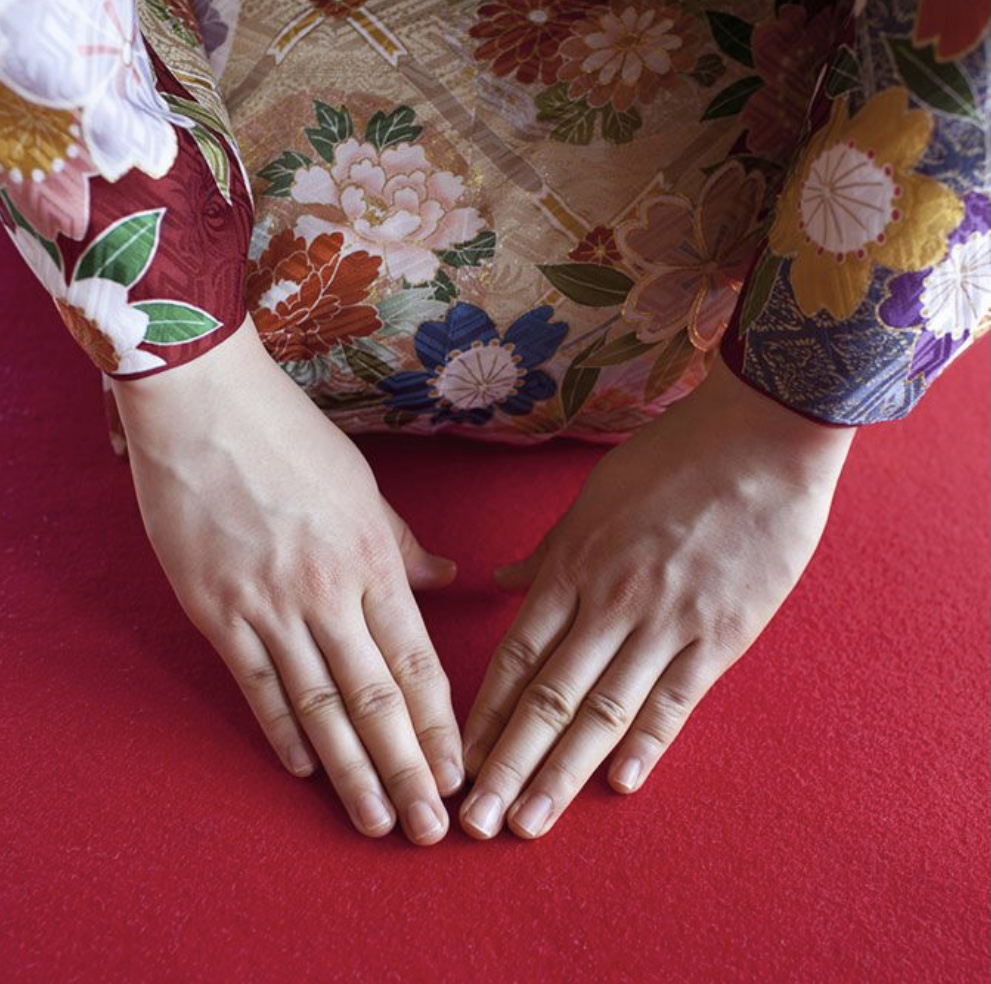
On the Marquesas Islands of French Polynesia, once the wedding has come to an end, the relatives of the bride lay side-by-side, face down on the ground, while the bride and groom walk over them like a human carpet.
Peru: Calling All Single Ladies
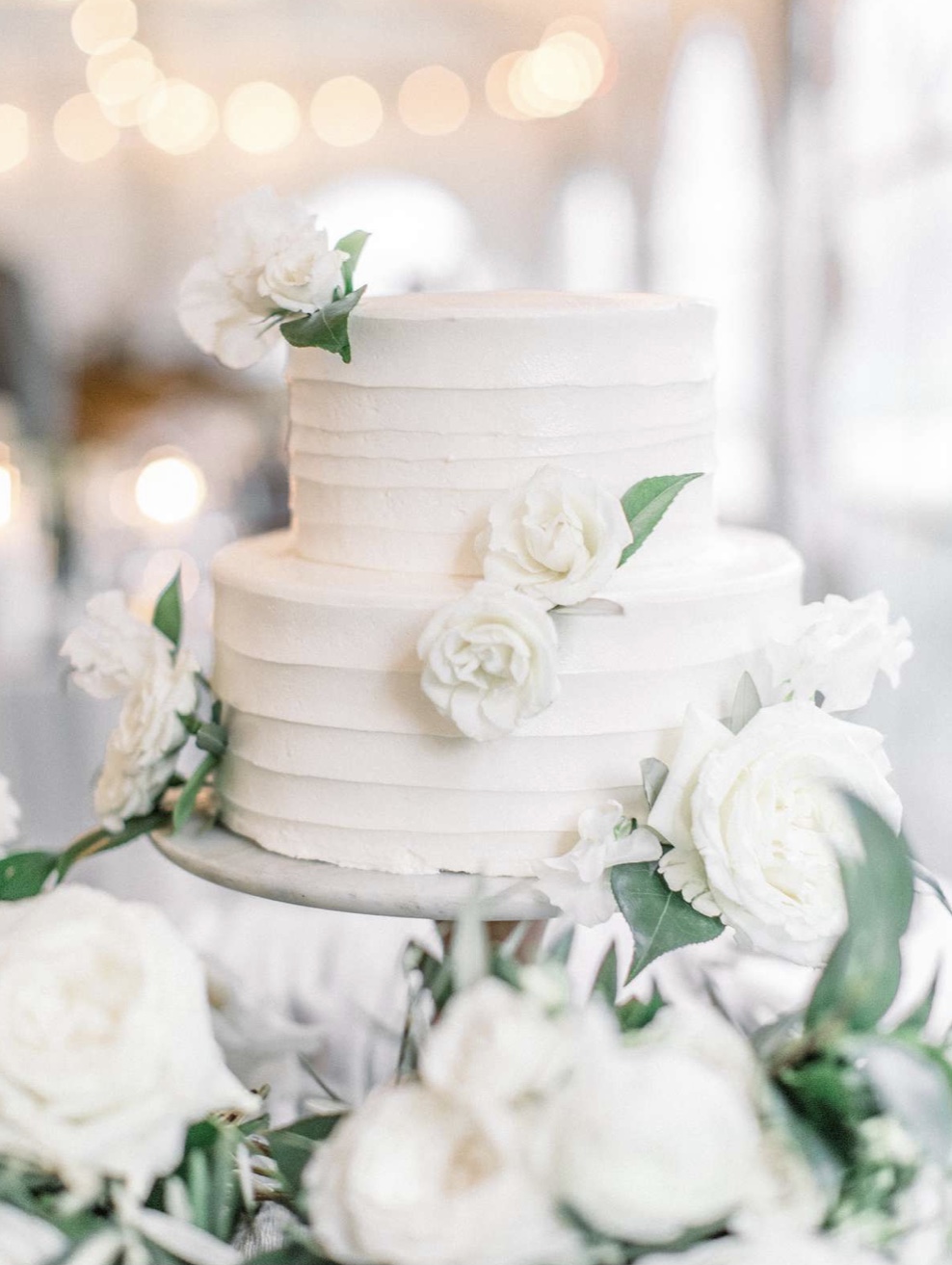
Peruvian weddings are typically assembled with ribbons attached to charms called “cake pulls.” One of these cake pulls is a fake wedding ring. During the reception, all the single women in attendance participate in the cake pull. Each participant grabs a ribbon, and the single lady who pulls out the fake wedding ring will be the next to get married.
Romania: Bride-Napping
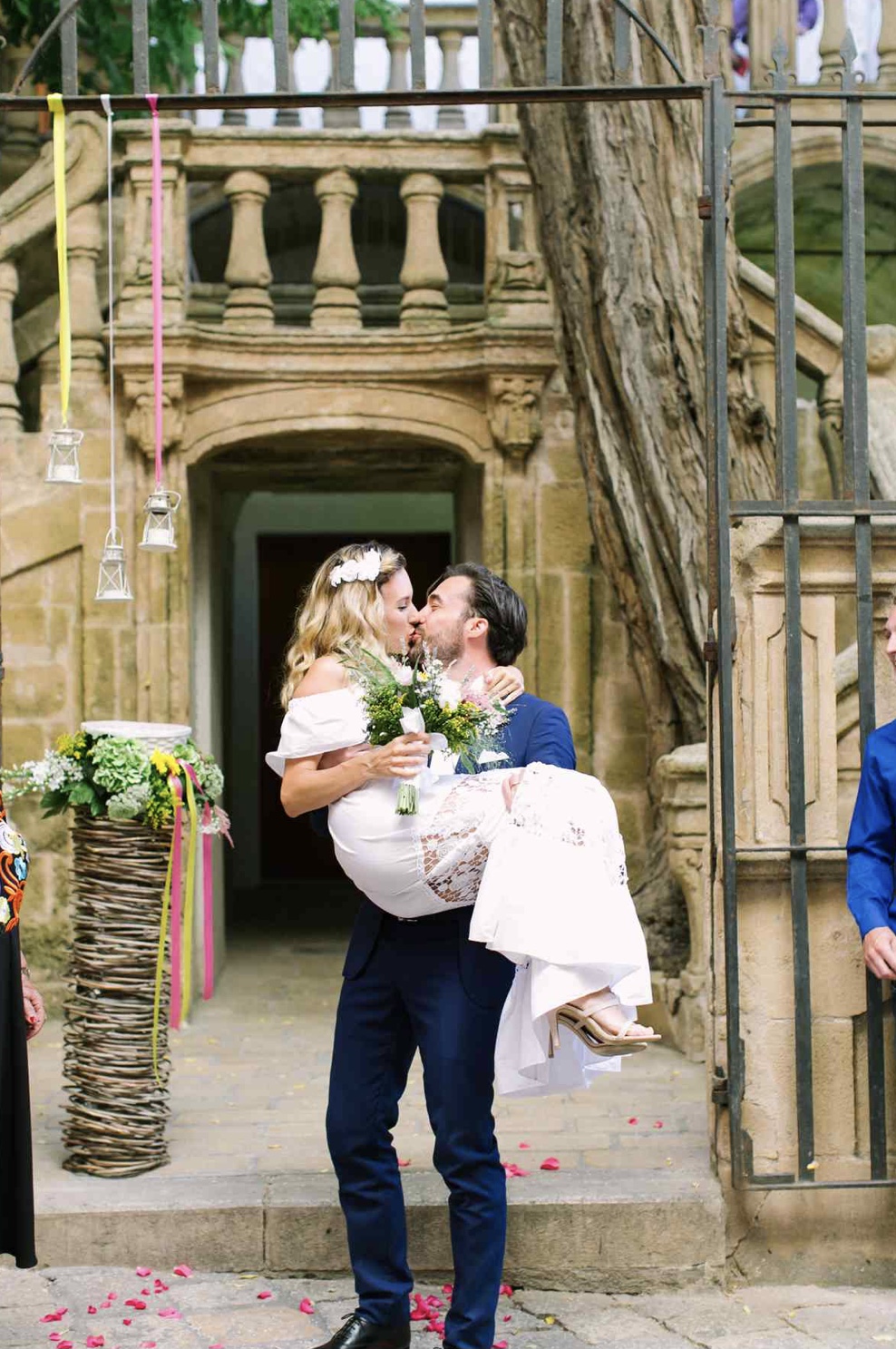
In Romania, before the wedding, guests work together to playfully “abduct” the bride, whisking her away to an undisclosed location and demanding a “ransom” from the groom. They usually request a few bottles of alcohol, but for those looking to really make the groom sweat, they request him to sing a love song in front of the entire party.
Sweden: Hope You’re Not the Jealous Type
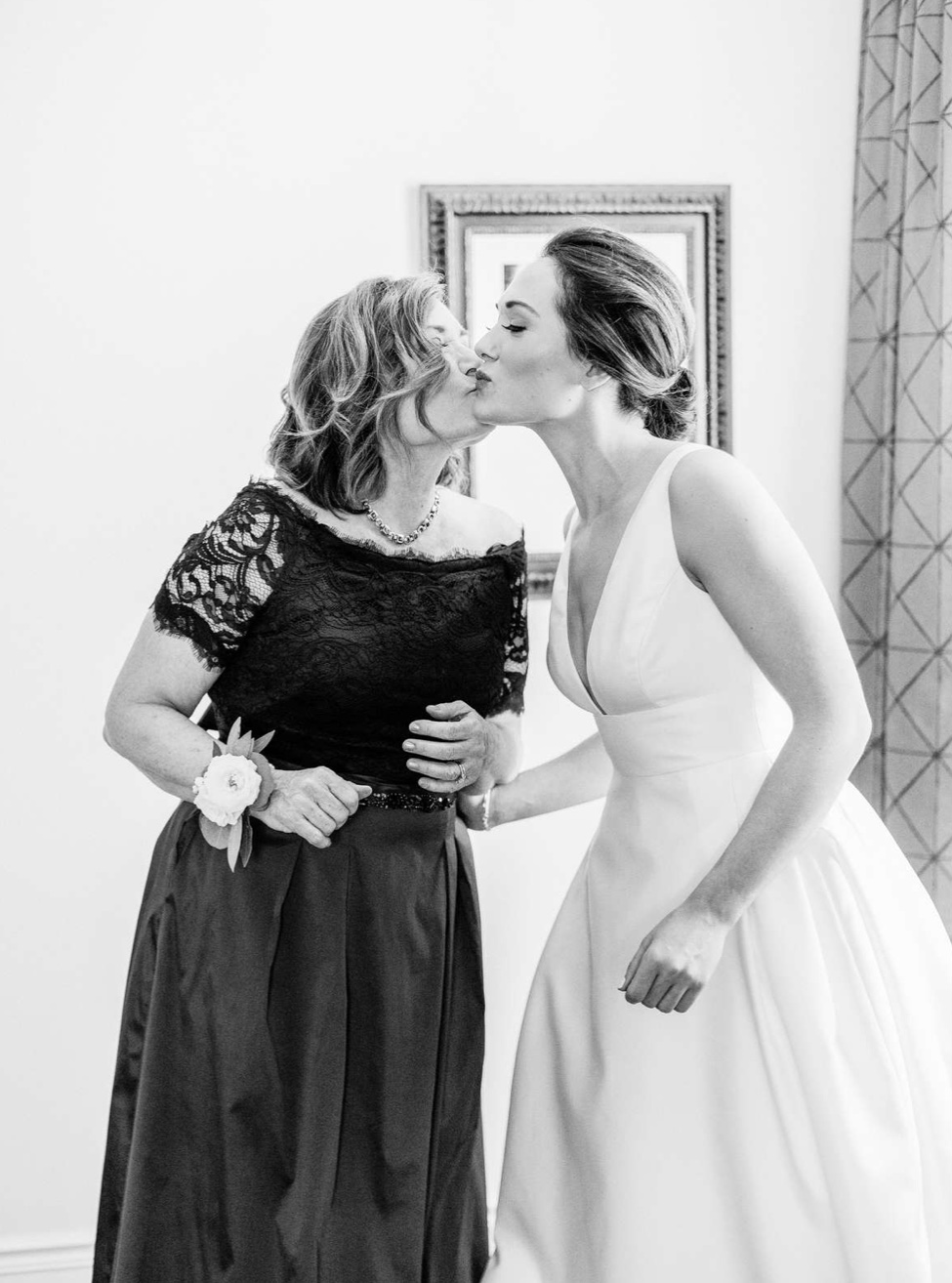
In Sweden, whenever the bride leaves the table, all the ladies at the reception are free to steal a kiss from the groom. And those equality-minded Swedes keep the tradition gender-neutral, so whenever the groom leaves the room, all surrounding gentlemen are free to plant a peck on the bride, too.
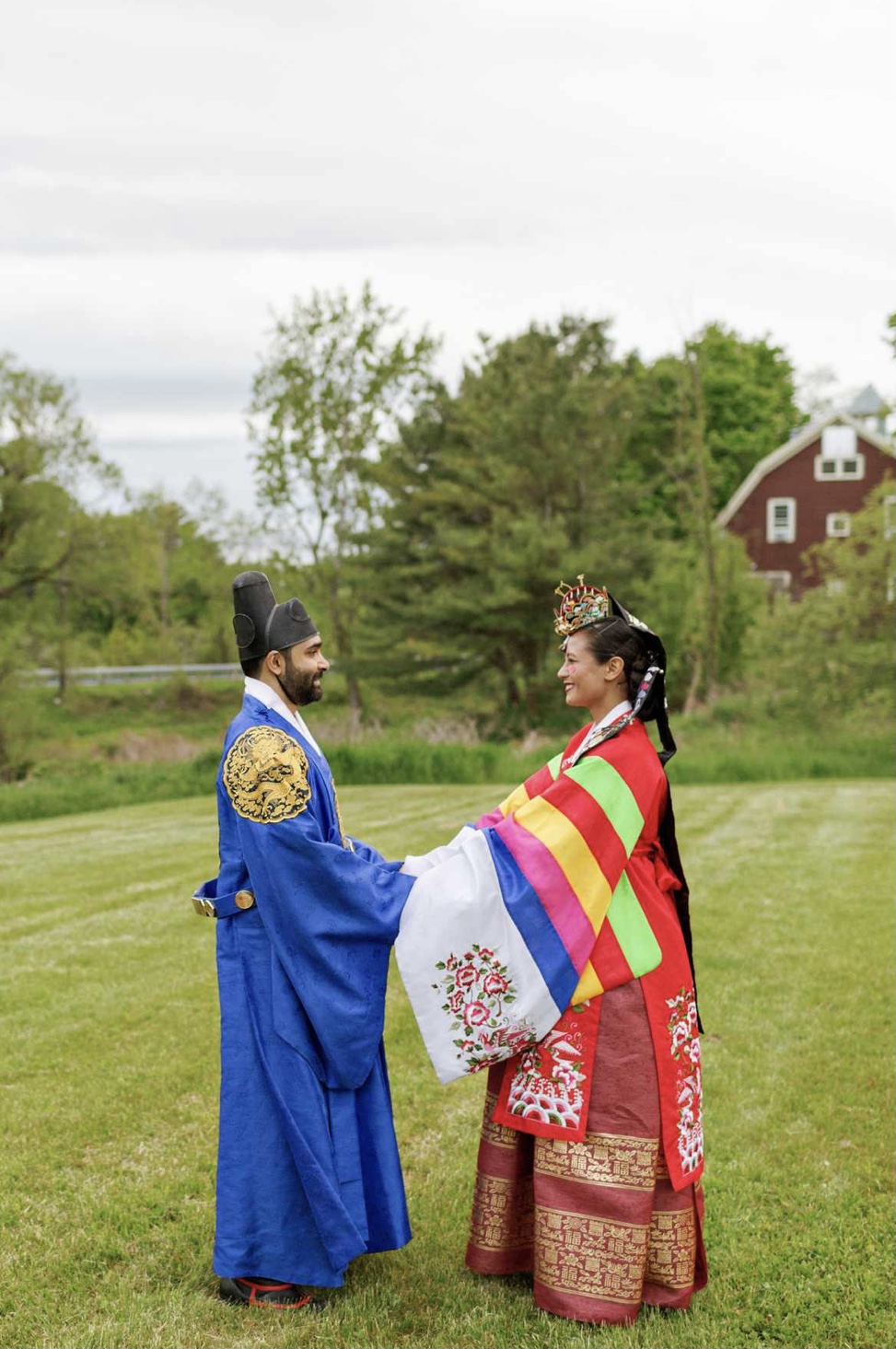
South Korea: Going in Feet First
As part of the “Falaka” ceremony in South Korea, the groom’s friends and family hold him down as they beat the bottoms of his feet with a stick or dried fish. In between beatings, he’s asked trivia questions, so the custom is said to help strengthen his memory and his feet.
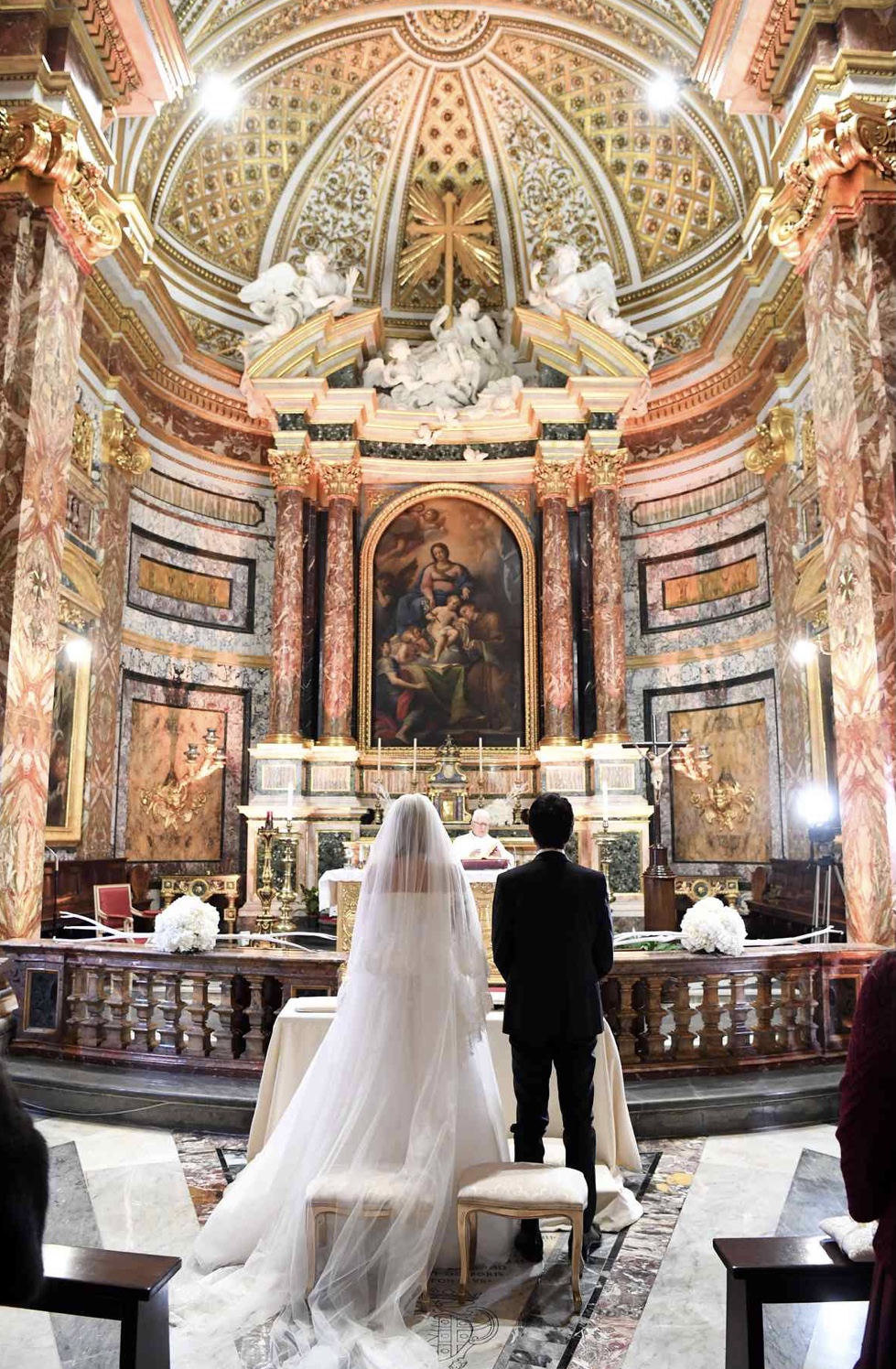
Italy: Sing It Like You Mean It
The night before the wedding, an Italian groom may traditionally throw a surprise party outside his bride-to-be’s window. “La serenata” begins with the groom, backed by musicians, serenading his fiancée. Then, it turns into a full-blown bash, complete with a lavish buffet and all the couple’s friends and family. Now THAT is a rehearsal dinner to remember!

Spain: Tie It Up
Often at Spanish weddings, the groom’s friends will take scissors and chop up his tie, then sell the pieces to guests to raise more money for the newlyweds. The same practice is sometimes applied to the bride’s garter, as well. Anything for a few extra bucks, I suppose!
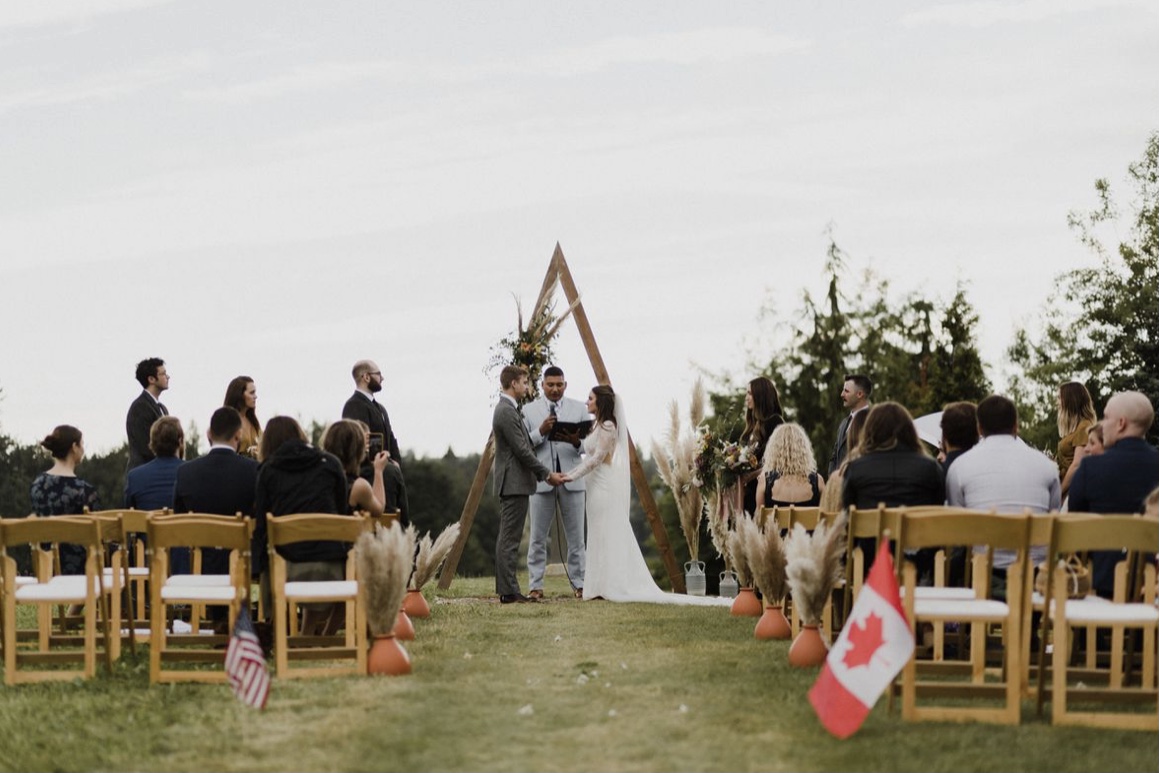
Canada: Sock It to Me
At French-Canadian ceremonies, the couple’s older, unmarried siblings traditionally perform a dance, all wearing wacky, brightly colored socks. As they dance, guests throw money at them which is then collected and presented to the newlyweds for their honeymoon.
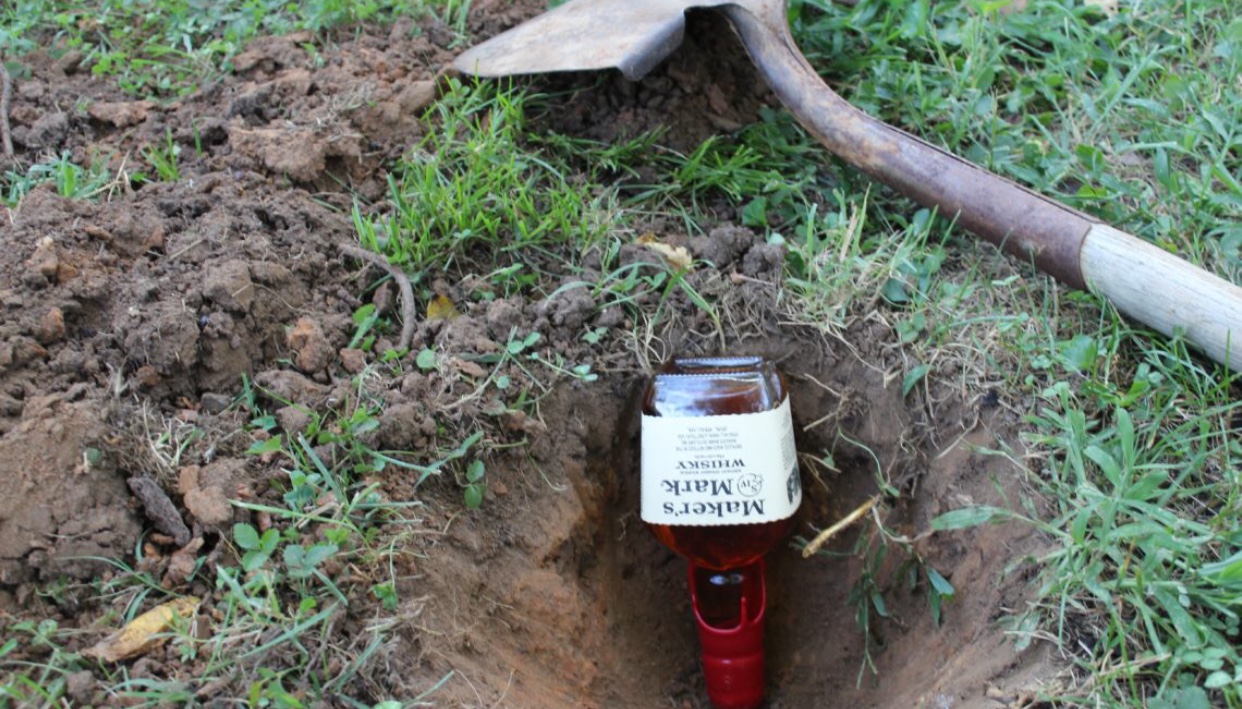
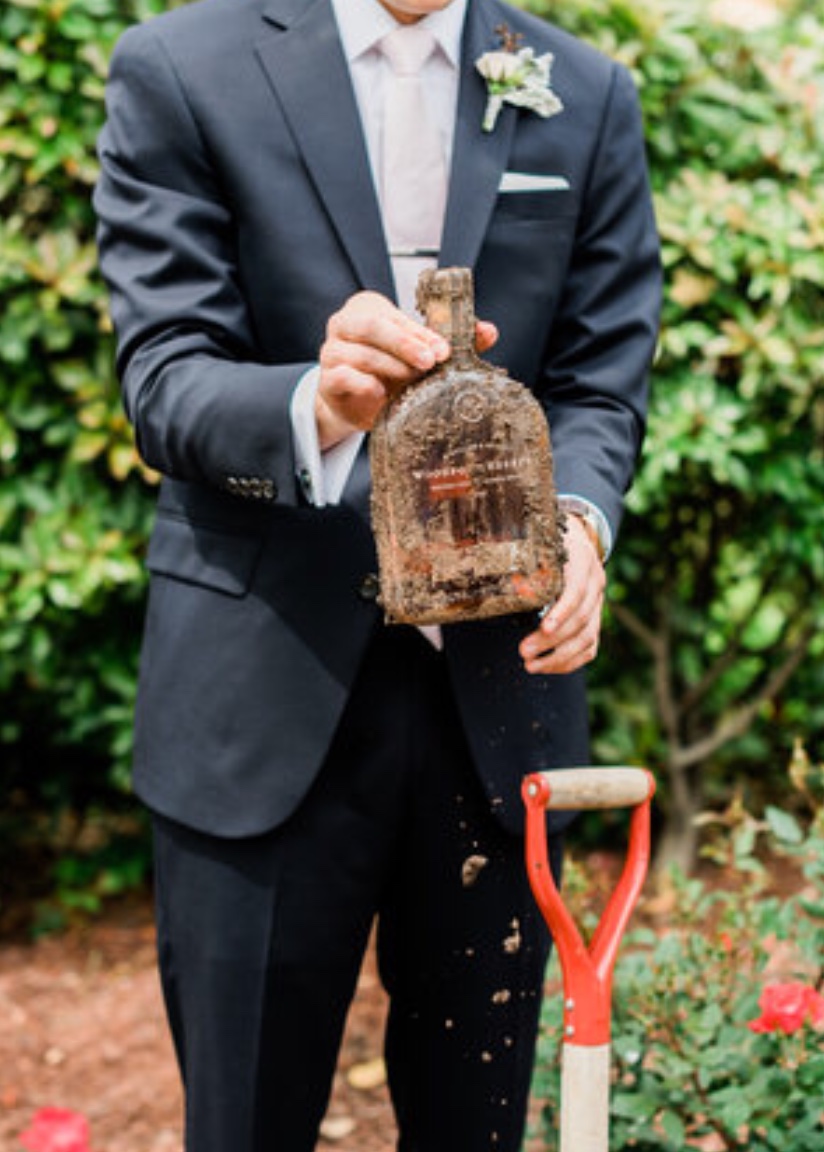
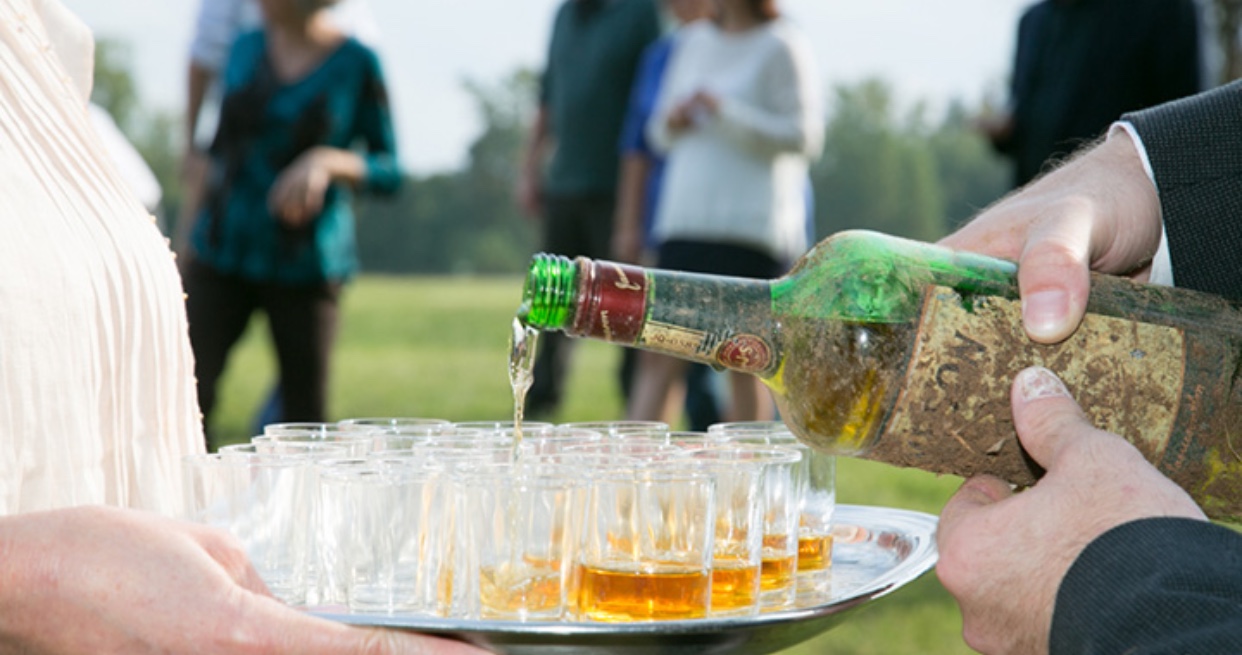
American South: Bury That Booze
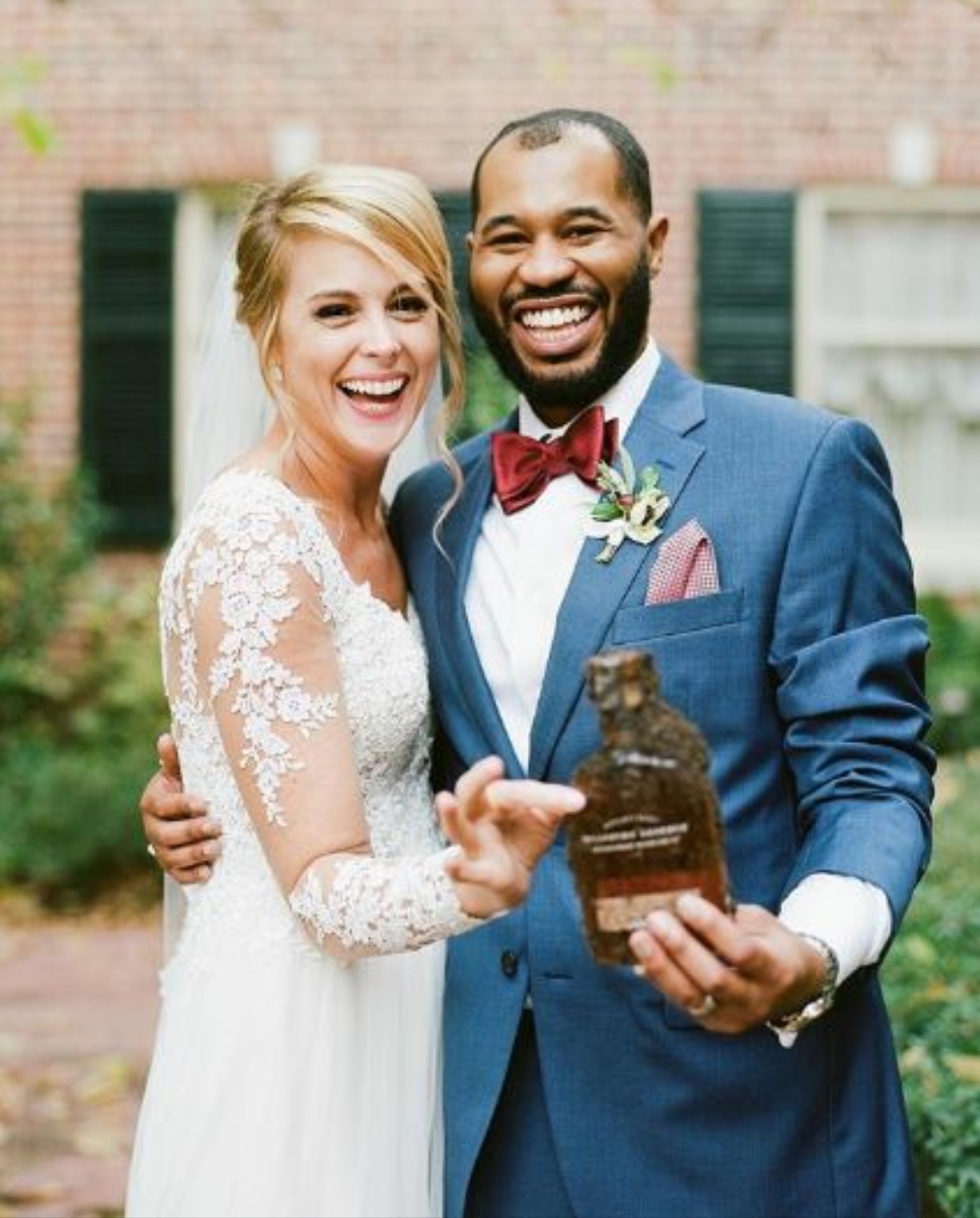
Burying the bourbon is a tradition that, if done correctly, is supposed to ward off rain the day of the wedding. Those who swear by this Southern myth insist that the couple must visit their venue exactly a month before their wedding date and bury a full bottle of bourbon upside down. It is then dug up following the ceremony and shared with the bridal party in celebration of blue skies.