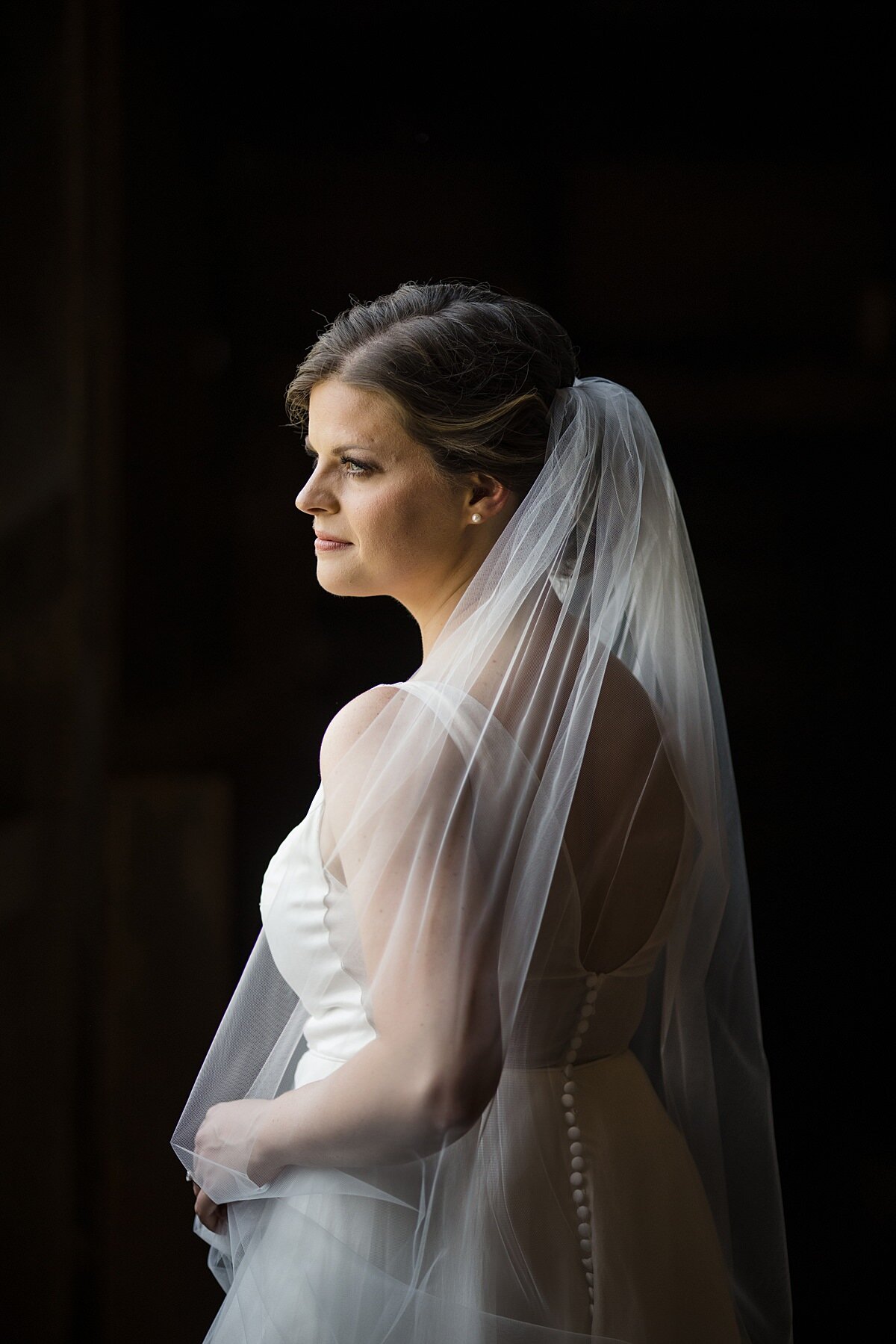
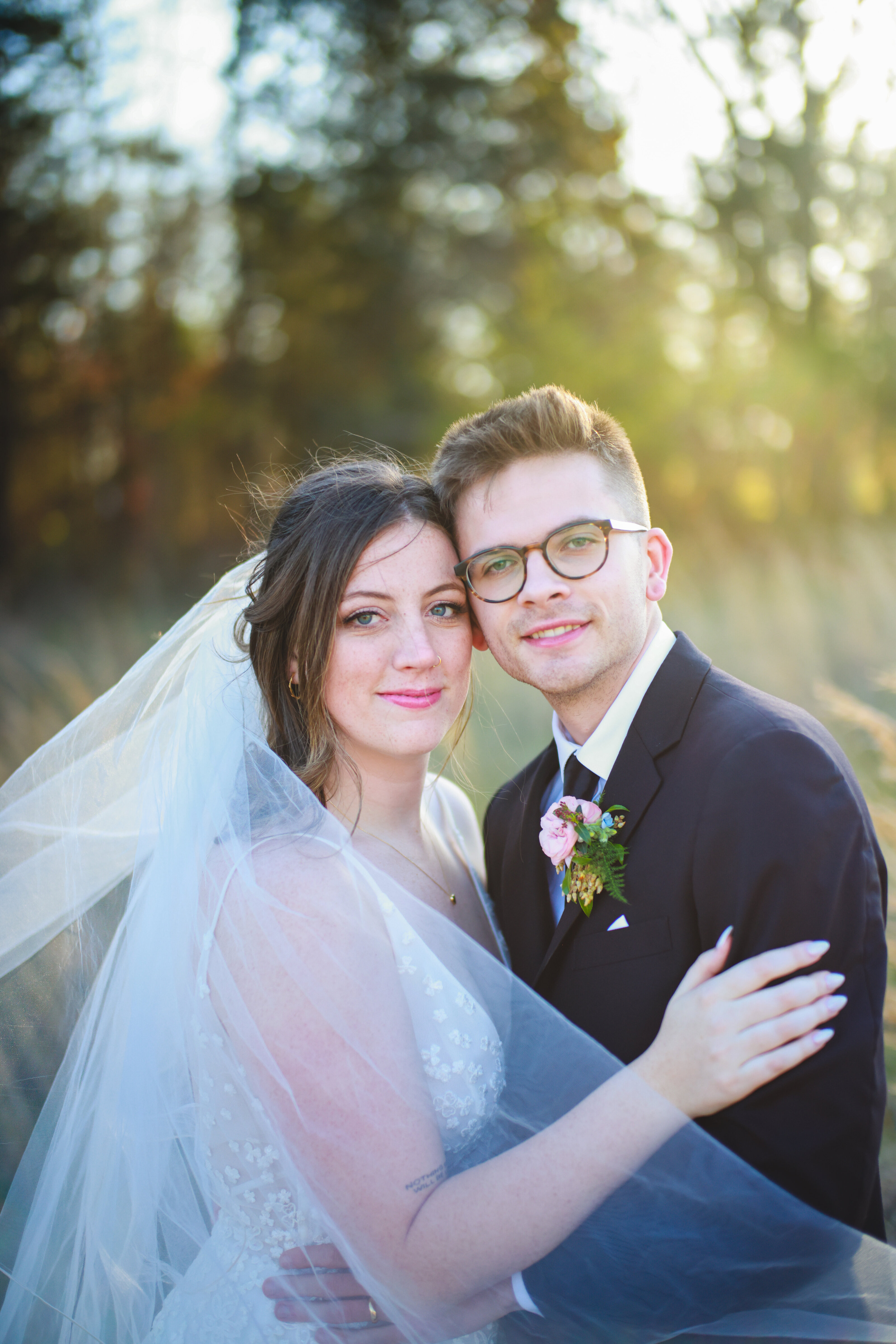
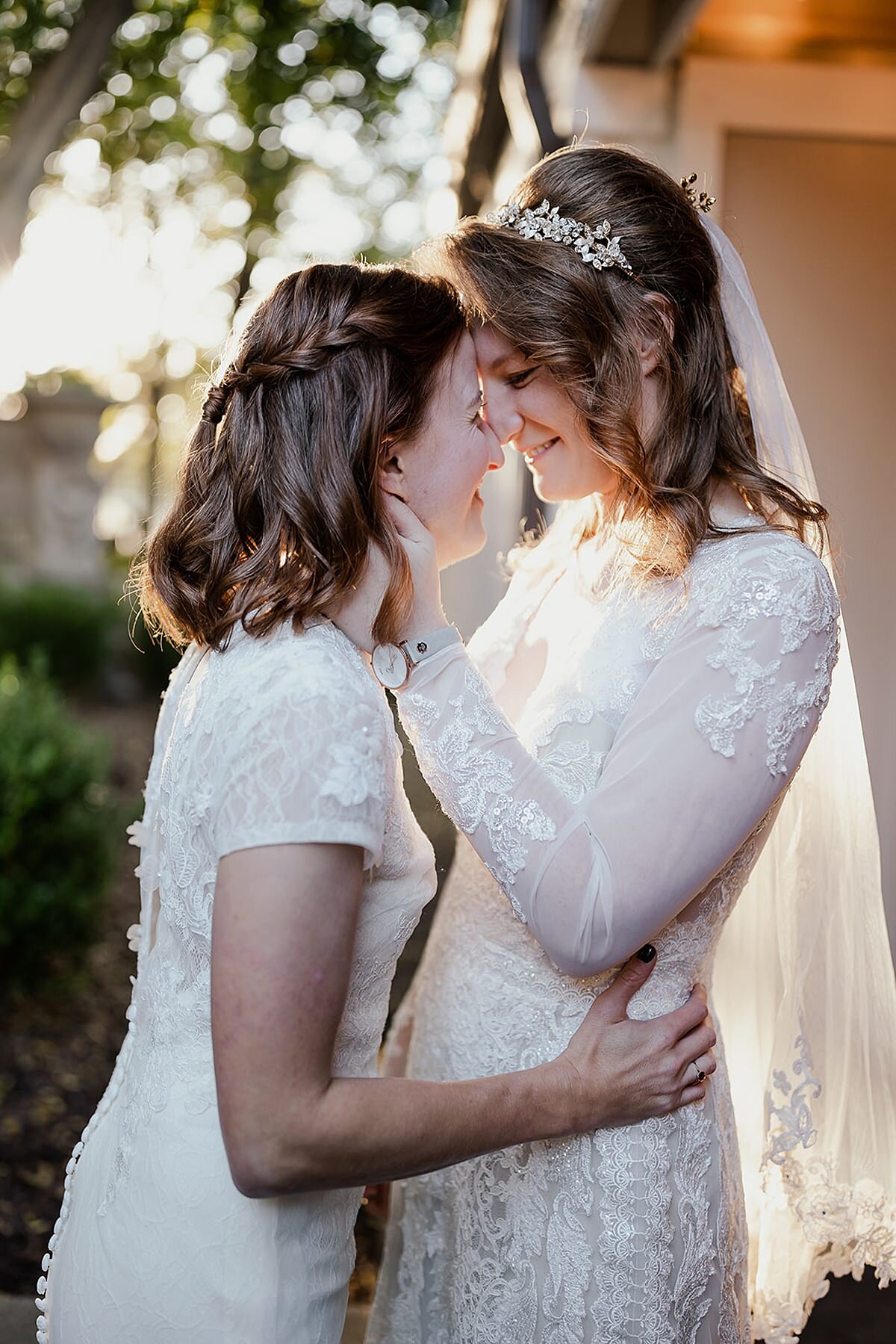
The bridal veil is like fairy dust….
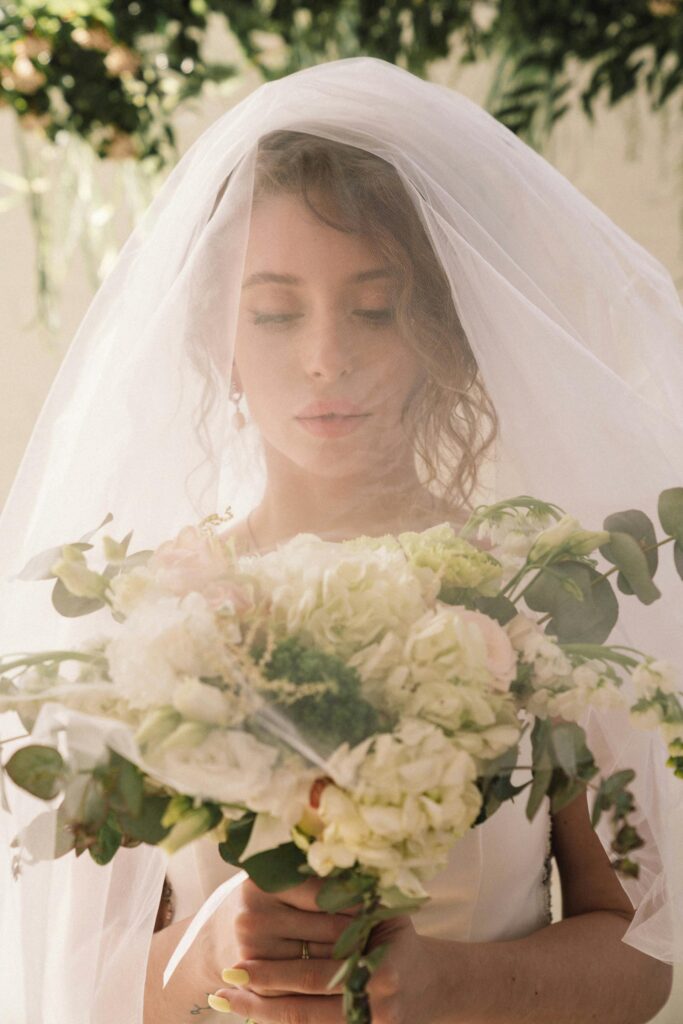
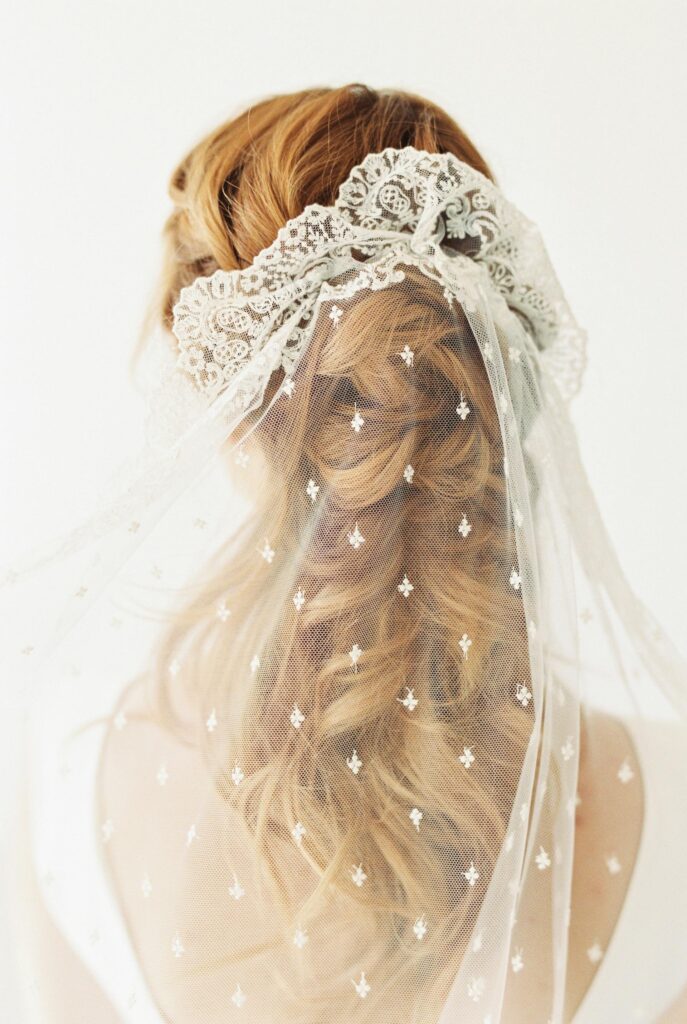
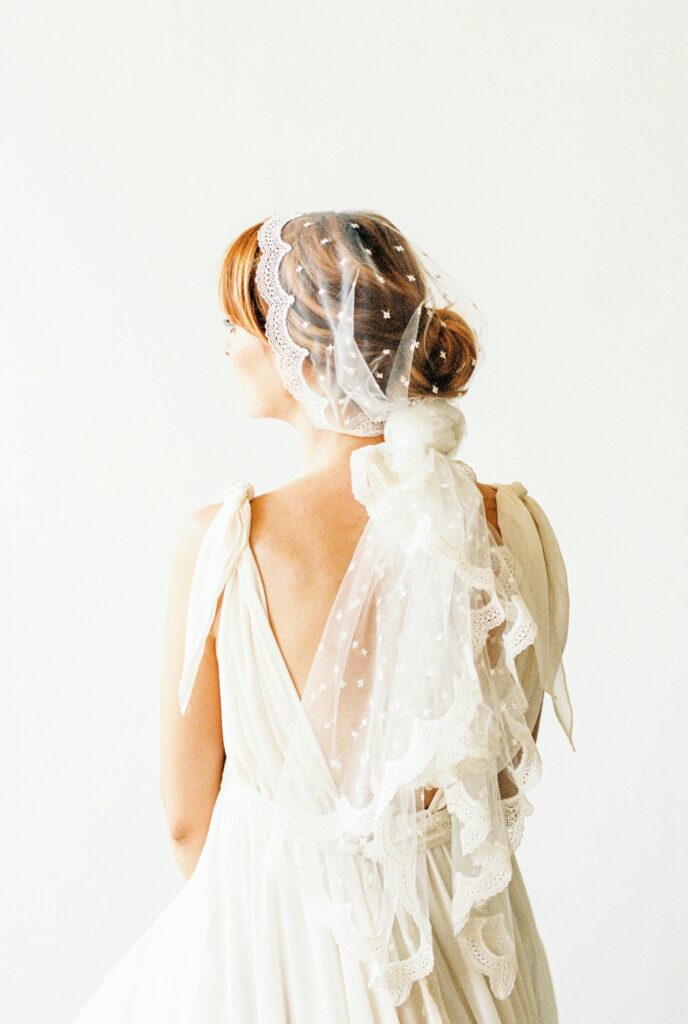
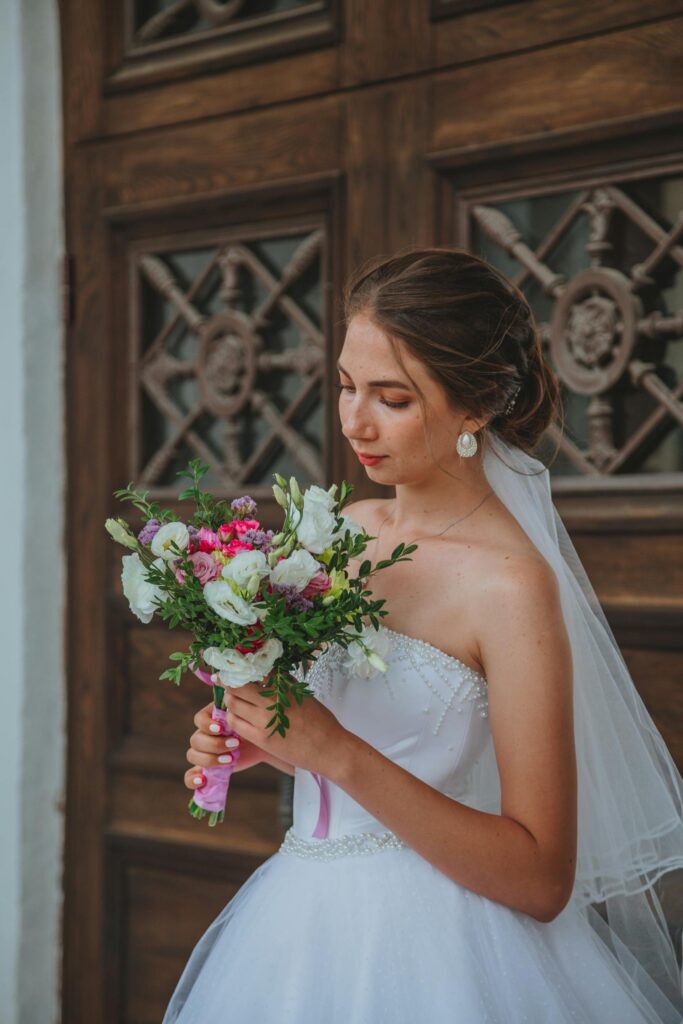
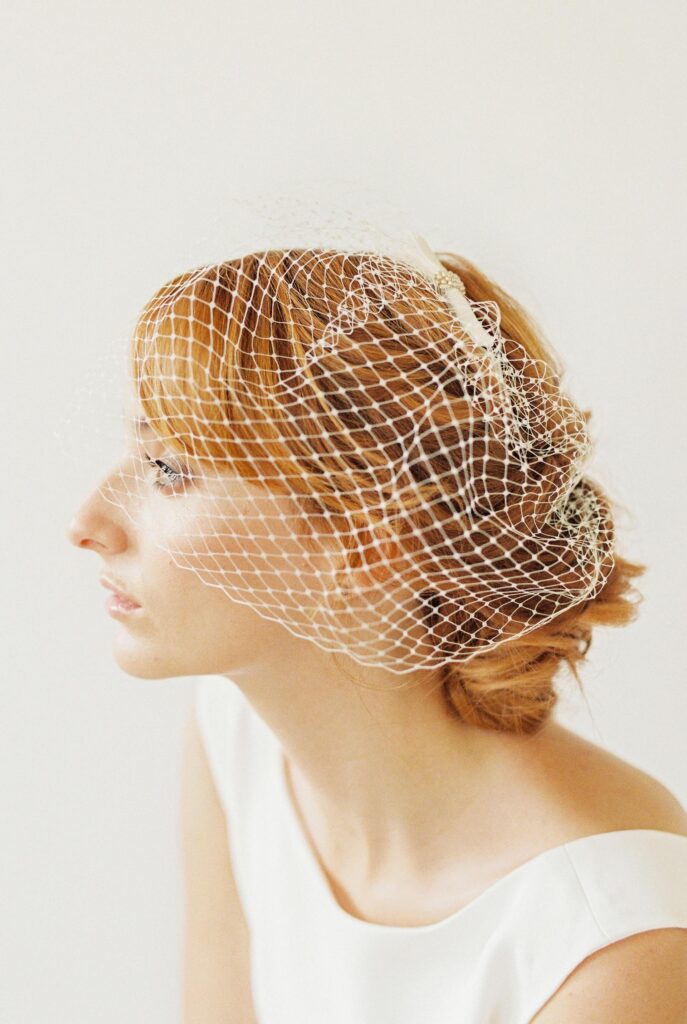
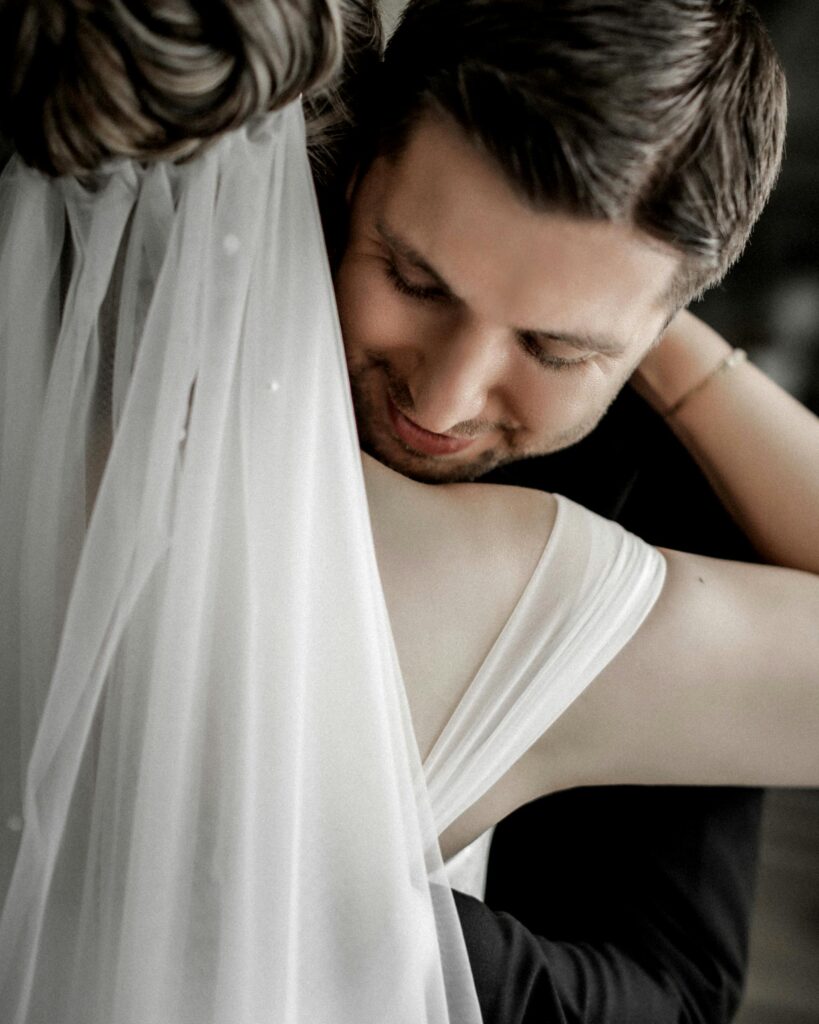
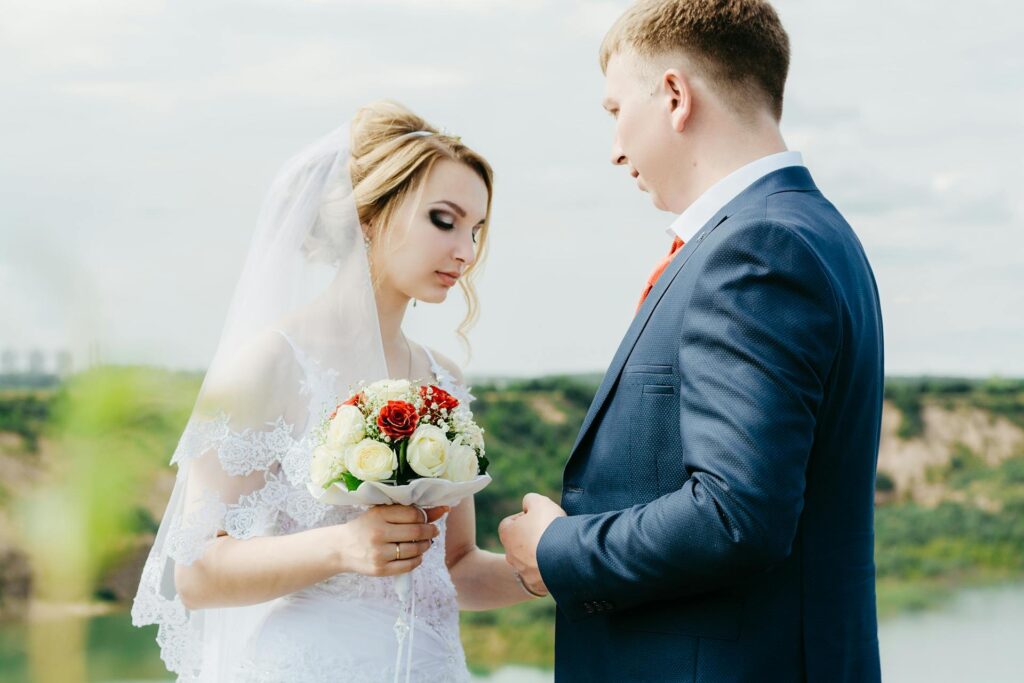
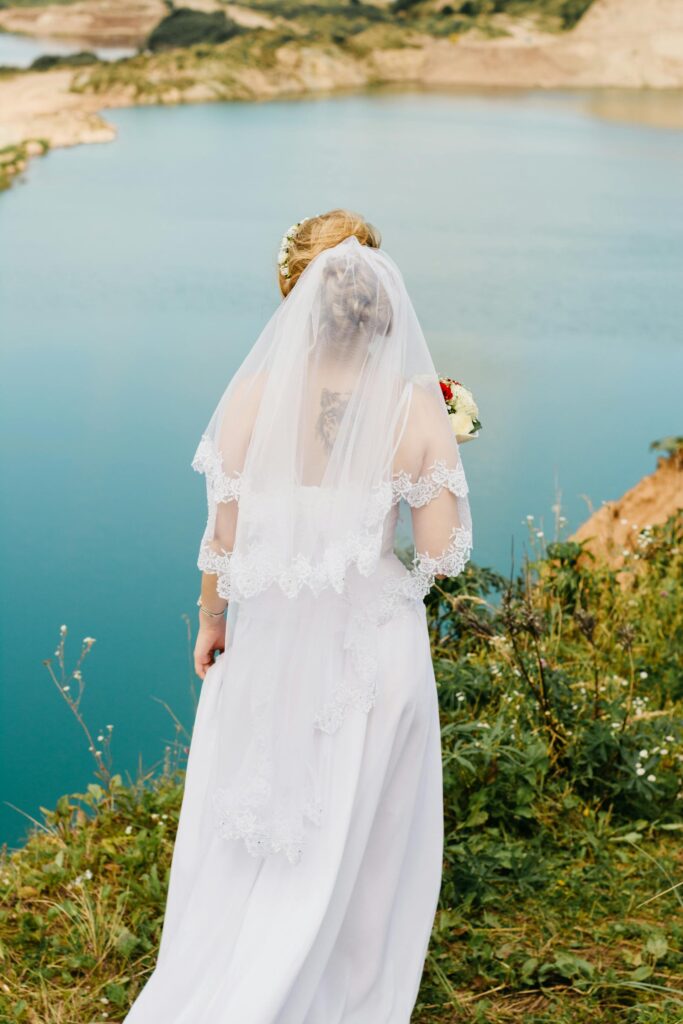
It can turn even the baddest chick out there into a vision of all that is good and pure. The veil is a symbol of elegance, purity, and tradition that has been an essential part of weddings for centuries. It is a piece of sheer fabric that is worn over the head and face during the wedding ceremony. While it may seem like a simple accessory, the history behind the bridal veil is quite fascinating.
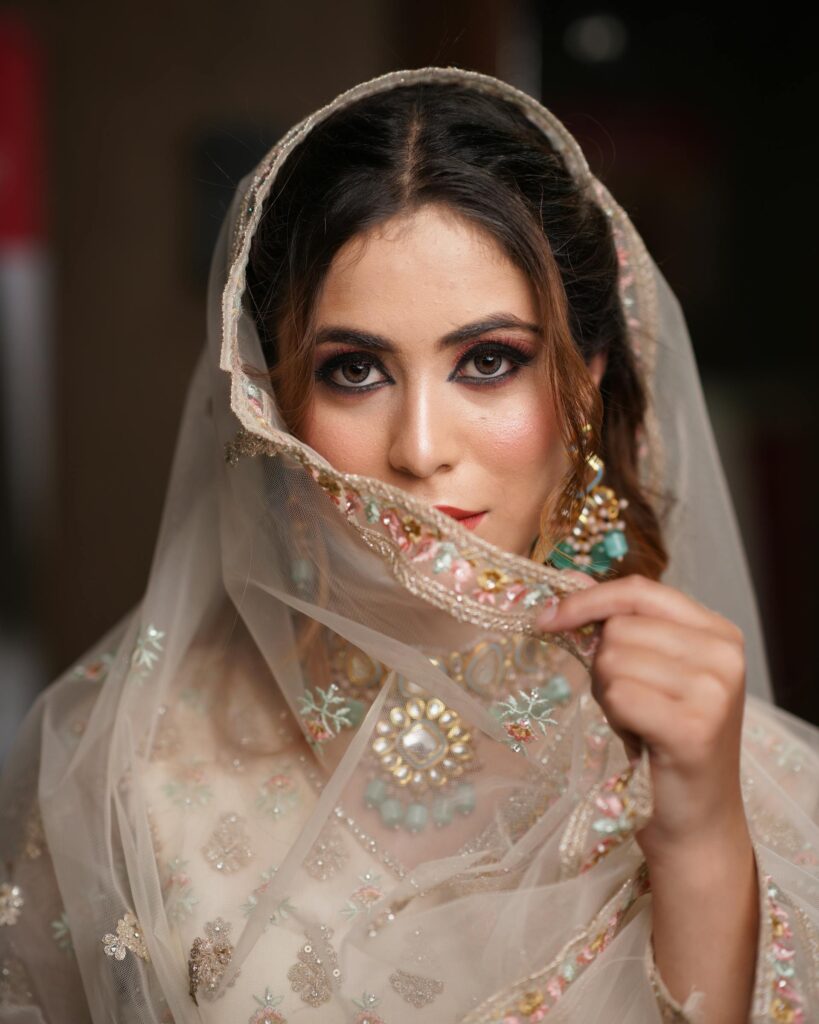
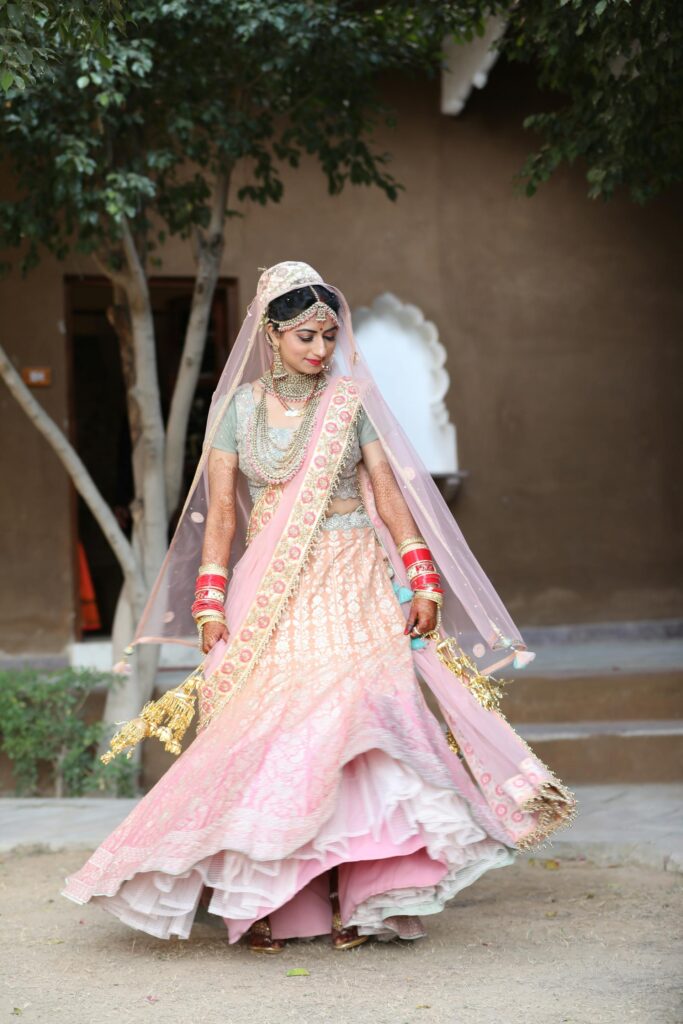
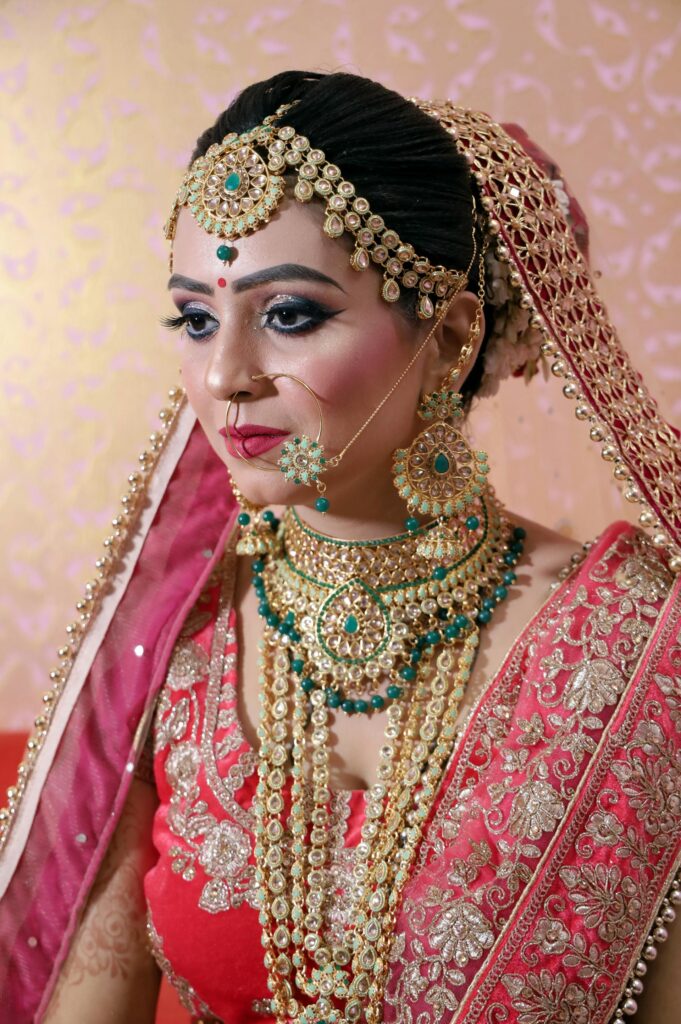
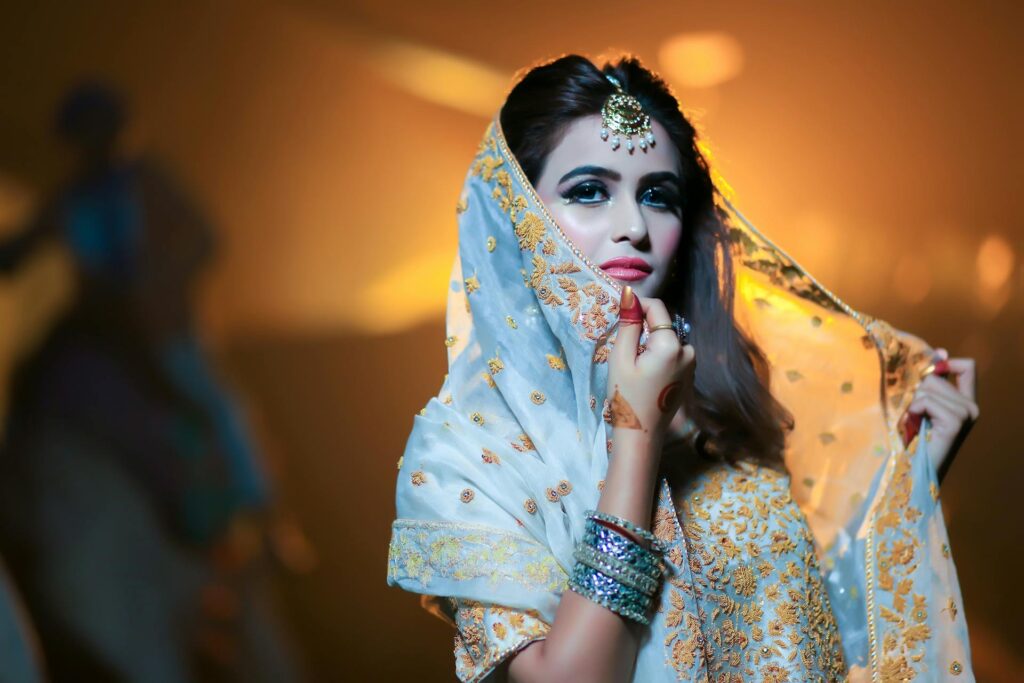
History of the Bridal Veil
So what is it about the veil that makes it the equivalent of a flashing neon sign announcing BRIDE? The veil is the oldest part of the bridal ensemble. It dates back to the ancient times. When they wrapped brides from head to toe to represent the delivery of a modest and untouched maiden. And isn’t that what all brides are going for—the look of never having been touched by another human body? And! Added benefits: The veil also hid her away from evil spirits who might want to thwart her happiness. Two birds, am I right? The origin of that tradition can be traced back to ancient Rome. Brides wore brightly colored veils as protection from evil spirits. Some of you, I am sure, can’t get with that evil spirit business and that’s ok. You’re just more sensible.
Over time, veils became associated with status and wealth. Only wealthy families could afford luxurious fabrics such as silk and lace for their veils. In Ancient Greece, it was believed that unveiling the bride was a sign of ownership by her husband. The veil was then lifted by her father and placed on her new husband’s head as a symbol of transfer of ownership. Still not the symbolism meant for you? Fear not, the veil offers something for everyone.
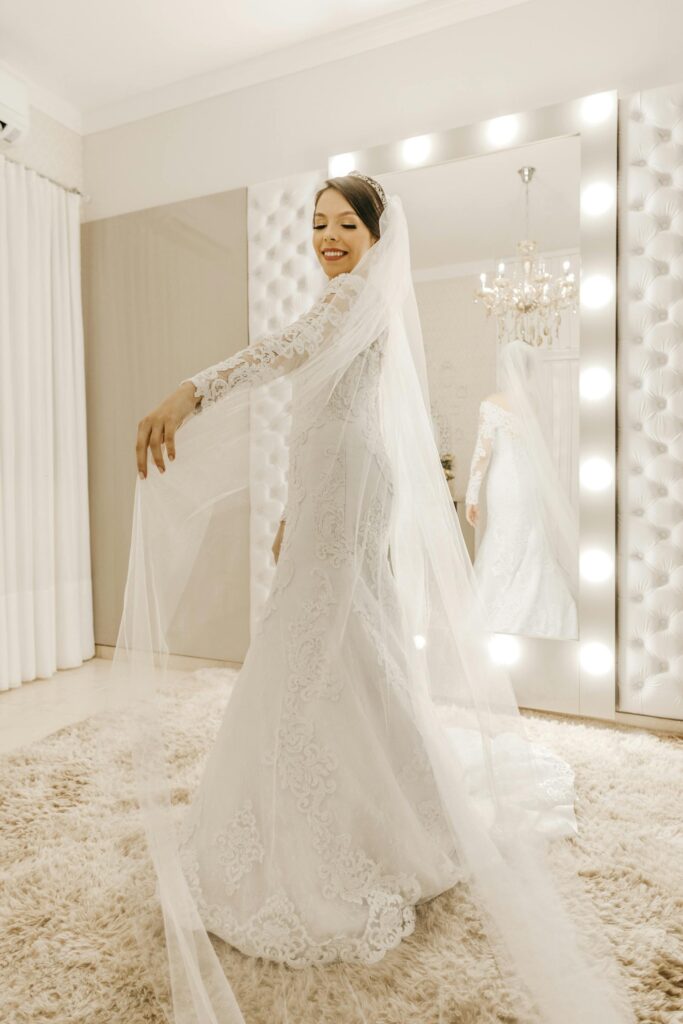
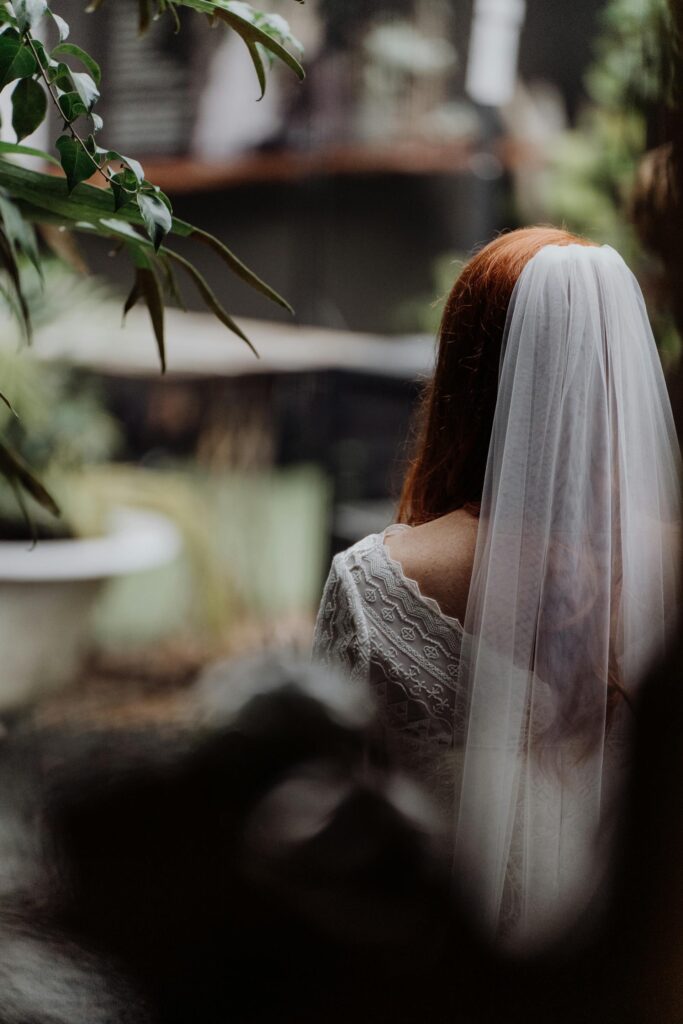
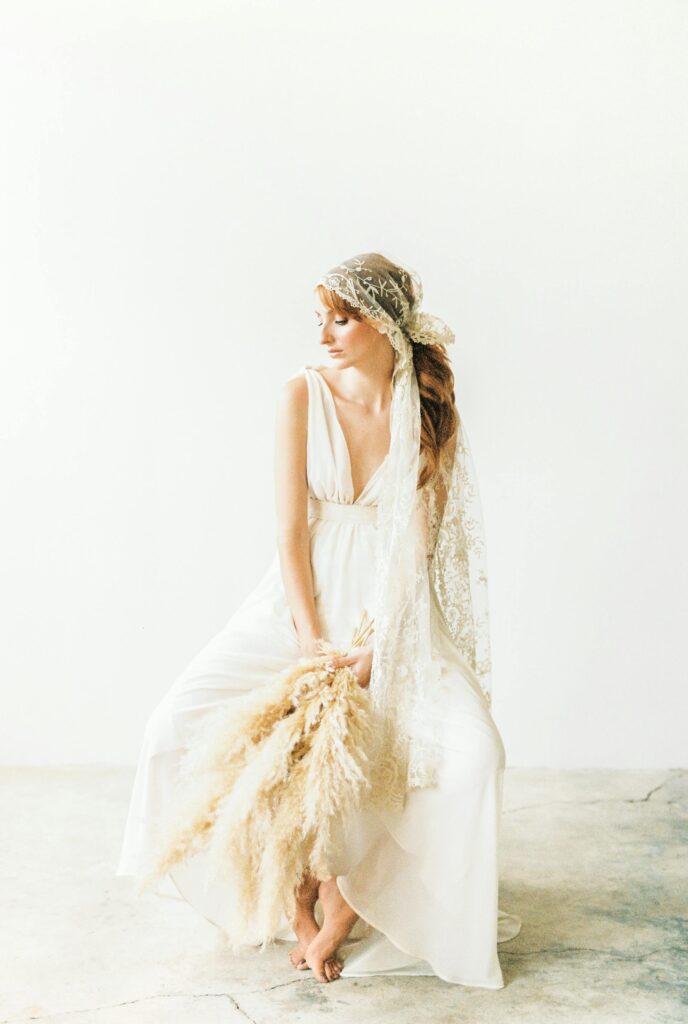
Practicality Behind The Veil
A more practical reason for the veil is said to stem from the days of arranged marriages. It was the desire to hide the bride’s face from the groom. That’s right. If you’re a little antsy about your groom sprinting from the altar upon laying eyes on your face, you can just cover your countenance with a nice, big veil. Luckily women in the 18th century moved beyond the veil and all of its bizarre connotations. Instead they simply adopted accessories. Caps, bonnets, wreaths, garlands, tiaras, jewels, lace, ribbons, and manner of other adornments.
Popularizing the Veil in Modern Times
During the Victorian era in England, Queen Victoria popularized the white wedding dress and veil. She wore wore one for her marriage to Prince Albert in 1840. The white color represented purity and innocence, which became a traditional choice for brides all around the world. When Queen Victoria was married in her famous ensemble the white dress and cascading veil it became all the rage. She was the first modern monarch to be married in a veil. At that moment the image of a bride was defined for centuries to come. So like many wedding traditions with bizarre histories, modern brides are more accepting of the veil merely as a beautiful accessory.
To Veil or Not to Veil?
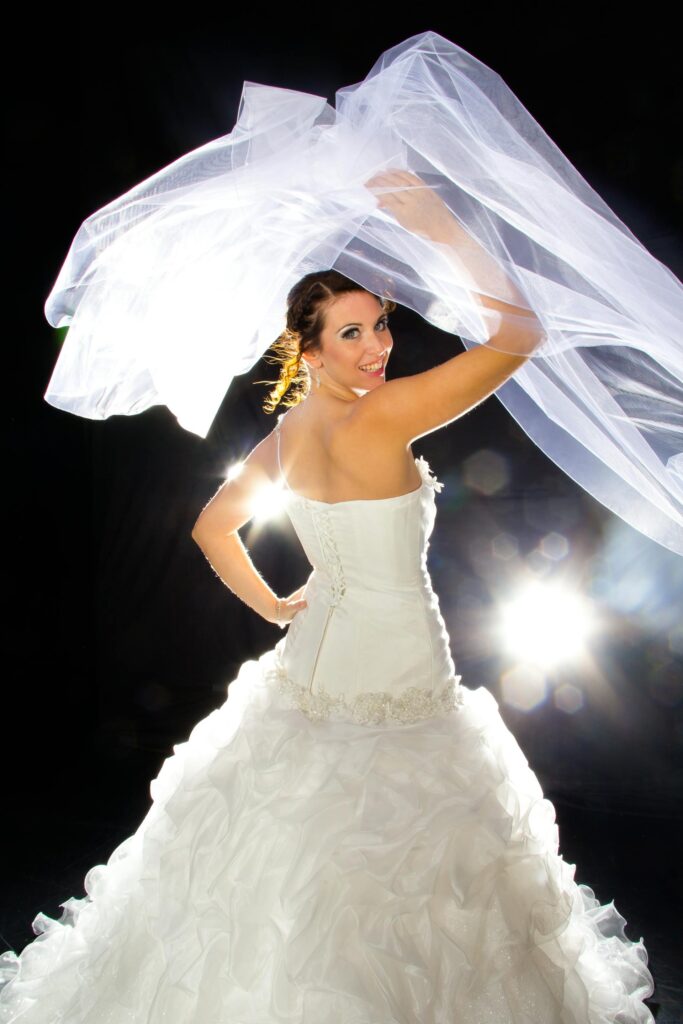
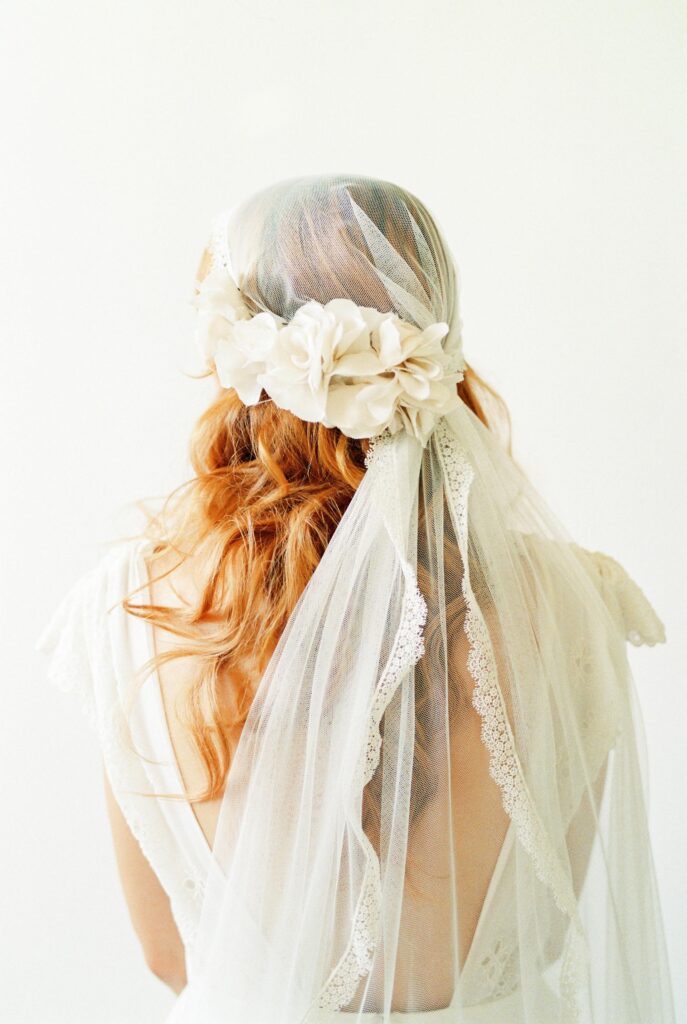
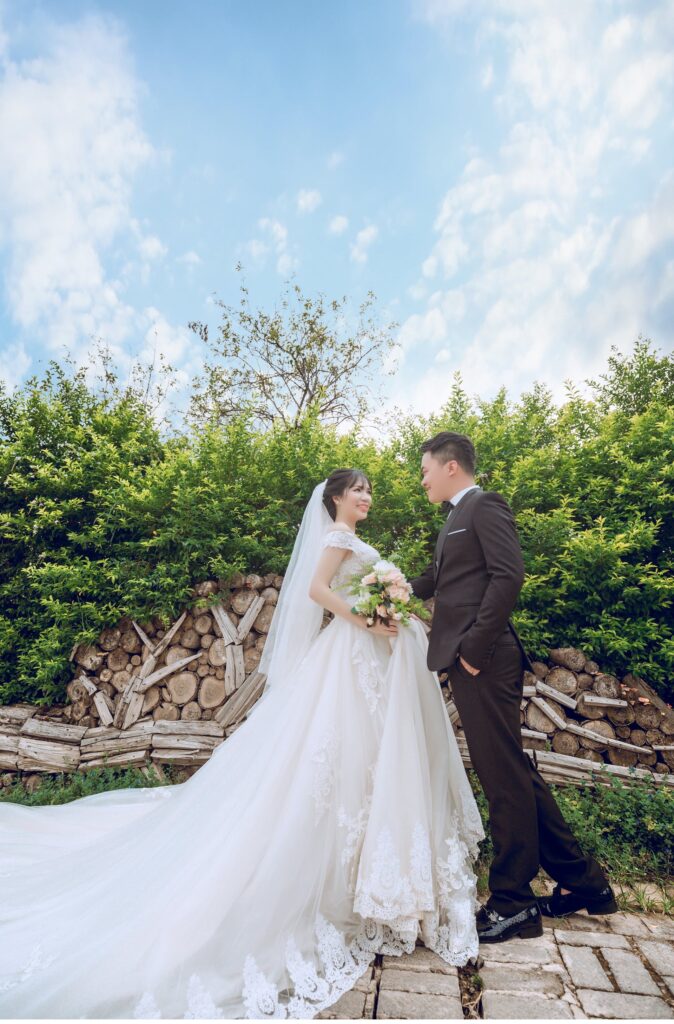
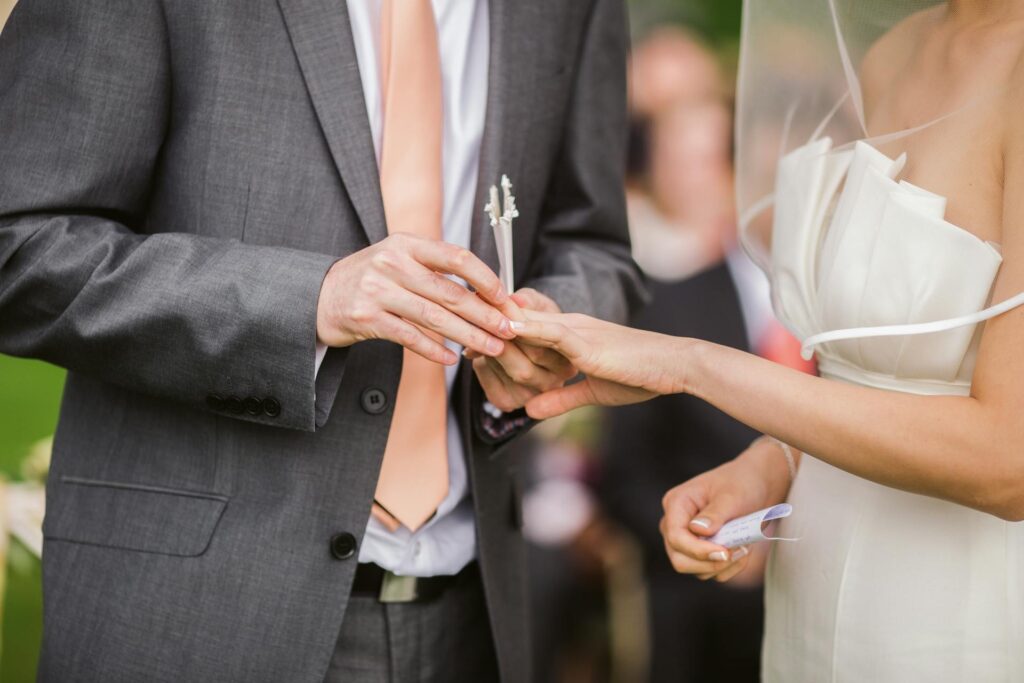
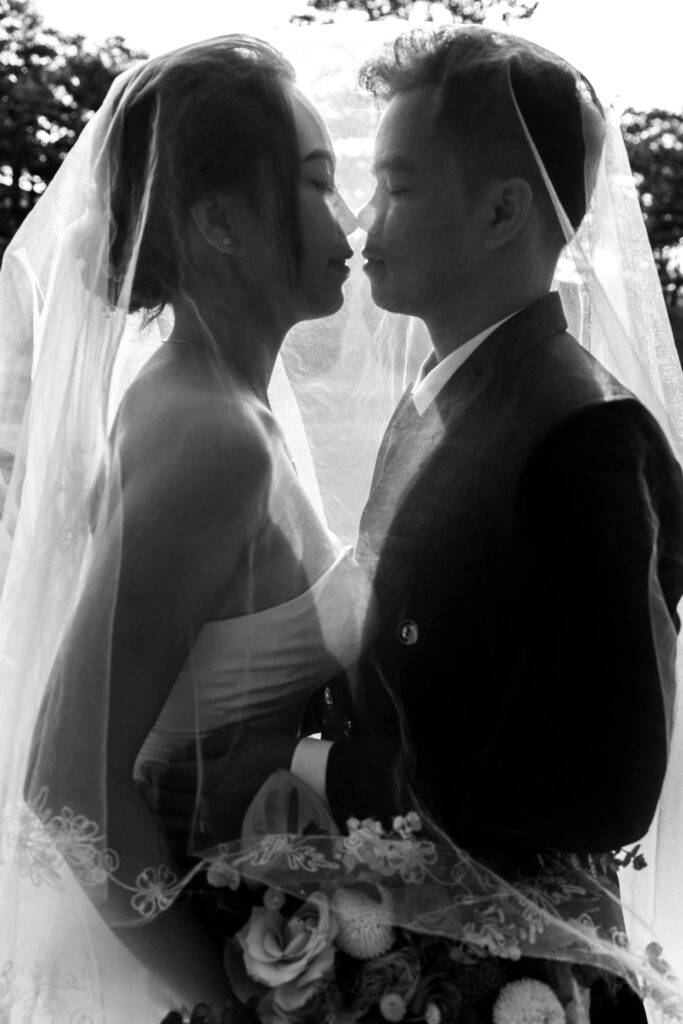
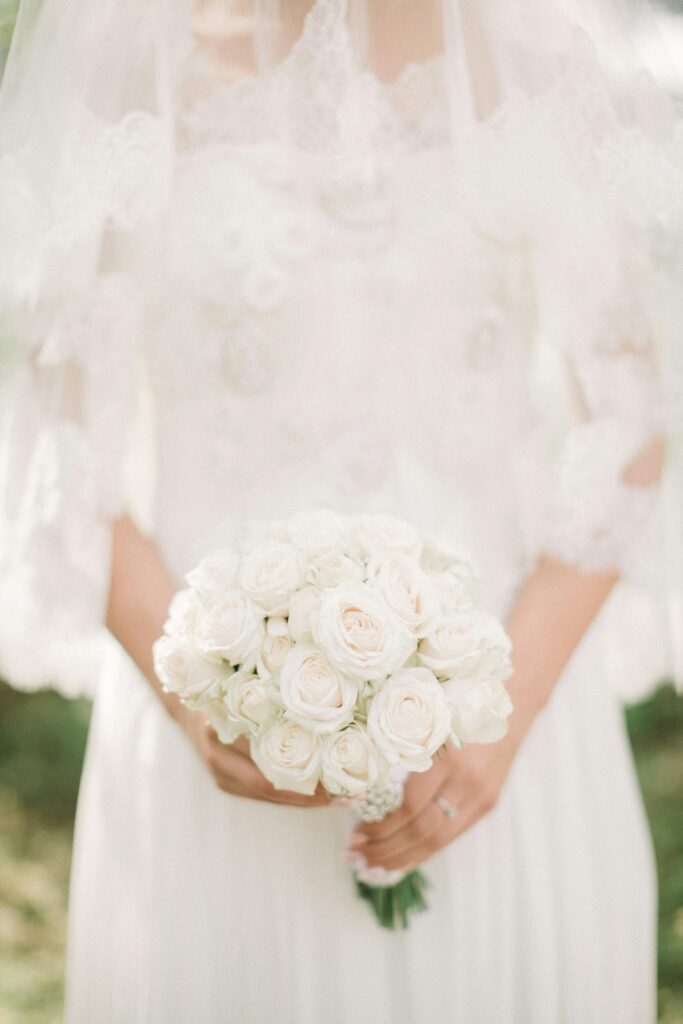
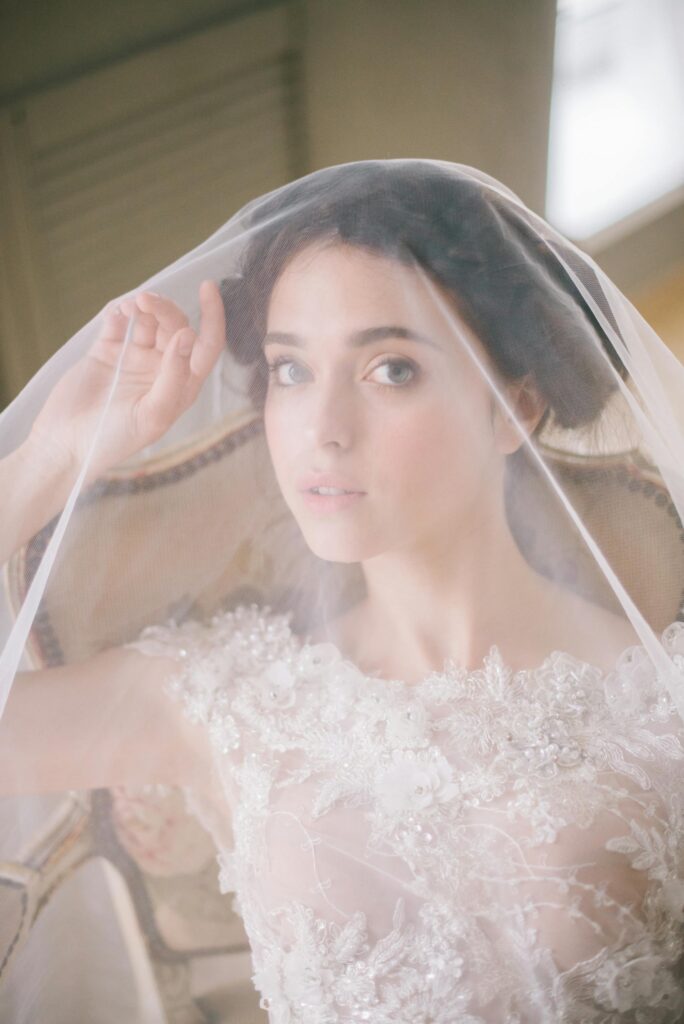
Today, wearing a veil has become more of a personal choice rather than a cultural or religious tradition. Some modern brides choose to wear a veil because they see it as an essential part of their wedding attire. It adds to the overall look and feel of their outfit, giving them a sense of glamour and sophistication. Moreover, it is seen as an ode to tradition and connects them with women who have worn veils before them.
Some brides choose not to wear a veil on their wedding day because they want to showcase their hairstyle or other accessories such as statement earrings or a beautiful headpiece. Conversely,some also see it as an outdated tradition. Those brides may prefer to have a more modern and individualistic approach to their wedding attire.
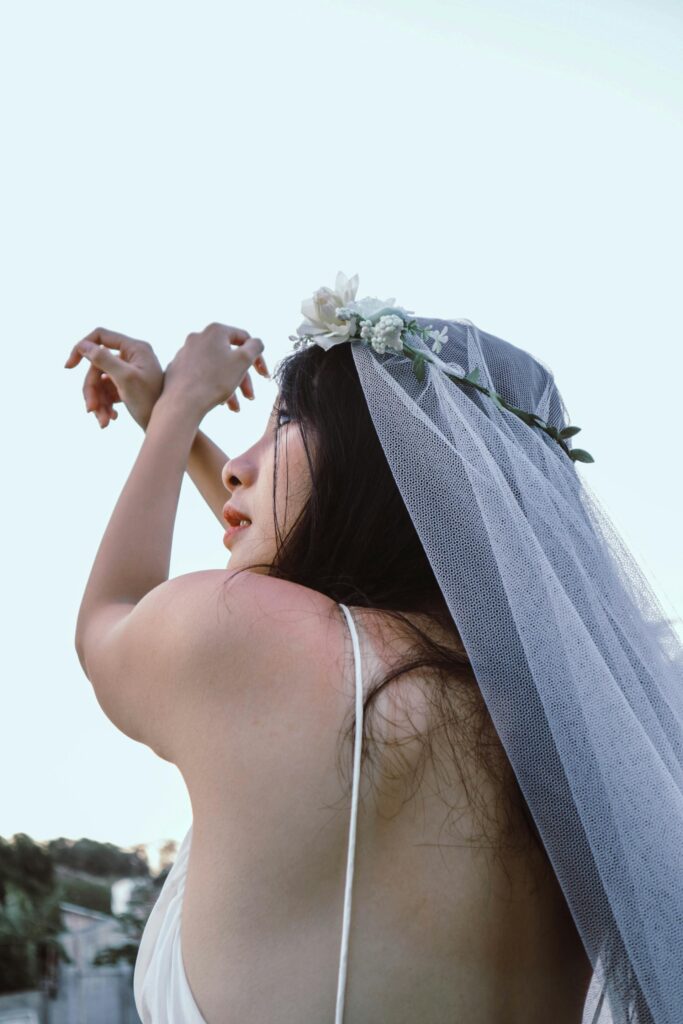
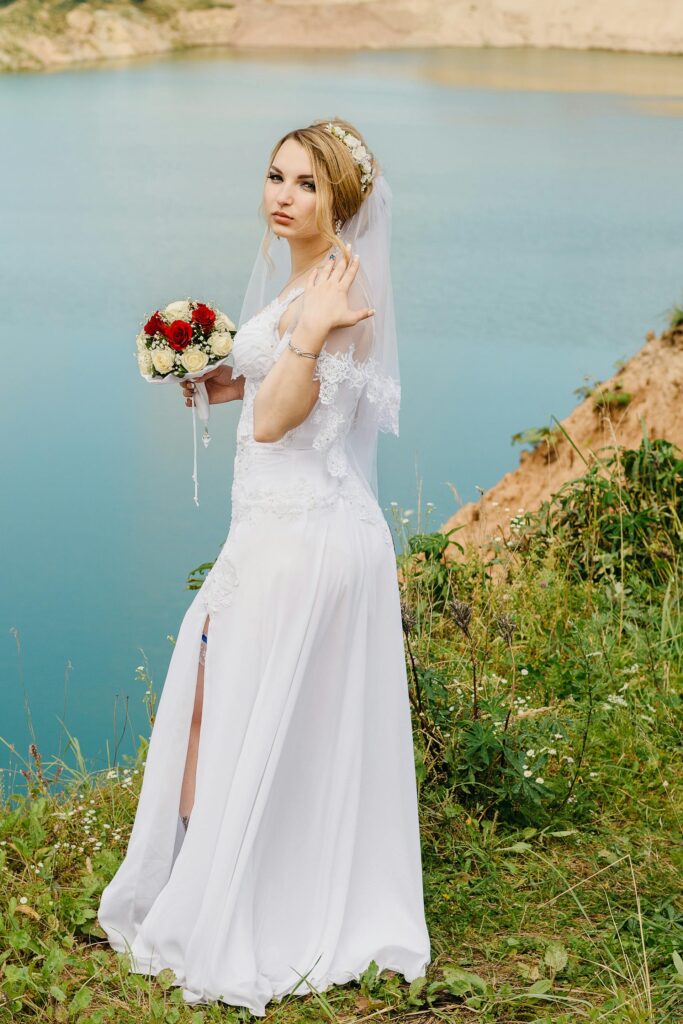
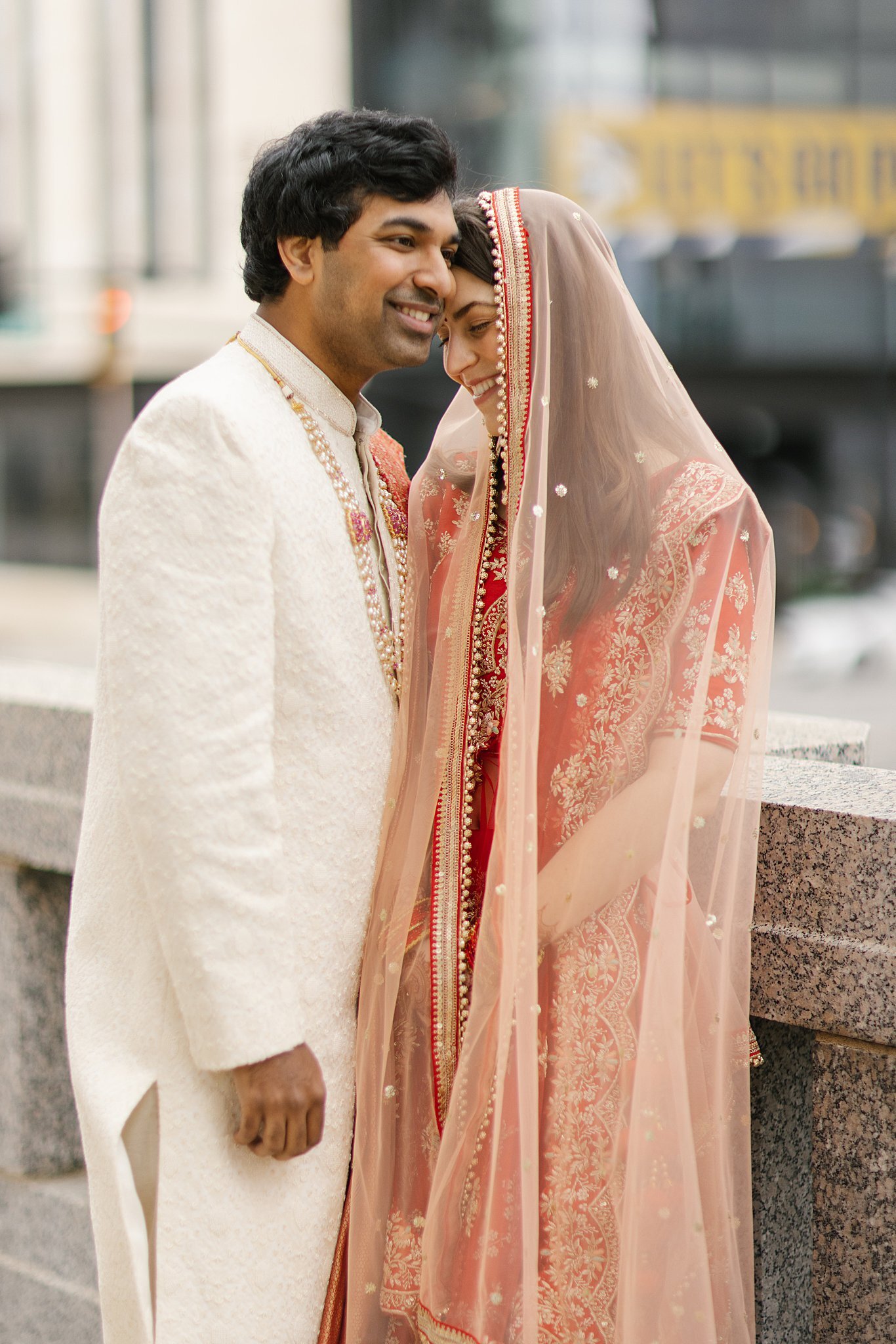
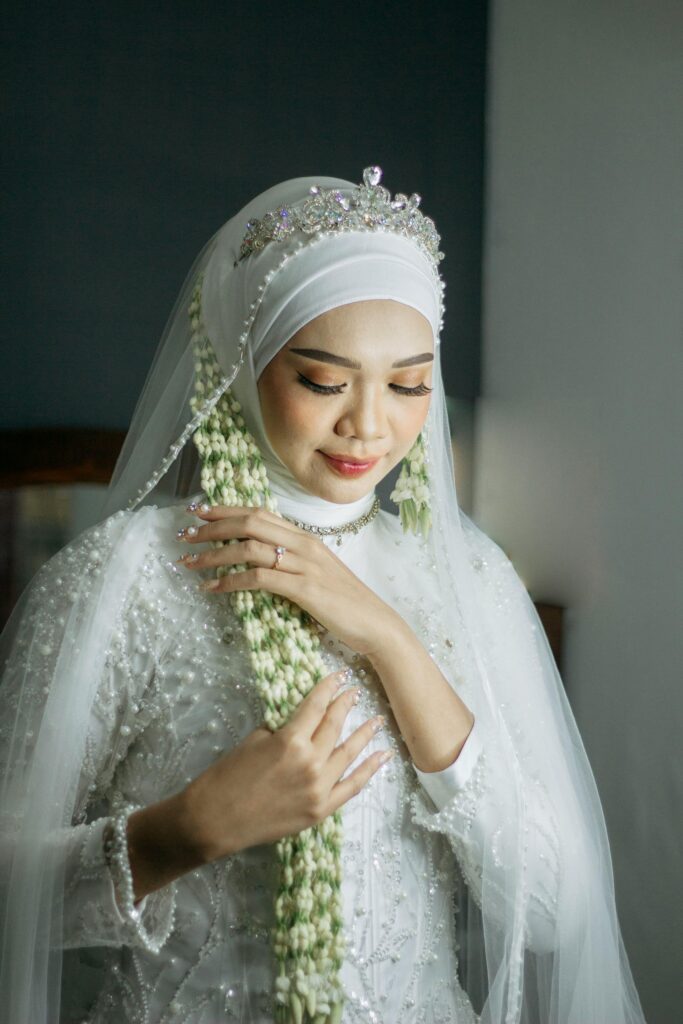
Additionally, some brides may choose not to wear a veil due to personal or cultural reasons. In some cultures, wearing a veil is not customary, and the bride may opt for other traditional head coverings instead.
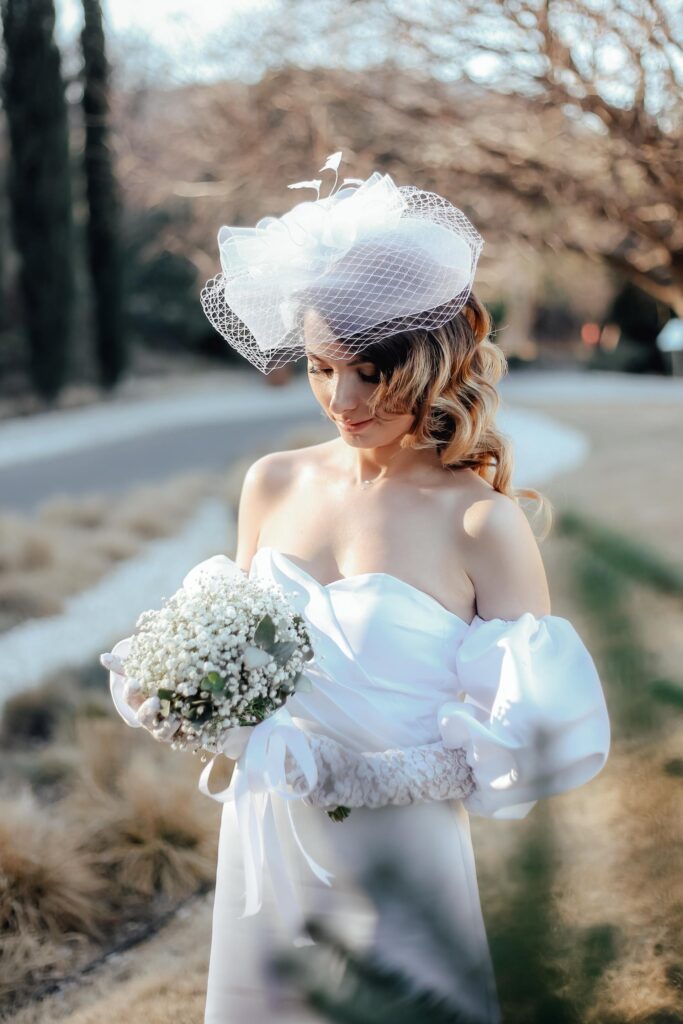
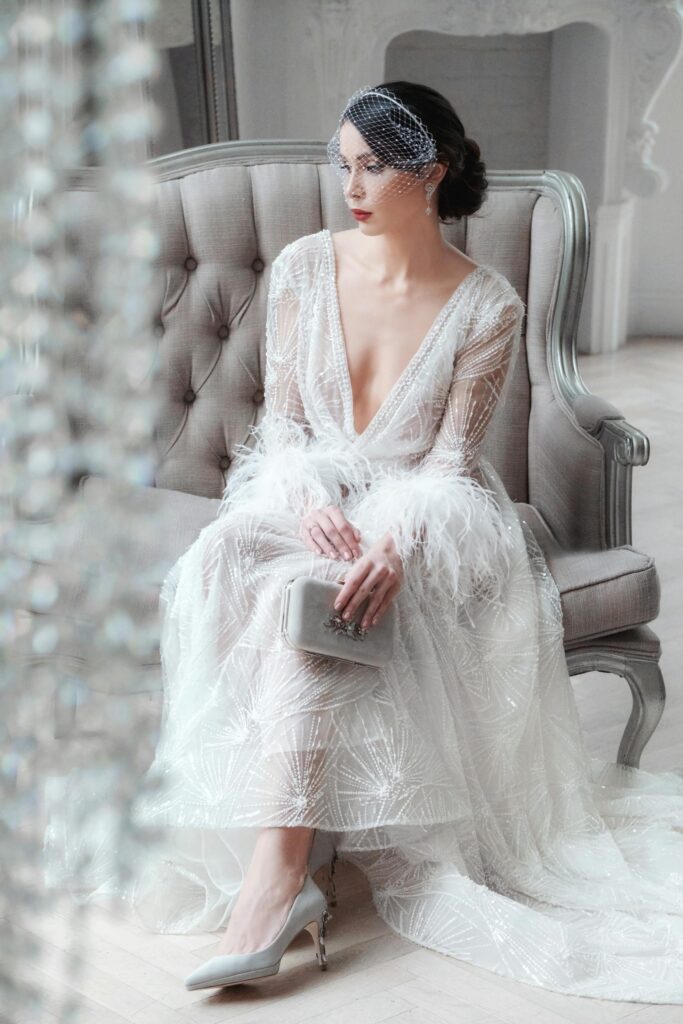
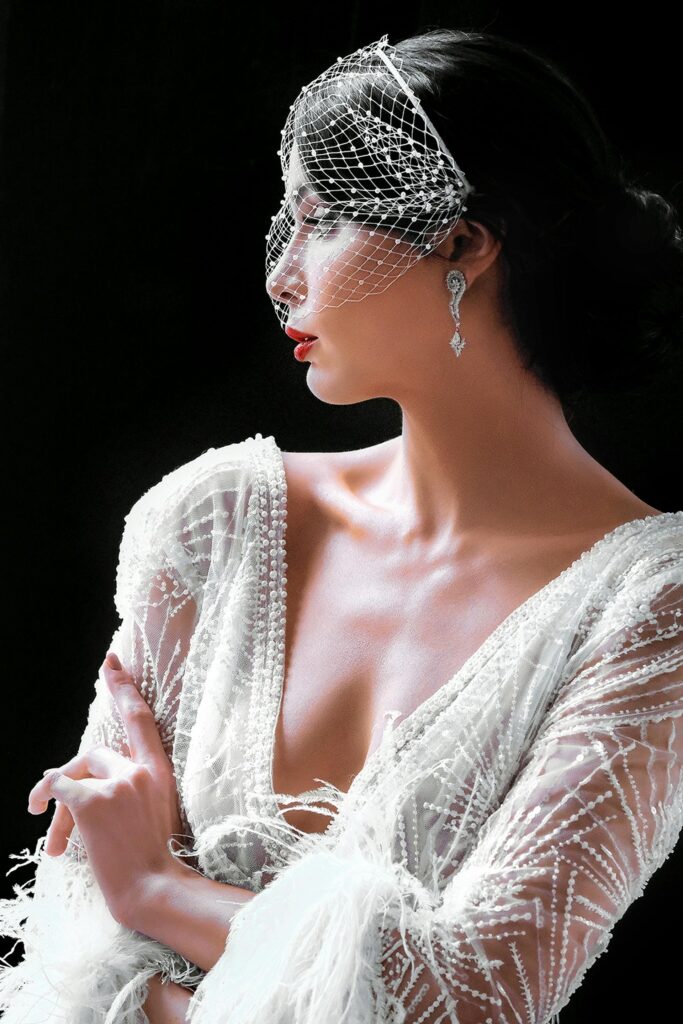
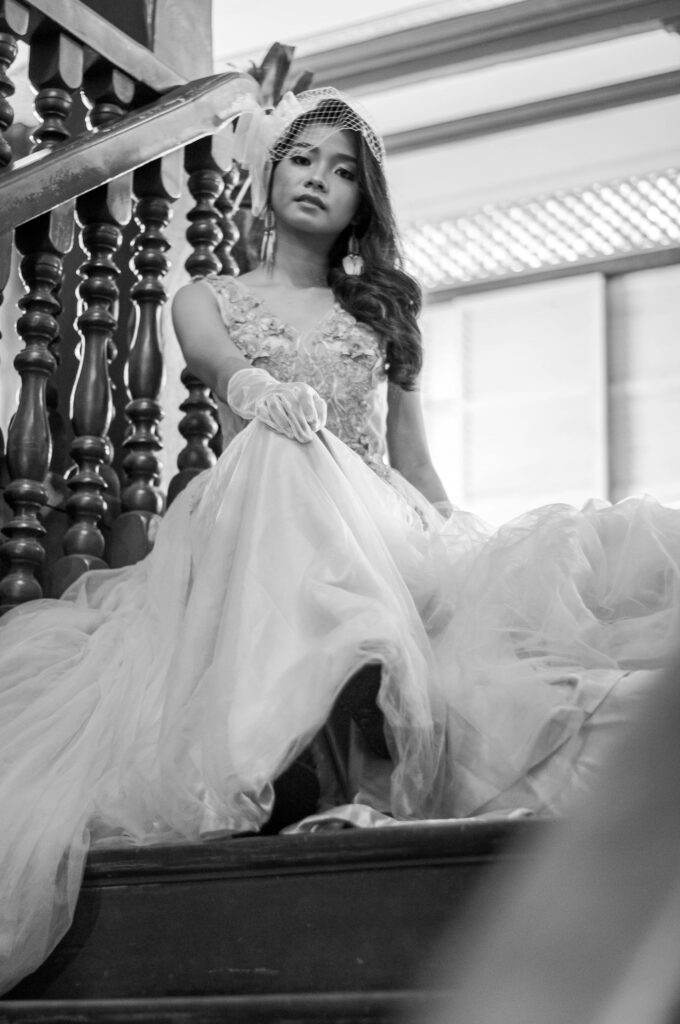
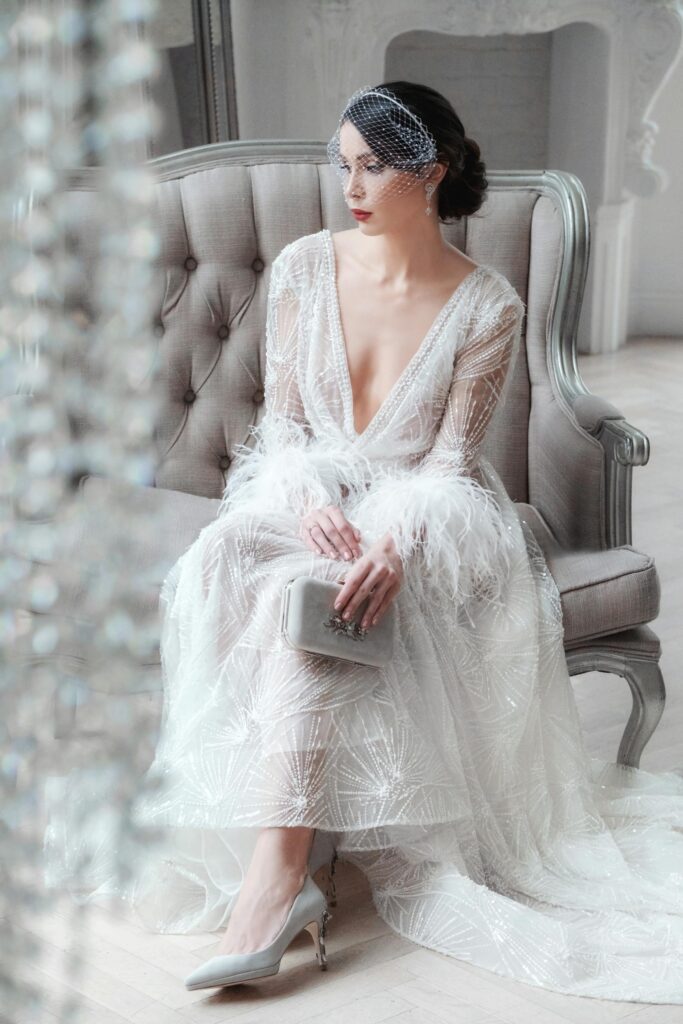
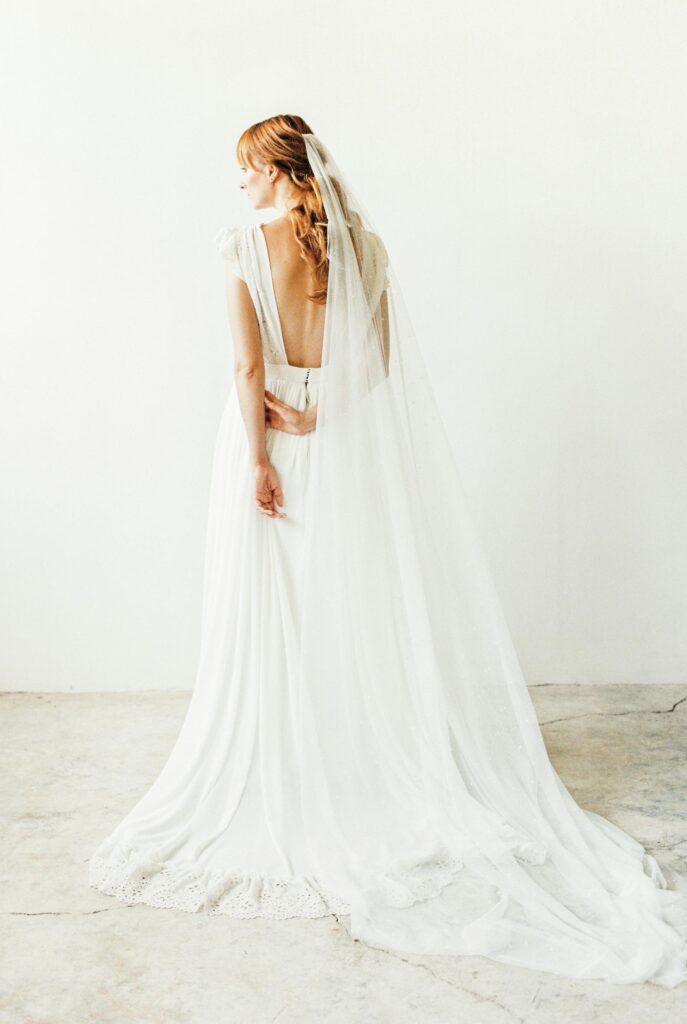
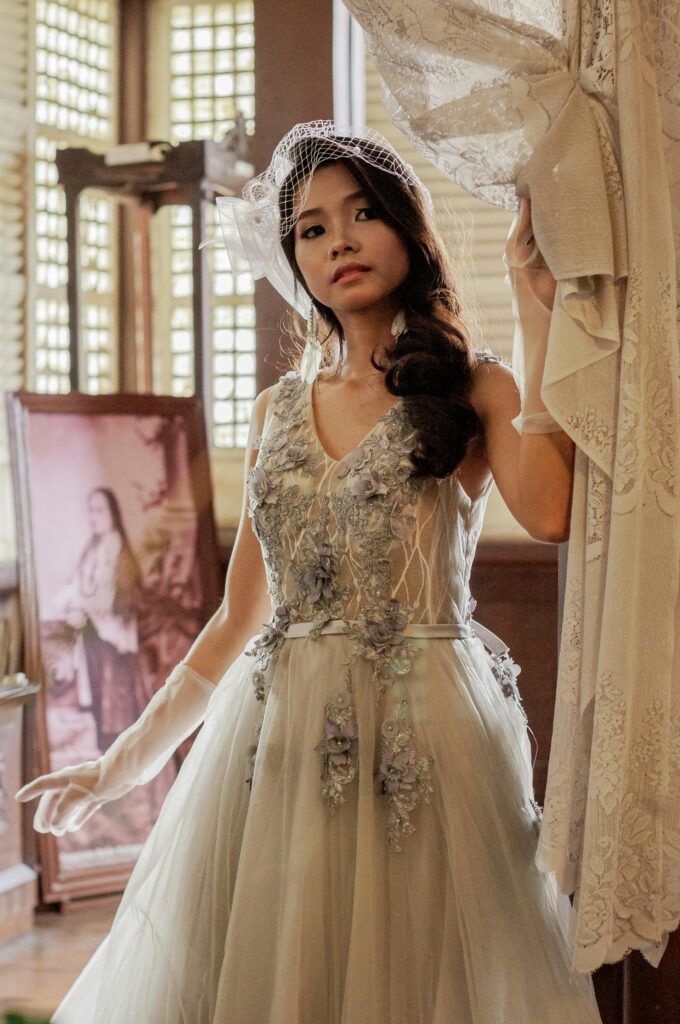
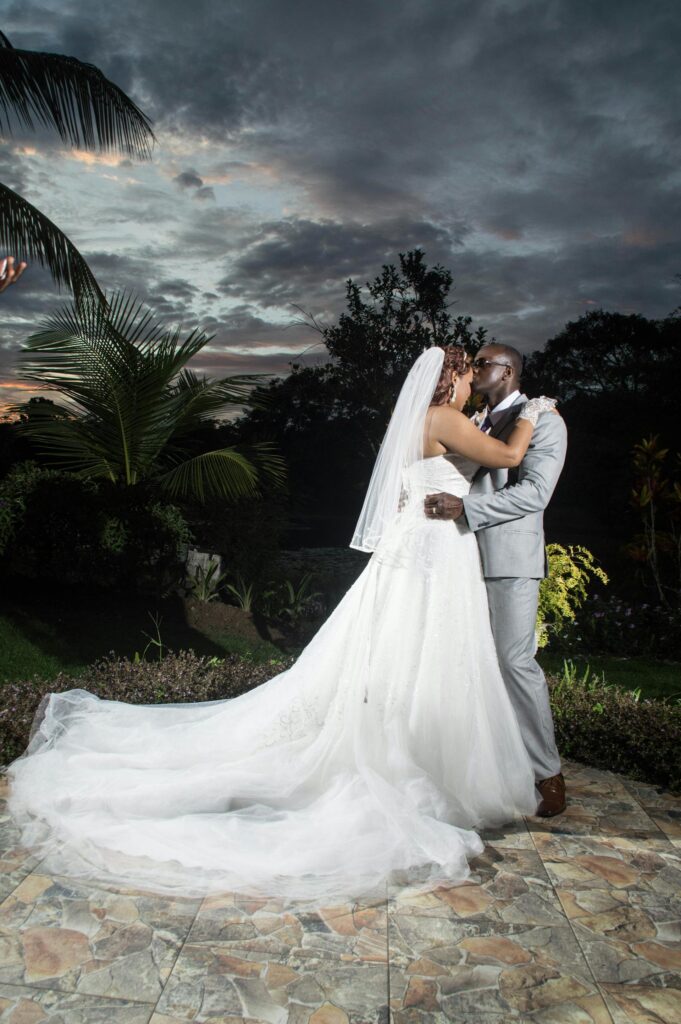
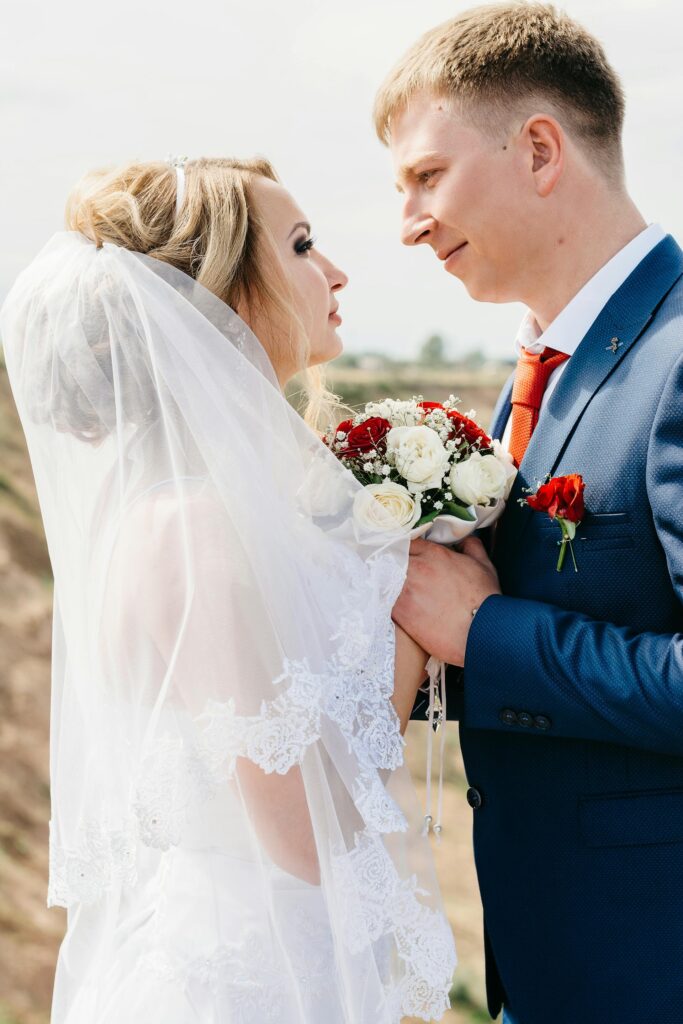
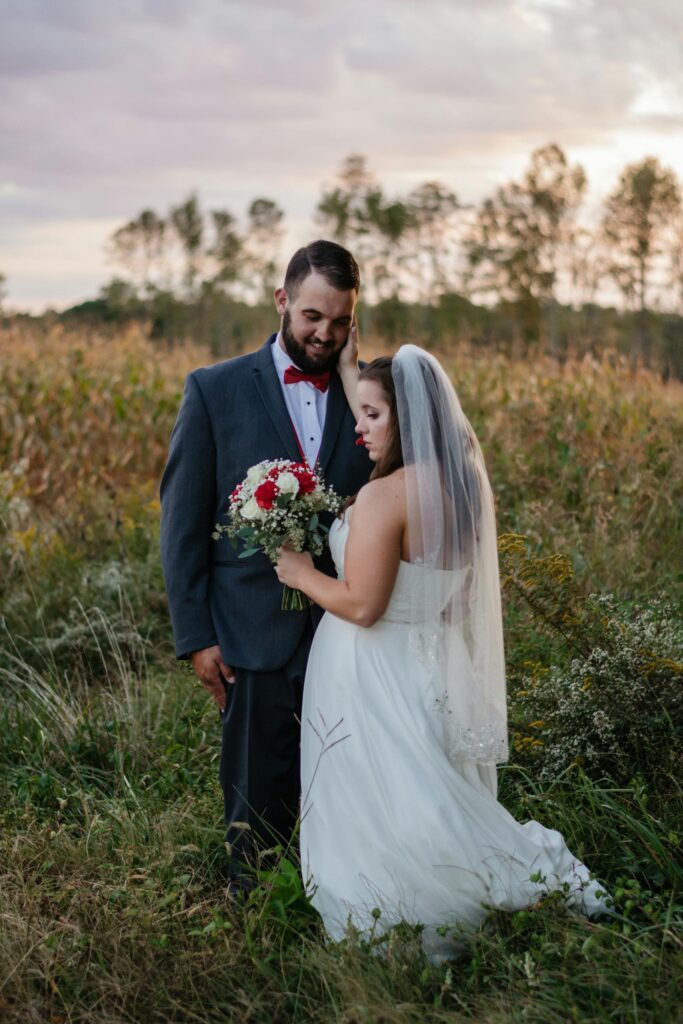
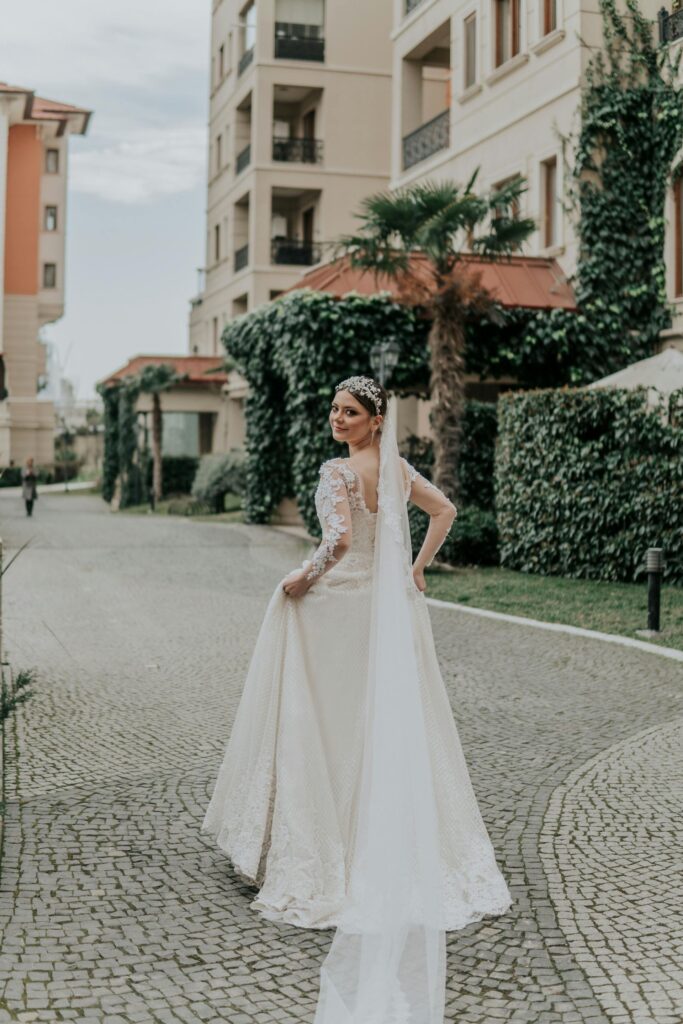
In recent years, veils have also evolved into various styles and lengths to suit the bride’s preferences and wedding theme. From short birdcage veils to long cathedral veils, there is an option for every bride. Will you be looking to incorporate this tradition into your wedding day?
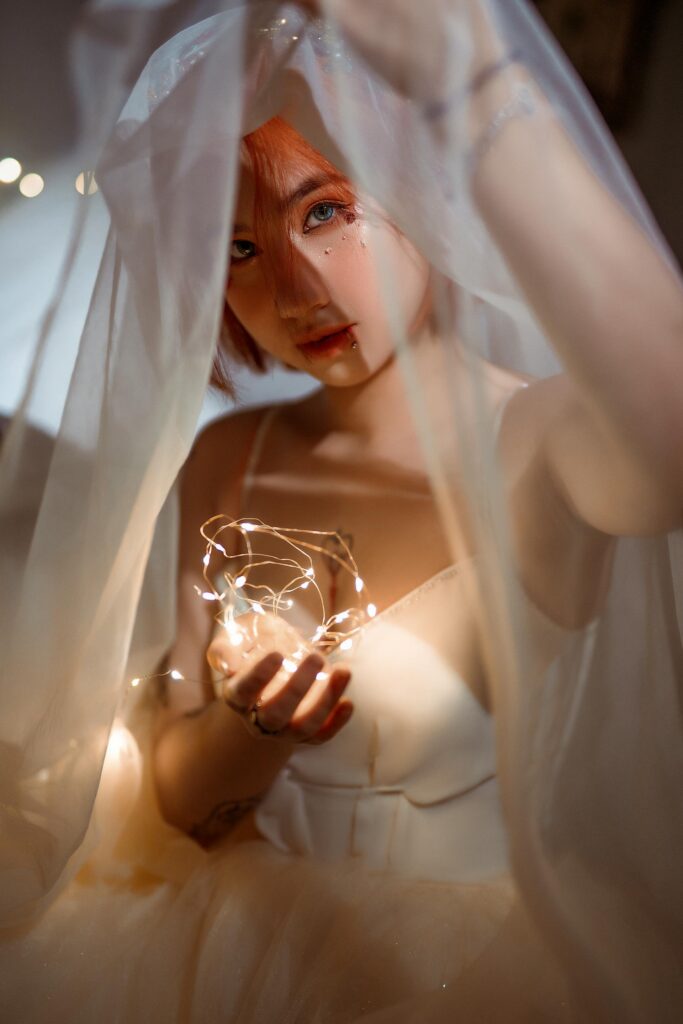
The bridal veil has certainly come a long way from its protective purpose in ancient times. It has become an iconic symbol of weddings that continues to hold significance for many couples today. Whether chosen as a nod towards tradition or as a fashion statement, the bridal veil remains an essential part of the wedding attire. It will continue to be cherished by brides for years to come.