Are Wedding Registries Still Worth It in 2024?

The wedding registry has been a cornerstone of nuptial traditions for decades. Couples would carefully curate lists of household items, guests would dutifully shop from those lists, and newlyweds would start their married life with matching dinnerware and coordinated linens. But as modern couples increasingly live together before marriage, prioritize experiences over possessions, and navigate changing social norms, many are questioning whether the traditional wedding registry still makes sense.
The answer isn’t as straightforward as you might think. While the concept of registering for wedding gifts remains popular, how couples approach it has evolved dramatically. Some embrace minimalism and skip registries entirely, while others adapt the tradition to fit their contemporary lifestyles. Understanding the pros and cons can help you decide what works best for your situation.
The Case for Wedding Registries

Simplicity for Everyone Involved
Wedding registries solve a genuine problem: gift-giving anxiety. Guests want to give meaningful presents that couples will actually use, but guessing what newlyweds need can be stressful. A well-curated registry eliminates this guesswork, ensuring guests feel confident about their purchases while couples receive items they genuinely want.

The convenience factor extends beyond just the selection process. Most major retailers offer registry services with features like completion discounts, easy returns, and duplicate protection. These practical benefits make the entire gift-giving process smoother for everyone involved.




Starting Fresh Together
Even couples who have lived together often use their wedding as an opportunity to upgrade their belongings. That mismatched collection of hand-me-down furniture and college-era kitchen supplies can finally be replaced with items that reflect their shared style and adult lifestyle.
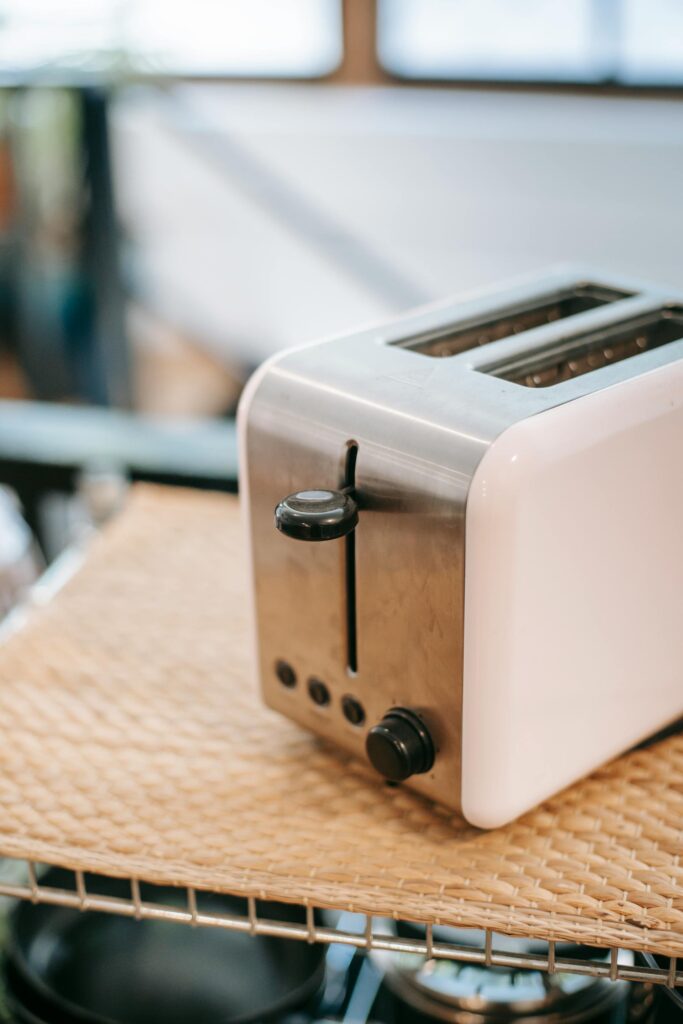
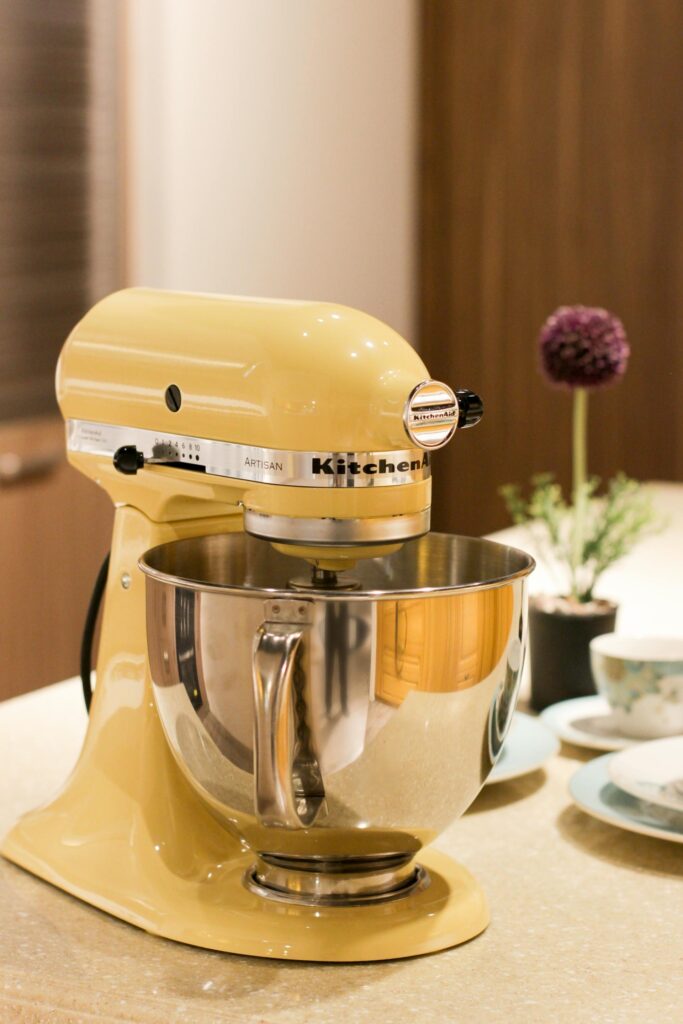
Registering for wedding gifts also provides an excuse to invest in higher-quality items that might otherwise feel too extravagant. Professional-grade kitchen appliances, luxury bedding, or artisan cookware become more accessible when multiple guests can contribute to larger purchases.




Building a Foundation
For couples who haven’t lived together, wedding registries serve their original purpose: establishing a household from scratch. These couples genuinely need everything from basic kitchen essentials to furniture, making registries both practical and necessary.
The Case Against Traditional Registries


The Minimalism Movement
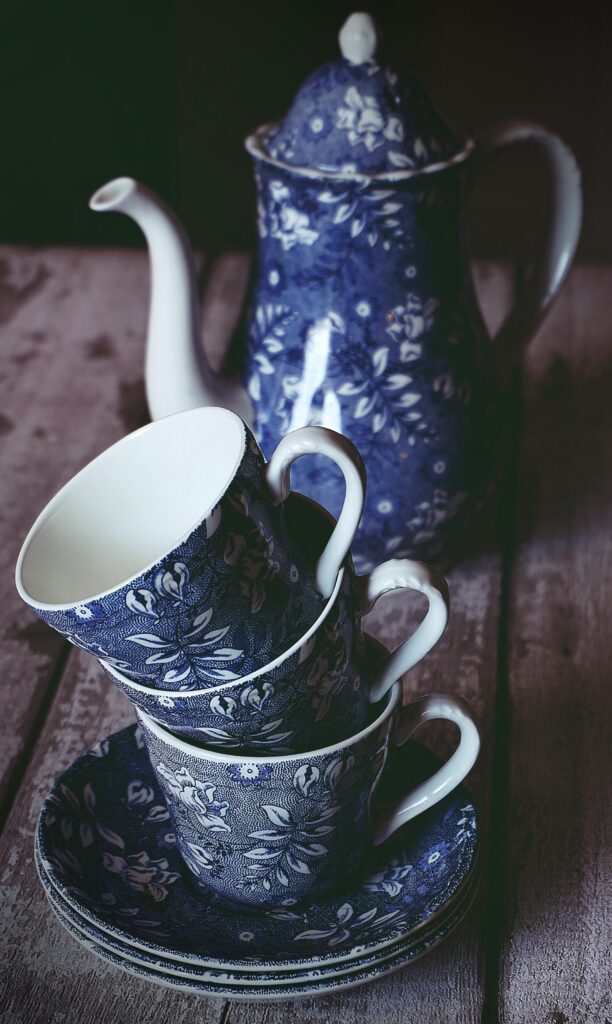
Many modern couples are embracing minimalist lifestyles, preferring experiences over material possessions. For these couples, traditional registries filled with china patterns and serving platters feel outdated and unnecessary. They’d rather receive contributions toward their honeymoon, home down payment, or other meaningful experiences.



Environmental Concerns
The environmental impact of consumer culture has made some couples reconsider whether they need new household items at all. They question the sustainability of accumulating more possessions when perfectly functional secondhand alternatives exist.



Changing Living Situations
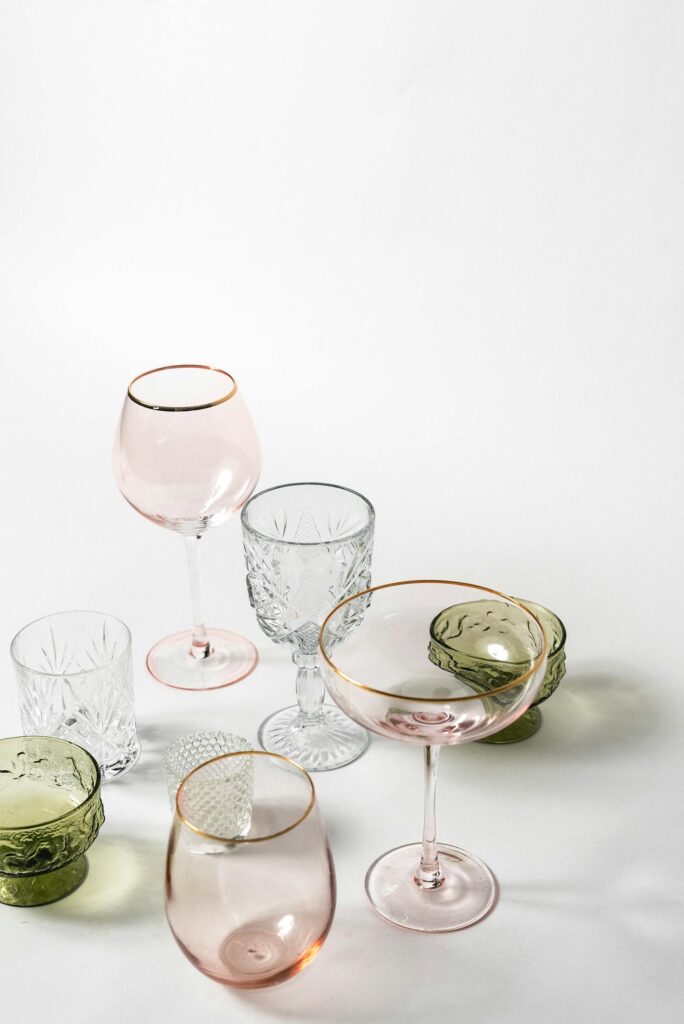
Rising housing costs mean many couples live in smaller spaces where large appliances and extensive dinnerware collections simply don’t fit. Urban couples, in particular, often prioritize functionality and space-saving solutions over traditional registry items.
Modern Alternatives to Traditional Registries







Experience Registries
Couples can now register for experiences instead of objects. Honeymoon funds, cooking classes, wine tastings, or adventure trips offer memorable alternatives to physical gifts. These registries align with the growing preference for experiences over material possessions.



Cash Funds and Group Gifts
Money registries allow guests to contribute toward specific goals like a house down payment, home renovations, or debt reduction. While some older guests might find cash registries impersonal, younger generations generally embrace this practical approach.
Group gifting platforms enable multiple guests to contribute toward expensive items, making it possible to give couples higher-value gifts they wouldn’t typically put on a traditional registry.

Charitable Registries
Some couples ask guests to donate to favorite charities instead of giving traditional gifts. This approach reflects personal values while making a positive impact, though it requires careful communication to ensure guests understand and support the choice.
Making Wedding Registries Work for Modern Couples

Focus on Quality Over Quantity
Instead of registering for complete sets of everything, focus on a few high-quality items you’ll actually use. A excellent chef’s knife might be more valuable than an entire knife block filled with mediocre blades.




Mix Traditional and Modern Options
Combine traditional registry items with modern alternatives. Include some classic household essentials alongside experience funds or contributions toward larger goals. This approach satisfies different guest preferences while meeting your actual needs.


Consider Your Lifestyle
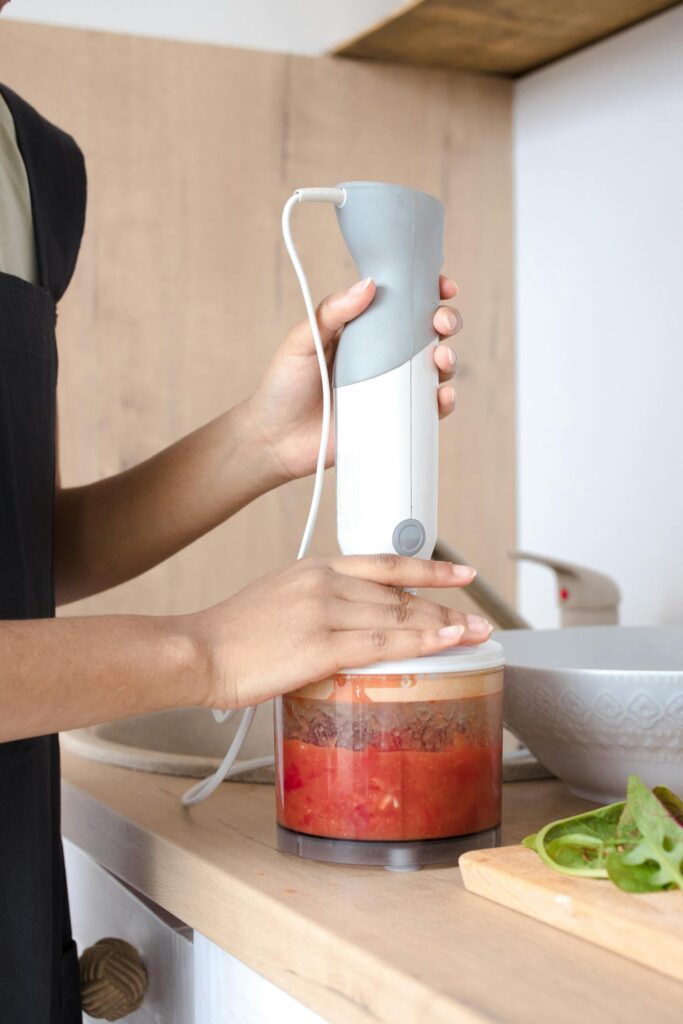
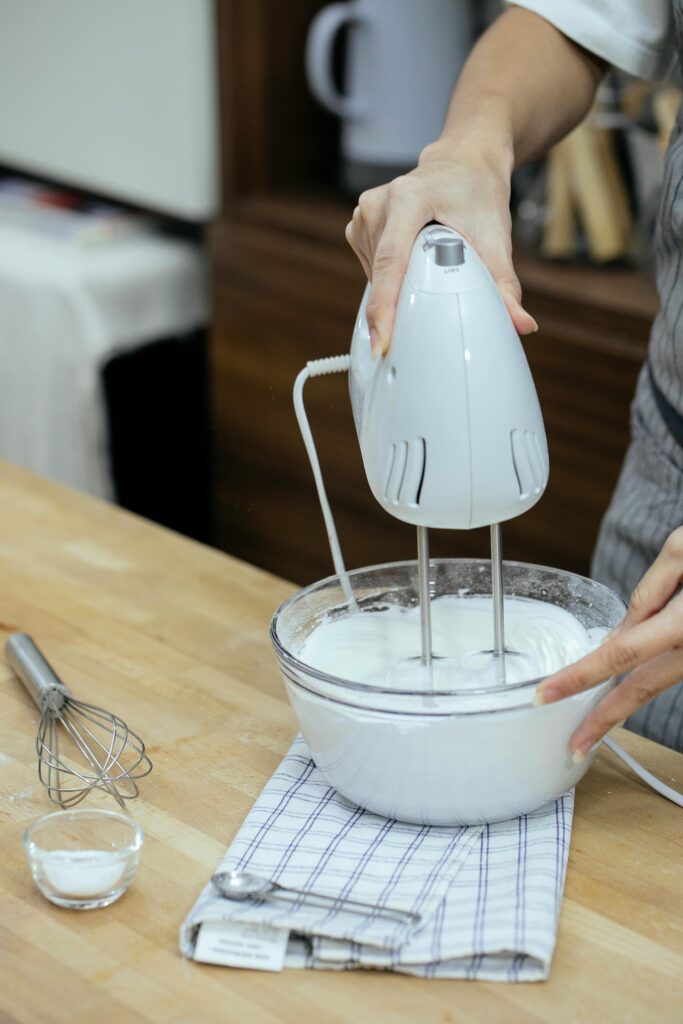
Be honest about how you live. If you rarely cook elaborate meals, skip the specialty baking equipment. If you prefer casual entertaining, you might not need formal china. Choose items that align with your actual lifestyle rather than an idealized version of married life.
Communicate Clearly
Whatever approach you choose, communicate it clearly to your wedding party and close family members who can help spread the word. If you’re skipping registries entirely, let people know. If you’re doing something unconventional, explain your reasoning.

The Verdict: Adapt, Don’t Abandon
Wedding registries aren’t inherently outdated, but they do need to evolve with changing times. The key is adapting the tradition to fit your specific circumstances rather than blindly following conventional wisdom.
Consider your living situation, lifestyle, values, and genuine needs when deciding how to approach wedding gifts. There’s no universal right answer, and what works for one couple might not work for another.
The most important thing is making a thoughtful decision that reflects your priorities as a couple. Whether you choose a traditional wedding registry, modern alternatives, or skip gifts entirely, the choice should feel authentic to your relationship and circumstances.
Remember that your wedding registry—or lack thereof—is just one small part of your wedding celebration. Focus on what truly matters to you as a couple, and don’t let gift-giving traditions overshadow the real purpose of your celebration: starting your married life together.