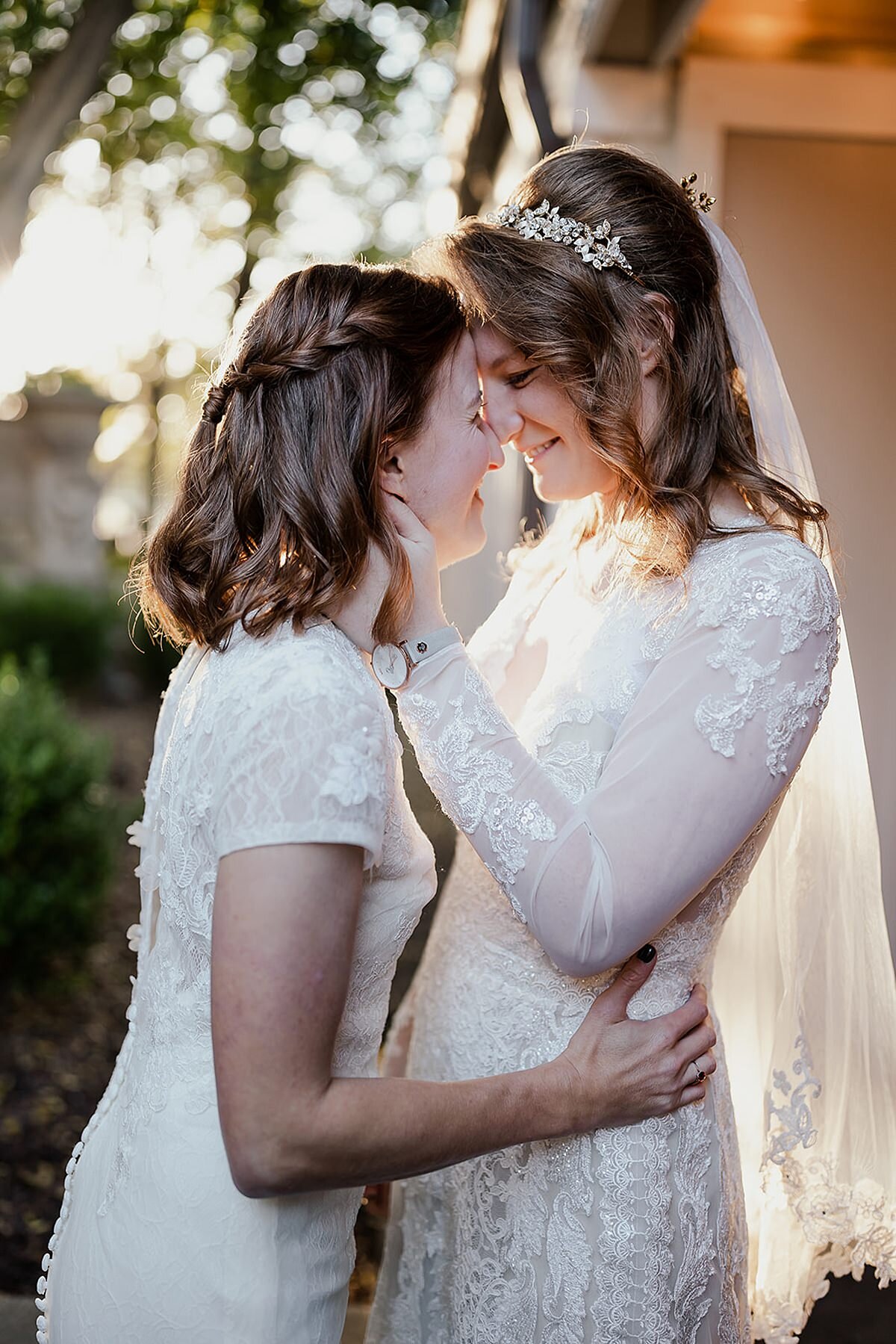
How to Choose a Wedding Officiant in Nashville (From Someone Who Has Officiated 450+ Ceremonies)
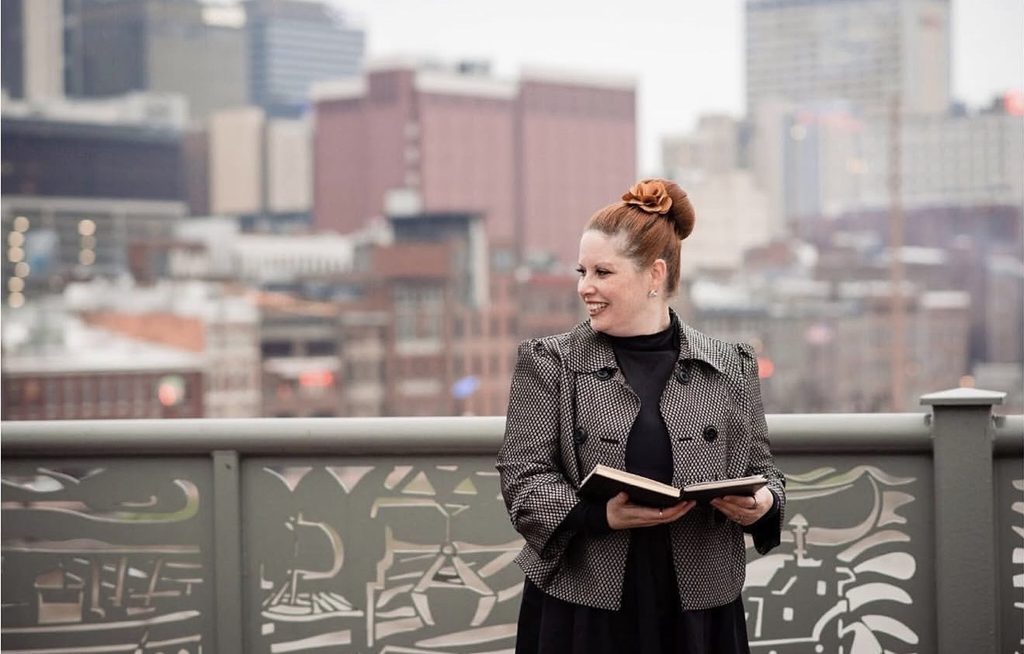
To choose a Nashville wedding officiant, look for someone who takes time to learn your love story, writes a personalized ceremony (not a template), communicates clearly, and has real experience. Ask about their process, request a sample script, and confirm they’ll help with the marriage license and rehearsal.
After officiating more than 450 ceremonies across the greater Nashville area, I’ve noticed a pattern. The weddings guests still talk about years later? They almost always start with the right officiant. Not the flashiest venue, not the biggest budget—the person standing at the front, holding the room, telling your story like they actually know you.
Yet the officiant is often the last vendor couples book. Many treat it as a formality, someone to say the words and sign the paperwork. That’s a missed opportunity. Your officiant sets the tone for the entire celebration and shapes the one part of the day that’s truly, uniquely yours.
This guide walks you through exactly what to ask, what to look for, and what separates a ceremony people remember from one they forget. Consider it your shortcut to booking someone who’ll craft a moment that reflects your love story—stress-free.
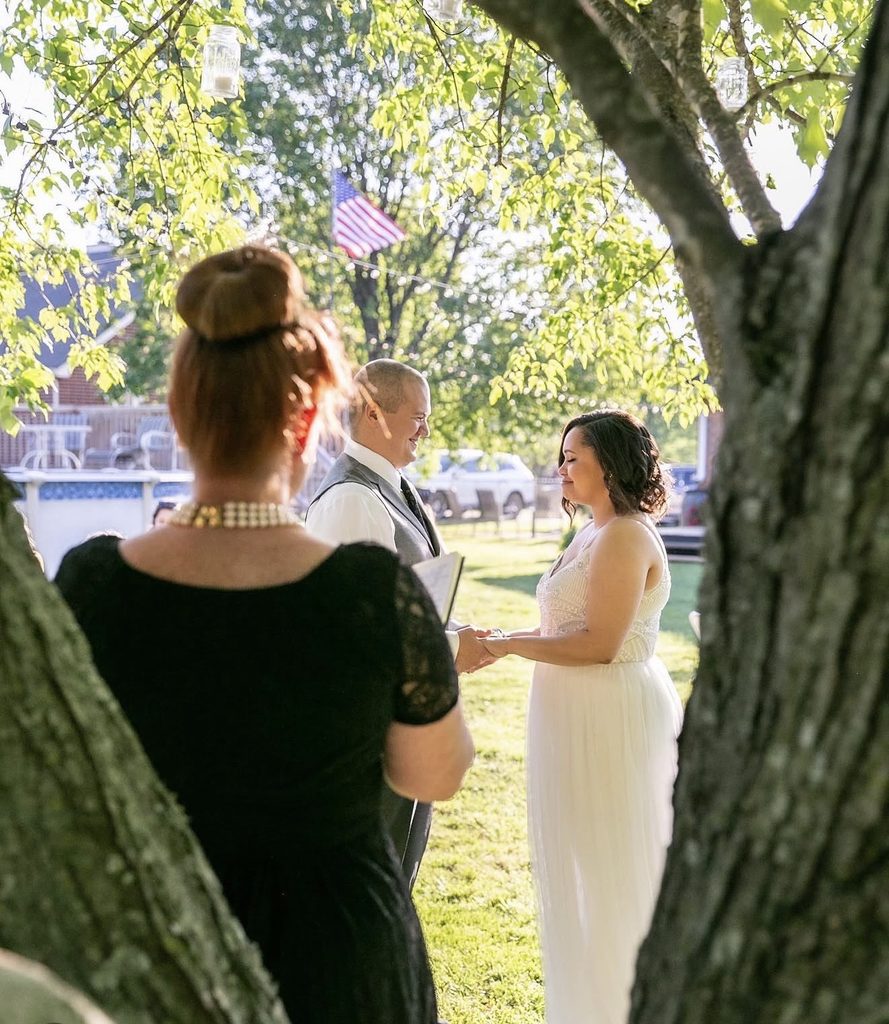

What does a Nashville wedding officiant actually do?
A Nashville wedding officiant does far more than recite vows and pronounce you married. A great officiant writes and delivers a personalized ceremony, guides you through Tennessee’s legal requirements, runs your rehearsal, and manages the emotional pacing of your ceremony so it feels natural rather than rushed.
Here’s the practical breakdown:
- Legal duties: Signing and filing your marriage license, and confirming your ceremony meets Tennessee’s requirements.
- Creative work: Interviewing you both, writing a custom script, and weaving in personal stories or cultural traditions.
- Ceremony leadership: Setting the tone, cueing readers or musicians, and keeping the timeline on track.
- Rehearsal coordination: Walking your wedding party through the flow so nobody’s guessing on the big day.
In Tennessee, officiants must be authorized to solemnize marriages—ordained ministers, certain public officials, and others recognized under state law all qualify. Always confirm your officiant’s credentials before booking.


What questions should I ask a wedding officiant before booking?
The questions you ask reveal whether an officiant will deliver a bespoke ceremony or a copy-paste script. These are the ones that matter most:
- How do you learn about us as a couple? The best answer involves a real conversation or questionnaire, not a form with three blanks to fill in.
- Can I see a sample ceremony script? This shows their writing quality and whether their style matches your vibe.
- Do you write custom vows and readings, or use templates? Custom is the goal for a personal touch.
- How do you handle the marriage license and legal filing? A seasoned officiant handles this seamlessly.
- Will you attend and lead the rehearsal? This keeps everyone calm and coordinated.
- How do you incorporate cultural or family traditions? Especially important if your celebration blends backgrounds or honors loved ones.
- What’s your backup plan if you get sick? Ask this. Emergencies happen, and pros have a plan.
If an officiant can’t answer these clearly, keep looking.

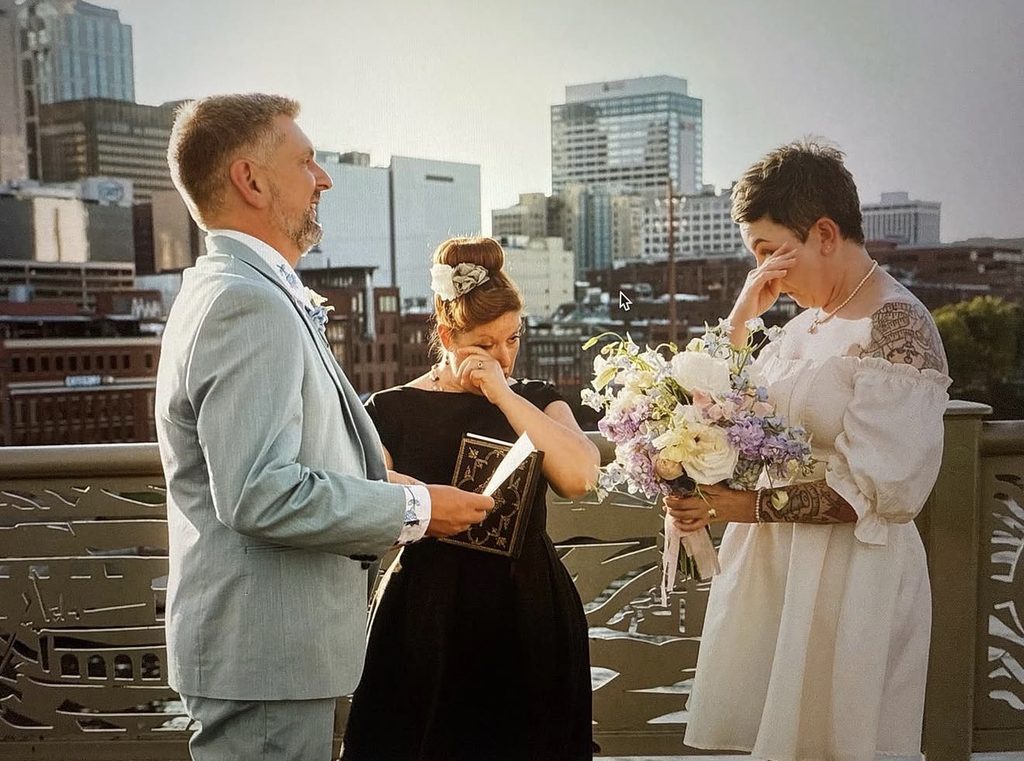
What makes a wedding ceremony memorable instead of forgettable?
Memorable ceremonies share three things: specificity, emotional honesty, and confident delivery. Forgettable ones rely on generic language that could apply to any couple on earth.
After 450+ ceremonies, here’s what I’ve learned separates the two.
Specific stories beat vague sentiment
“They’re perfect for each other” means nothing. “He learned to make her grandmother’s biscuits so she’d taste home every Sunday” means everything. The details you’d never guess are what make guests laugh, cry, and lean in. A great officiant digs for those moments.
Pacing and presence hold the room
A ceremony that drags loses people. One that races feels cold. The rhythm—when to pause, when to let a laugh land, when to slow down for the vows—comes from experience. This is where a seasoned Nashville wedding officiant earns their keep.
The ceremony should sound like you
If you’re laid-back and funny, your ceremony shouldn’t feel like a formal lecture. If faith is central to your relationship, it should be woven in with care. The words should feel like they belong to you—because they do.
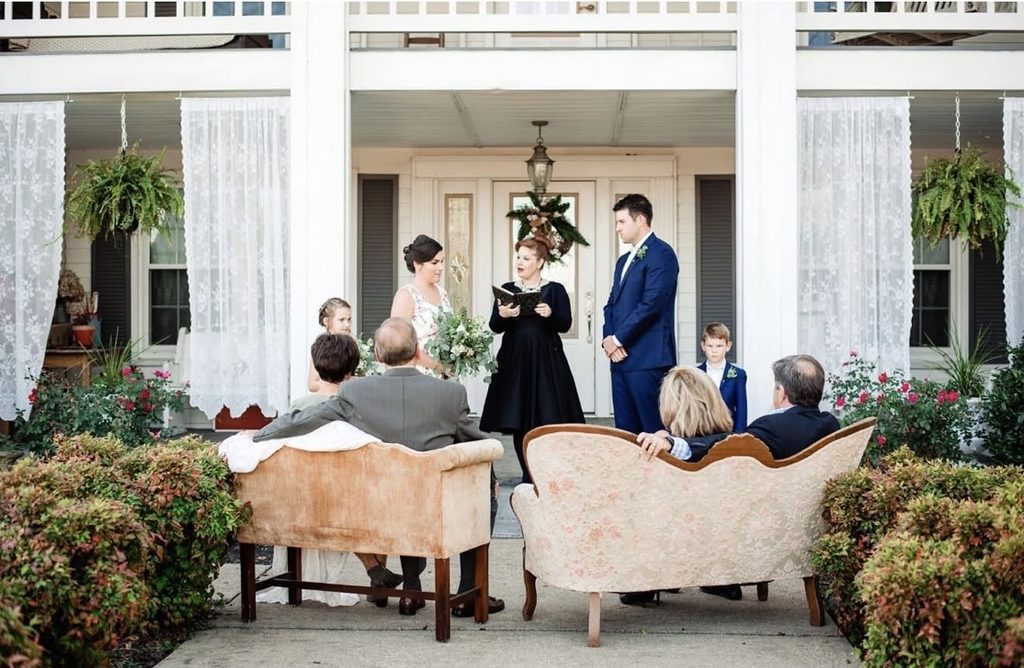

How much does a wedding officiant cost in Nashville?
Wedding officiant costs in the Nashville area typically range from about $300 to $800 or more, depending on experience, customization, and services included. Officiants who write fully custom ceremonies, attend the rehearsal, and manage all legal paperwork usually sit at the higher end—and for good reason.
Think of it this way: your officiant shapes the emotional heart of your day and handles the legal work that makes your marriage official. When you compare that to other line items in a wedding budget, a personalized ceremony delivers outsized value. Choose based on fit and quality, not the lowest price.


How far in advance should I book a Nashville wedding officiant?
Book your Nashville wedding officiant 6 to 12 months before your wedding date, especially for peak season (spring and fall). Popular officiants book up fast, and earlier booking gives you more time to collaborate on a truly personalized ceremony.
If your timeline is shorter, don’t panic—experienced officiants can often work on tighter schedules. But the sooner you lock in your date, the more room you’ll have for the meetings and revisions that make a ceremony sing.

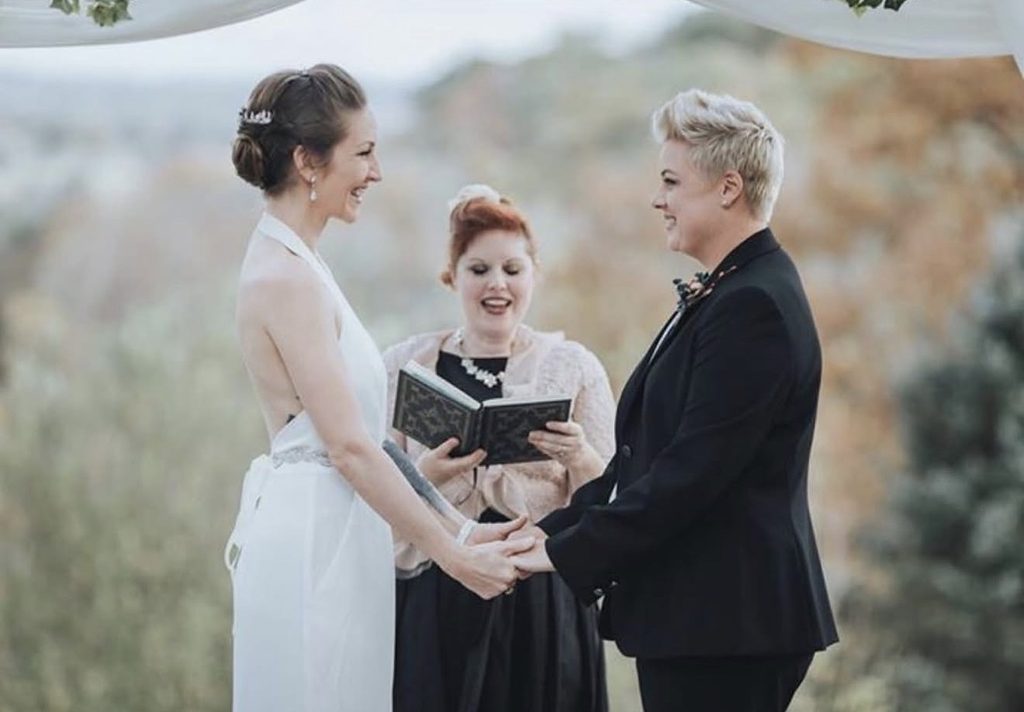
Should you choose a friend or a professional officiant?
Choose a professional officiant if you want a polished, stress-free ceremony with guaranteed legal accuracy; choose a friend only if they’re genuinely comfortable with public speaking, writing, and Tennessee’s legal steps. Both paths can work—but they carry different risks.
A close friend brings a personal connection that’s hard to beat. The trade-off is inexperience: nervous delivery, unclear pacing, or missed paperwork can undercut the moment. Some couples get the best of both by having a friend share a reading while a professional leads the ceremony and handles the legal side.
Choose a professional if a smooth, memorable ceremony matters more to you than the novelty of a friend at the mic.
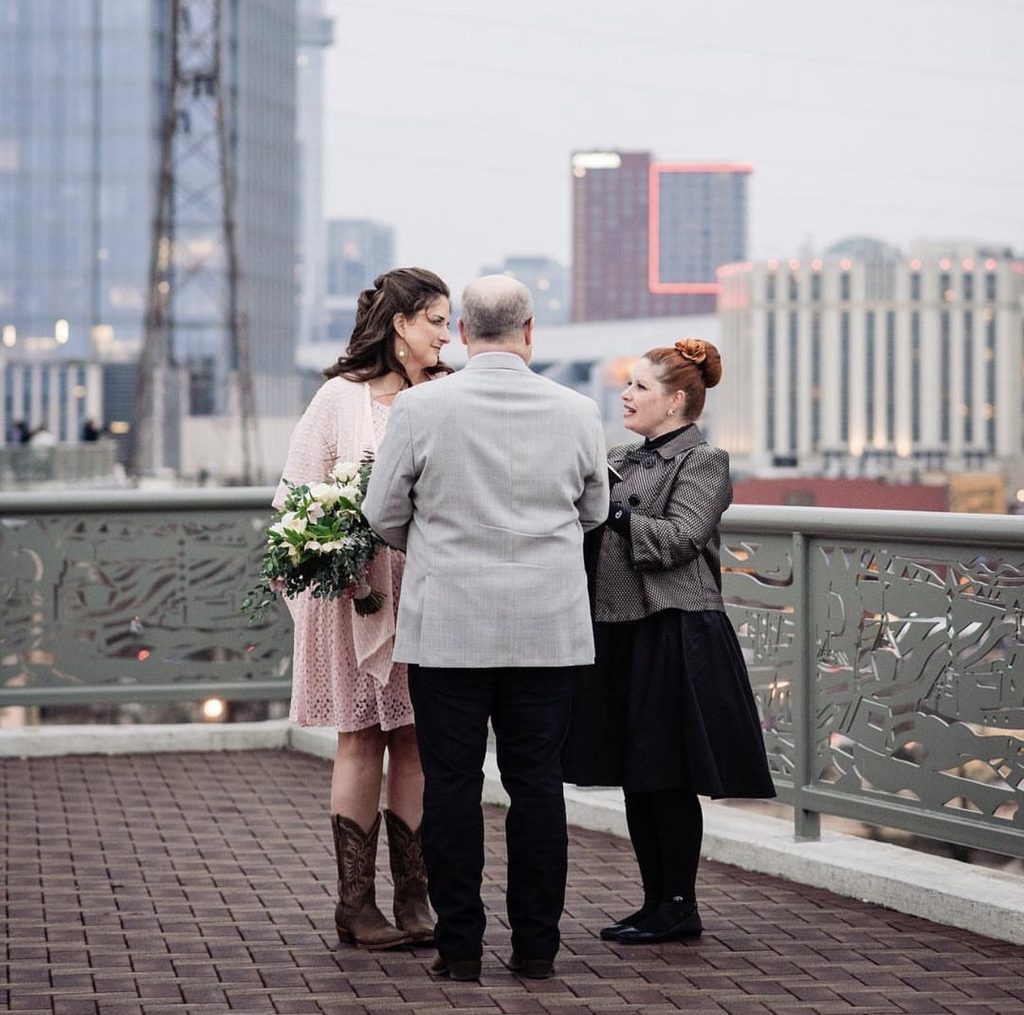

Bringing it all together for your Nashville wedding
Your officiant is one of the few vendors who touches the emotional core of your entire day. Take the time to find someone who listens closely, writes with heart, and leads with confidence. Ask the hard questions, request a sample script, and trust your gut on whether their style matches yours.
Ready to take the next step? Start reaching out to Nashville wedding officiants now, book an introductory call, and pay attention to how they make you feel in that first conversation. If they’re curious about your story from minute one, you’re on the right track—and well on your way to a ceremony your guests will remember for years.

Frequently asked questions
Is a wedding officiant legally required in Tennessee?
Yes. Tennessee requires an authorized officiant—such as an ordained minister or certain public officials—to solemnize your marriage and sign your marriage license. Always confirm your officiant is legally authorized before booking.
Can I write my own vows if I hire a professional officiant?
Absolutely. Most professional officiants encourage personal vows and will help you shape, structure, and time them. They can also weave your vows into the larger ceremony so everything flows naturally.
How long does a typical wedding ceremony last?
Most Nashville wedding ceremonies run 20 to 30 minutes. Shorter ceremonies (around 15 minutes) work well for civil or intimate weddings, while ceremonies with religious elements, multiple readings, or cultural traditions may run longer.
Do wedding officiants attend the rehearsal?
Experienced officiants usually attend and lead the rehearsal, walking your wedding party through the ceremony flow. Confirm this is included, since it dramatically reduces day-of stress and keeps everyone coordinated.
What’s the difference between an officiant and a minister?
A minister is typically ordained within a religious tradition, while “officiant” is a broader term covering anyone legally authorized to perform a wedding—religious or secular. Both can lead your ceremony as long as they’re authorized under Tennessee law.