

Hindu Wedding Traditions

Hindu Wedding Traditions
Hindu weddings are vibrant, intricately planned, rich in culture with festivities full of celebration and tradition. The very essence of a Hindu wedding ceremony is the physical, spiritual, and emotional union of two people. It’s also about the coming together of two families through prayer and celebration. Hindu wedding traditions lie somewhere between the couple’s expectations and the blending of their family traditions. Many rituals and smaller ceremonies lead up to the main ceremony. They bind the couple and both families for eternity.
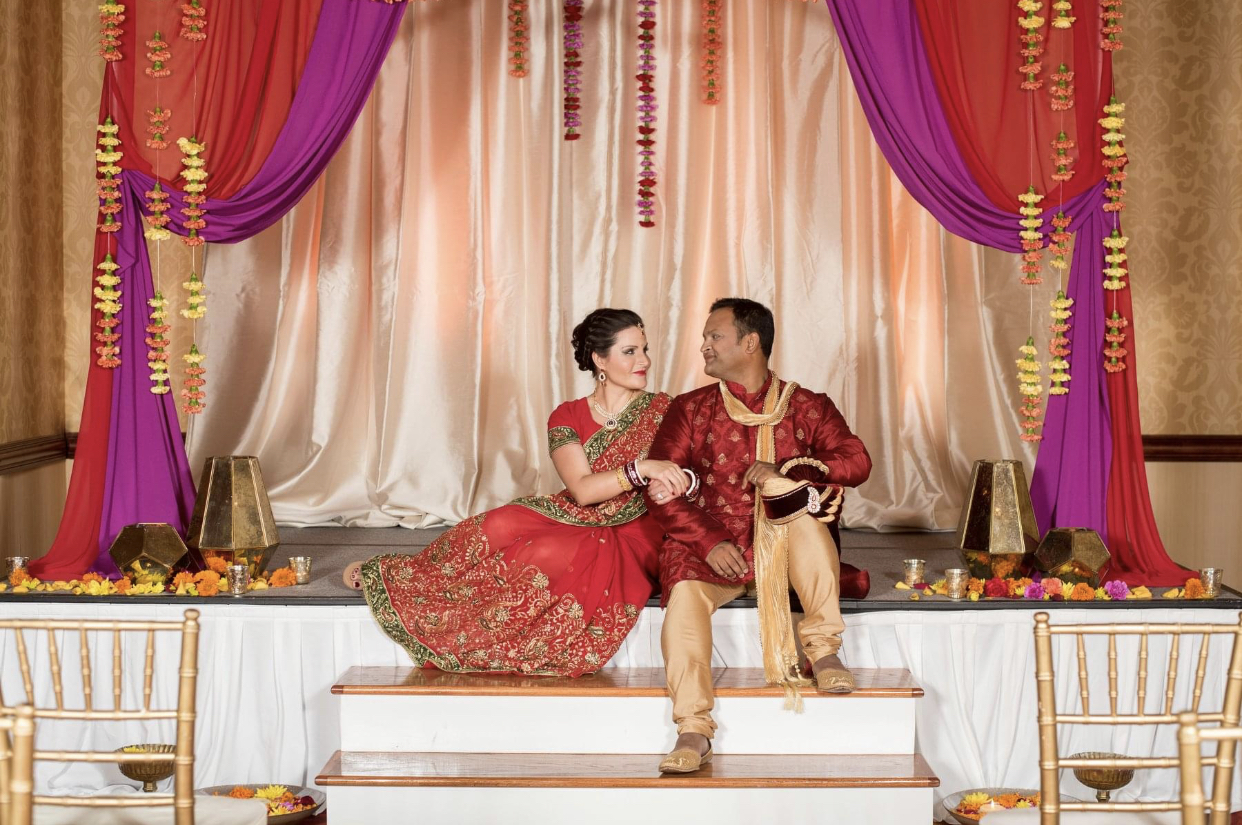
Whether you’re invited as a guest, attending as a member of the wedding party, or are simply curious, there are a few Hindu wedding rituals and traditions you should expect to see. Just remember, you won’t be alone. An intimate Hindu wedding can consist of an average of about 150 to 200 guests. You don’t only invite friends and family but, at times, the entire community from your hometown. This number can lead into the thousands. Wondering what else you need to know before attending a Hindu wedding? Here are some frequently asked questions about Hindu Wedding Traditions.
What should I wear to a Hindu wedding?
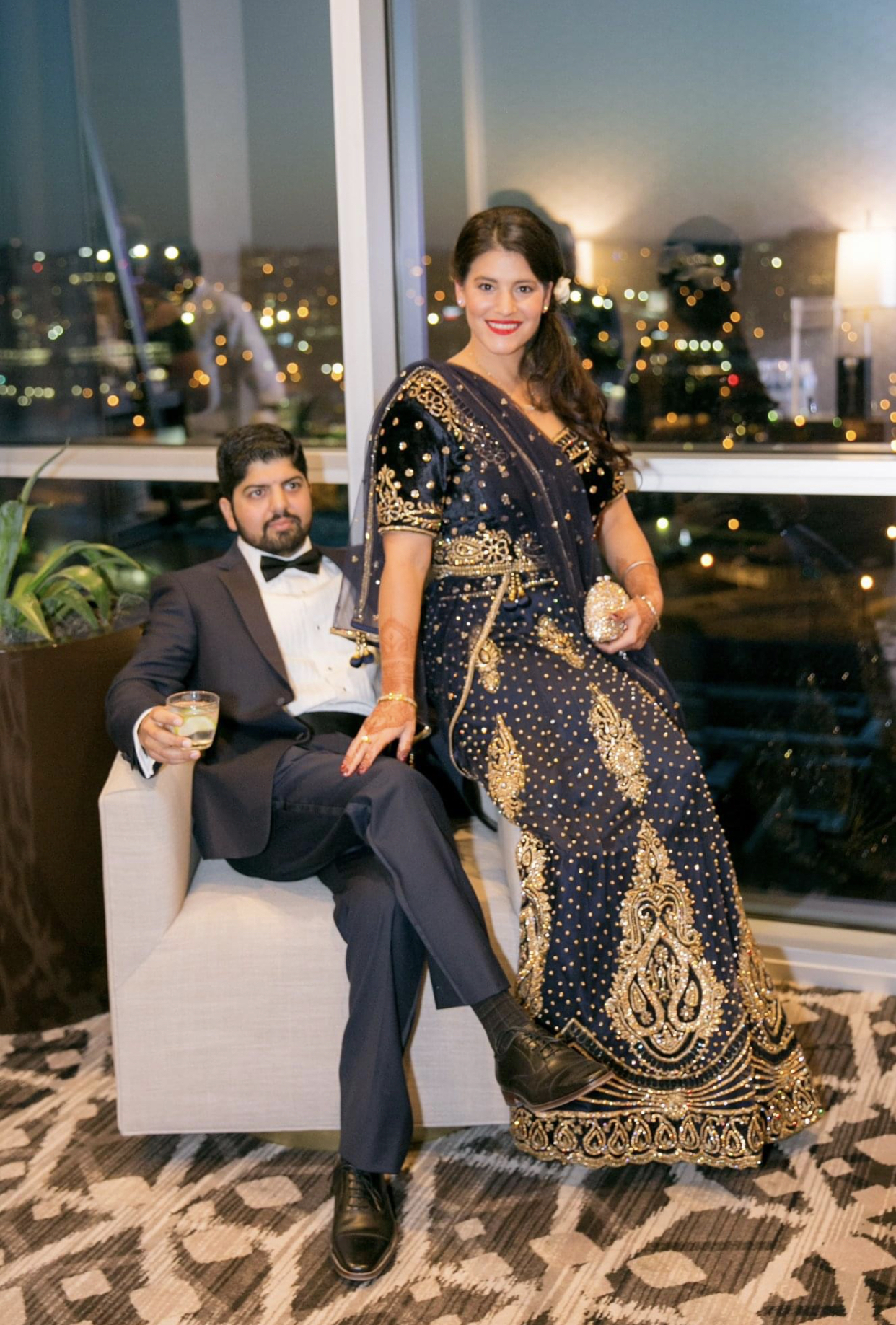
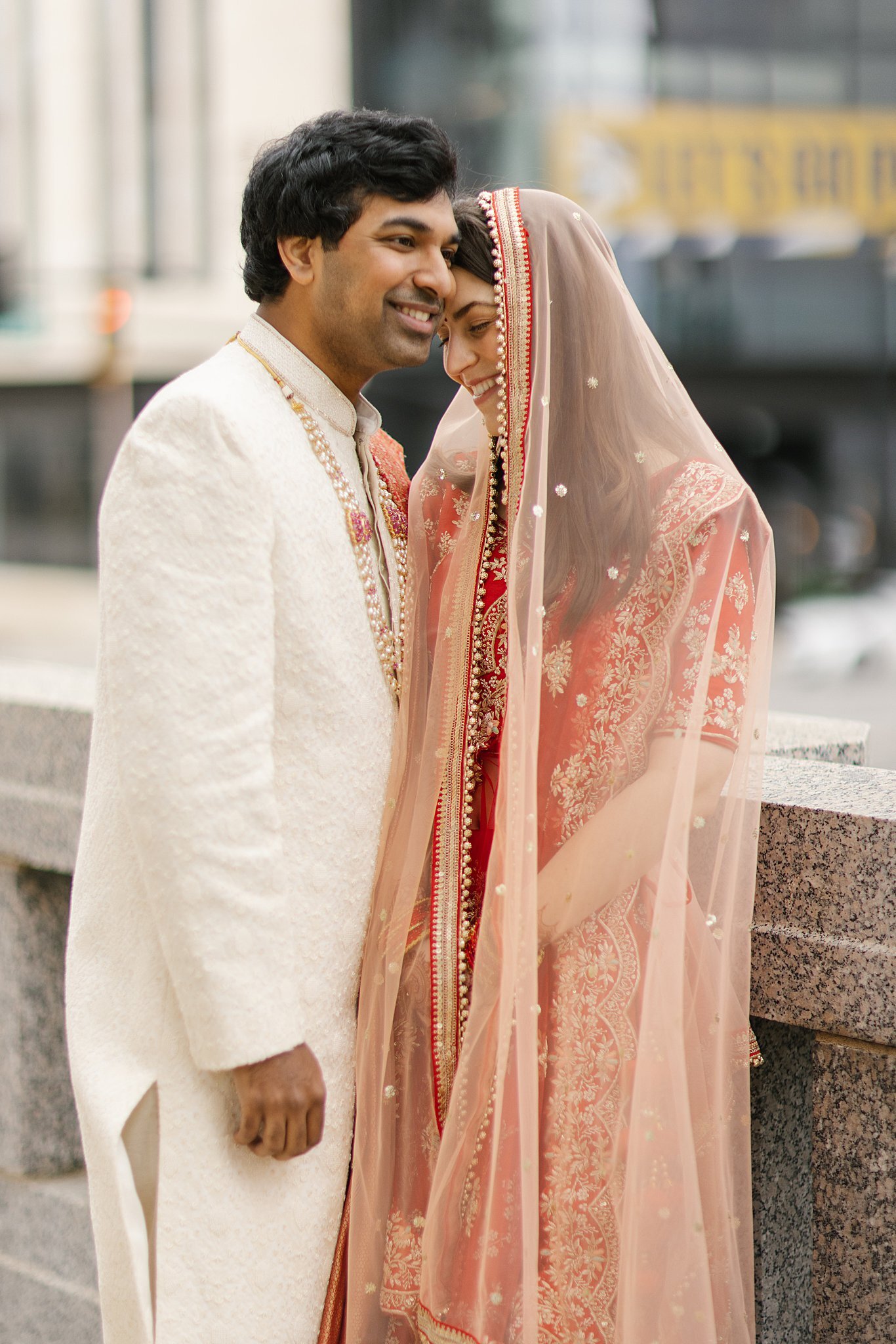
It’s common for guests to wear traditional Indian clothes, like sarees or lenghas for women. Men wear long-sleeved tunics and pants. Essentially, you should assemble each event outfit as if you were outdoing yourself from the last event. Save your most glamorous outfit for the day of the wedding ceremony and reception. If you decide to go with a more Western option, remember that women should have their shoulders, legs, and occasionally arms covered. Men should wear long sleeves and long pants. Both men and women need to bring something to cover their heads during the ceremony. Bold, vibrant colors are heavily encouraged. Be sure to stay away from white as it is associated with funerals. According to Hindu wedding traditions, black is considered unlucky. Red as that is traditionally the color the bride wears.
How long is a Hindu wedding?
The events of a Hindu wedding normally take place over the span of three days. Different events take place each day. The main ceremony and reception are on the third day. The sangeet is held during the second day and is attended by most of the guests. The Ganesh Pooja ceremony commences the wedding events on the first day. It is usually an intimate event with only close family in attendance. Be prepared for early morning events as Hindu wedding traditions and celebrations are based on auspicious times. They are predetermined by the priest.
Will the newlyweds kiss?
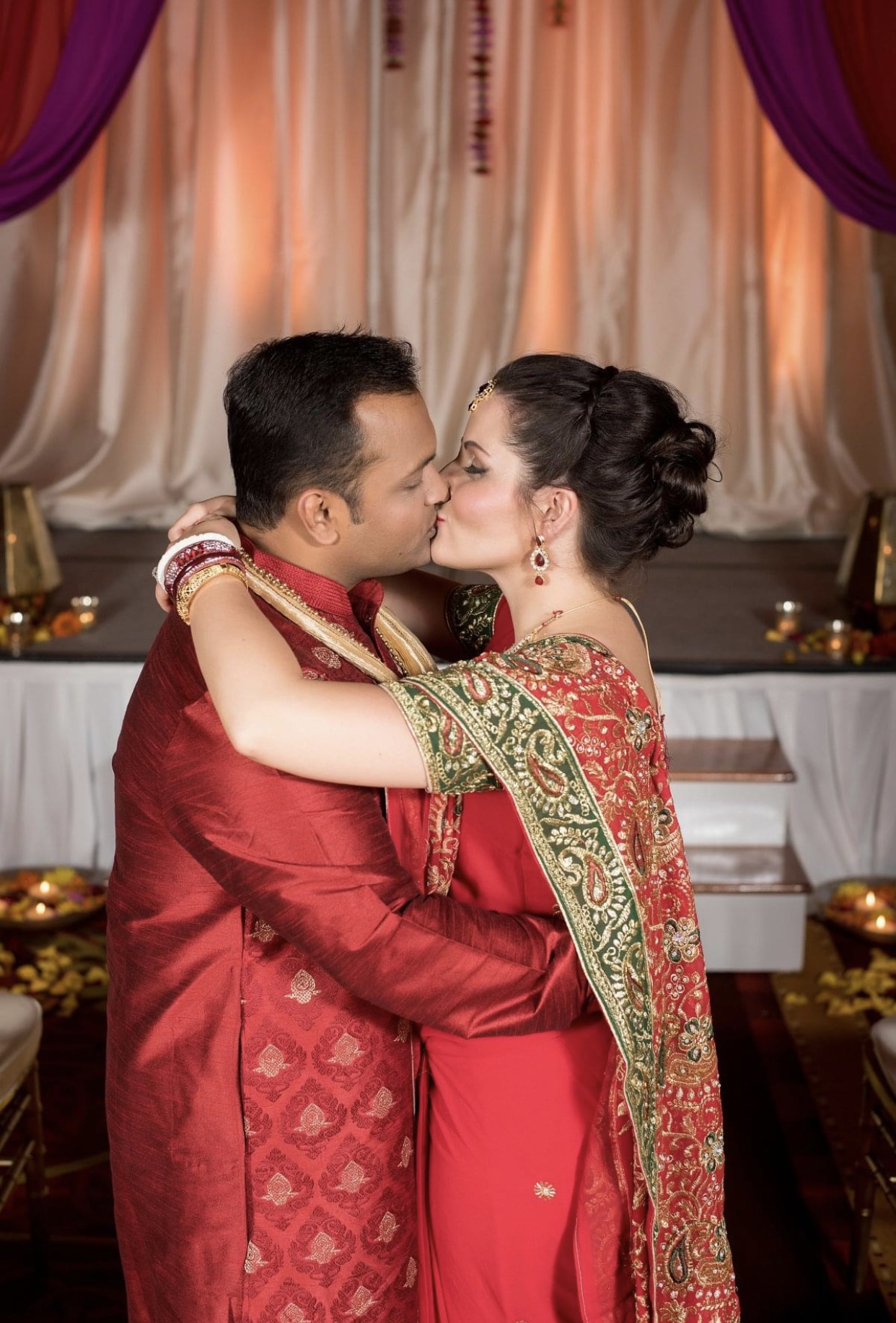
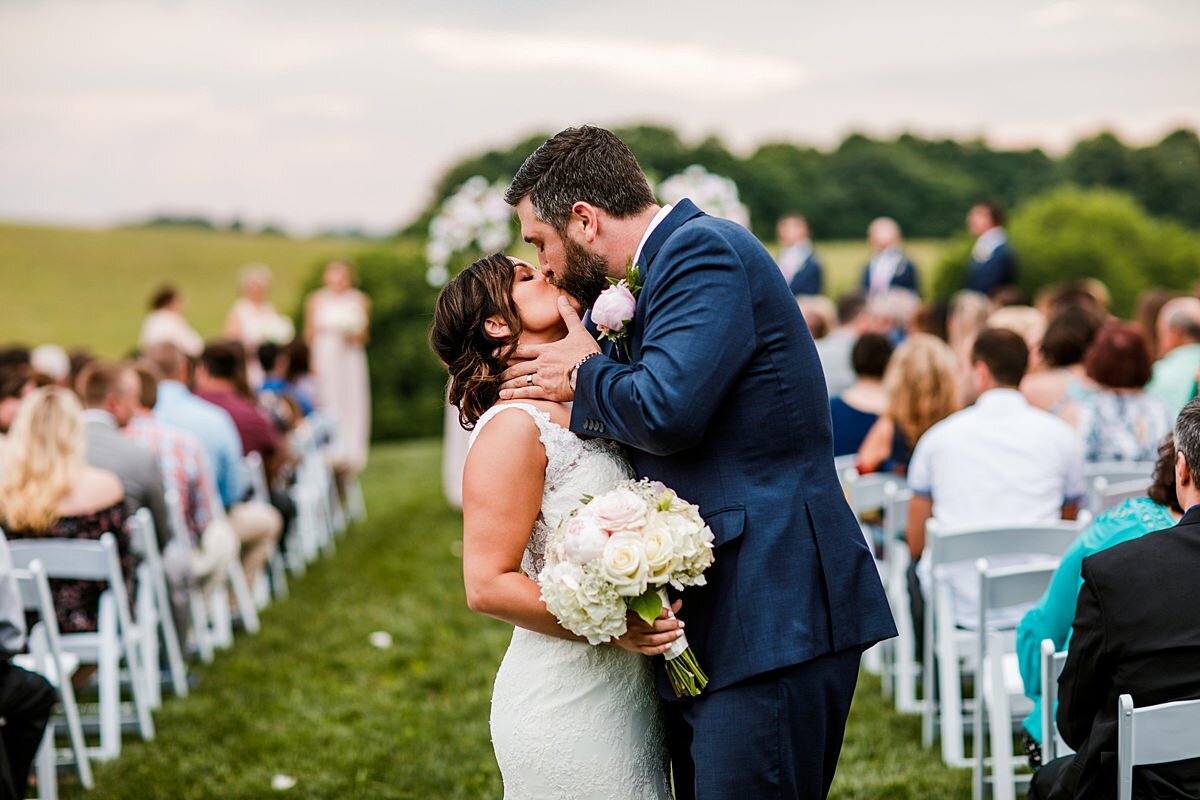
Traditionally, there is no kiss at the end of a Hindu wedding ceremony. This is a result of the predominantly conservative culture. However, this varies greatly on the couples as well as their families. In the case of whether the newlyweds will exchange a kiss.
Will there be alcohol?
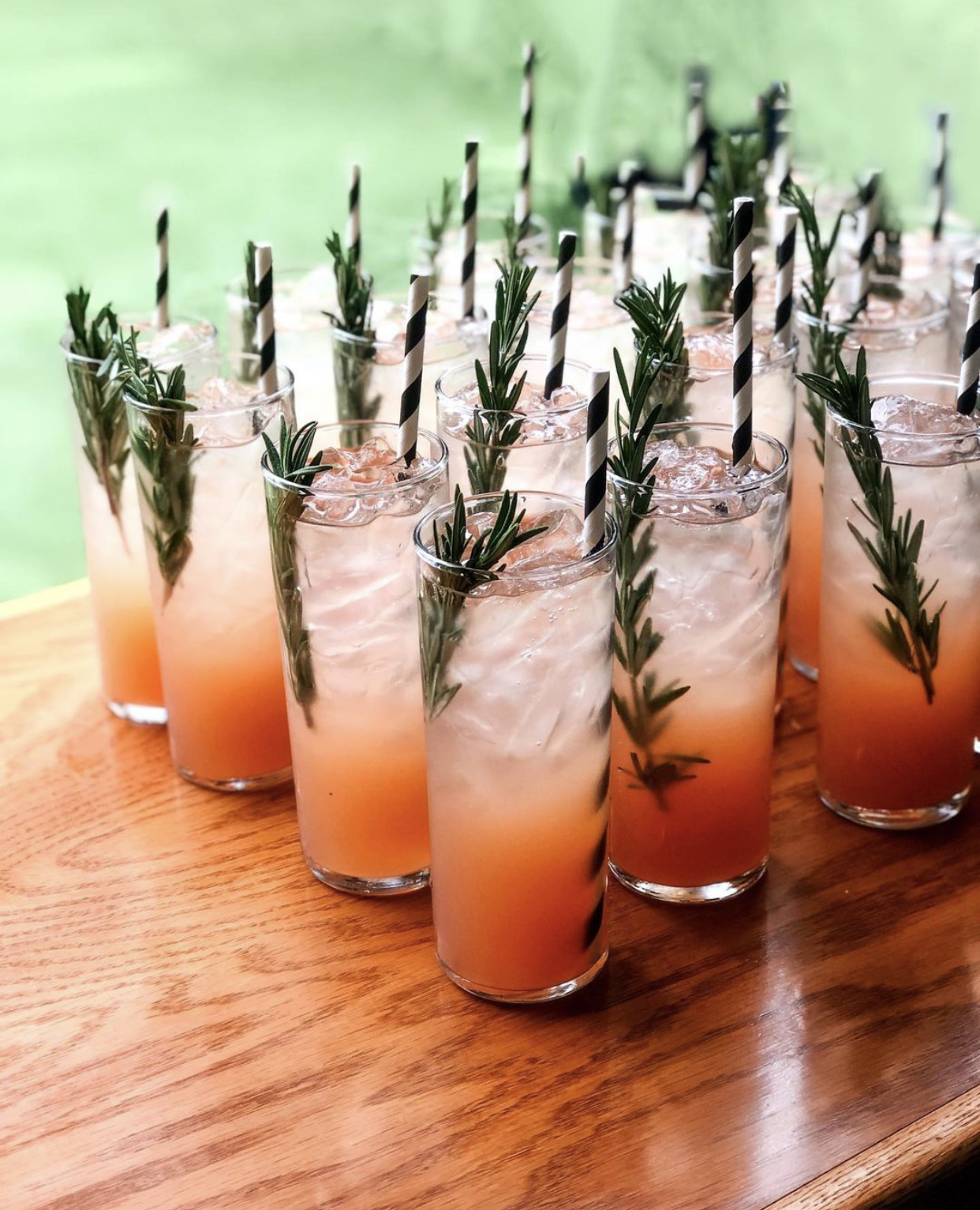
It’s important for attendees to know that there is no alcohol served prior to the Hindu wedding ceremony. The ceremony is impactful in many religious traditions and customs starting at one-and-a-half hours leading into a three-hour-long ceremony. While traditionally the wedding reception is also alcohol-free, many modern-day couples and families are breaking away from this.
Should I bring a gift?
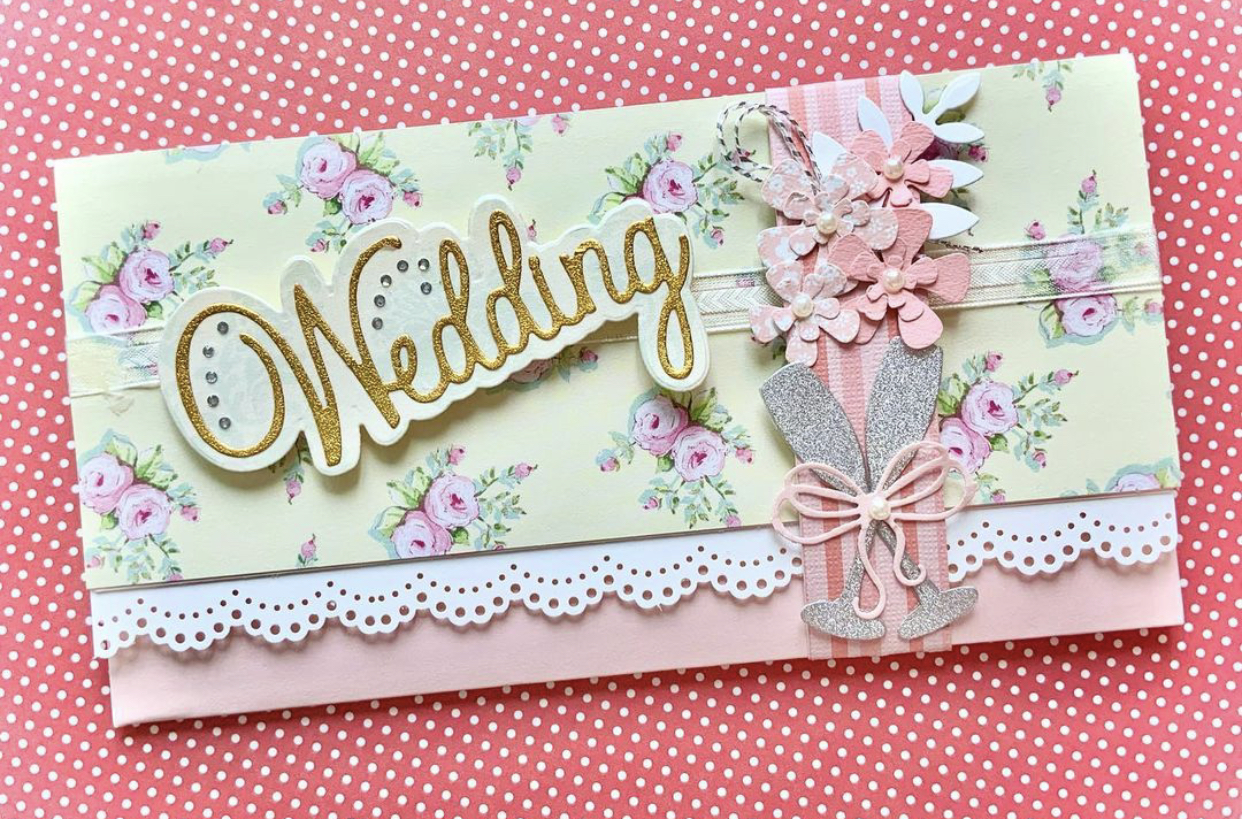
Gifts are usually not brought to a ceremony, though this can vary. If you intend to gift something to the couple, have it shipped to their home. The only exception is if you intend to present them with a monetary gift. In this case it would be given in an envelope at the wedding reception.
Everyone Performs at the Sangeet
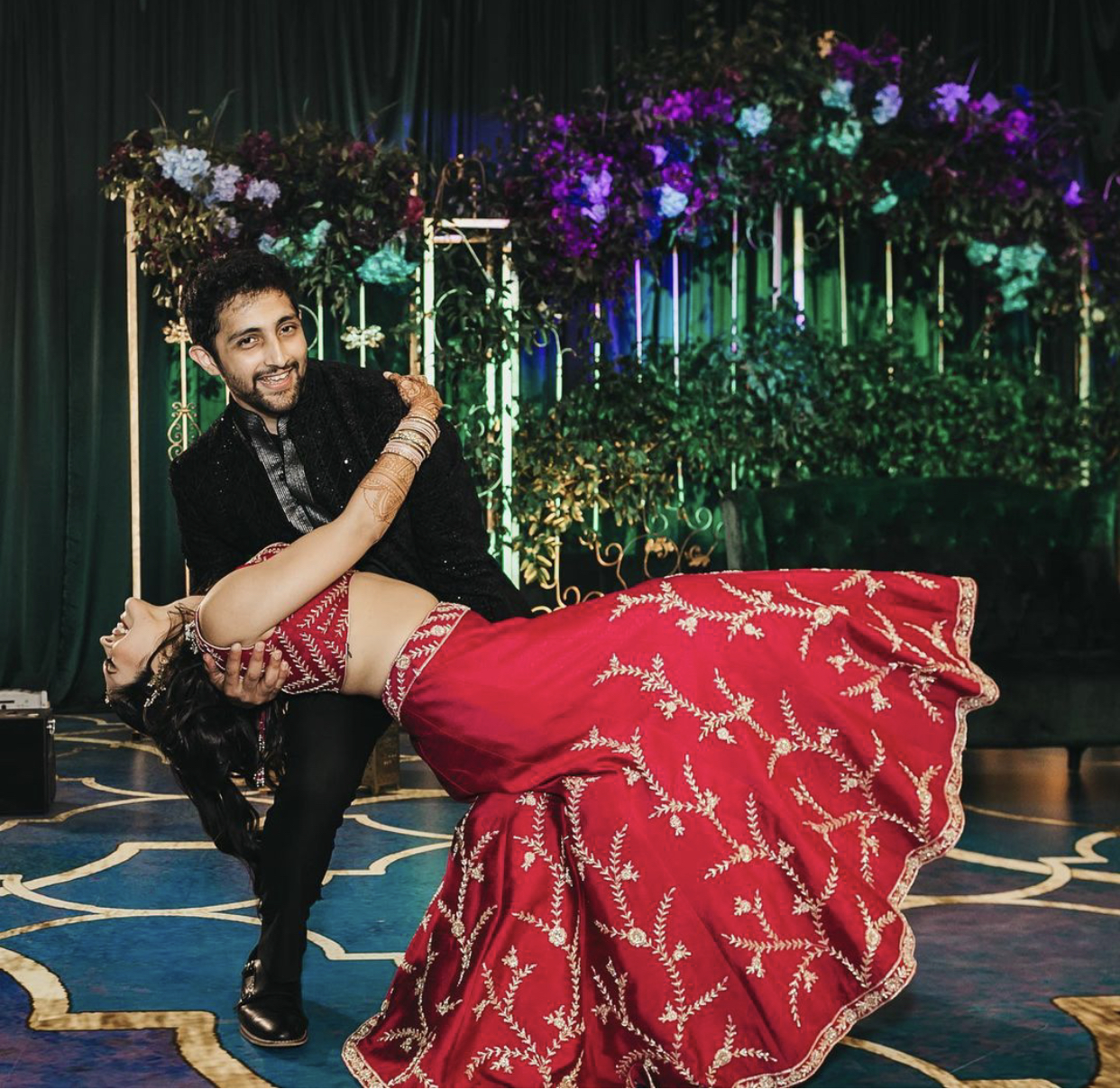
Prior to the actual wedding, there is a fun Hindu wedding tradition. A gathering called the sangeet or garba is where families comes together. They sing, dance, and revel in the joy of the upcoming union. Fittingly, sangeet directly translates to “sung together.” Each side of the family sings a traditional folk song to welcome the other. Family members may even give full-blown performances in celebration and cheeky competition.
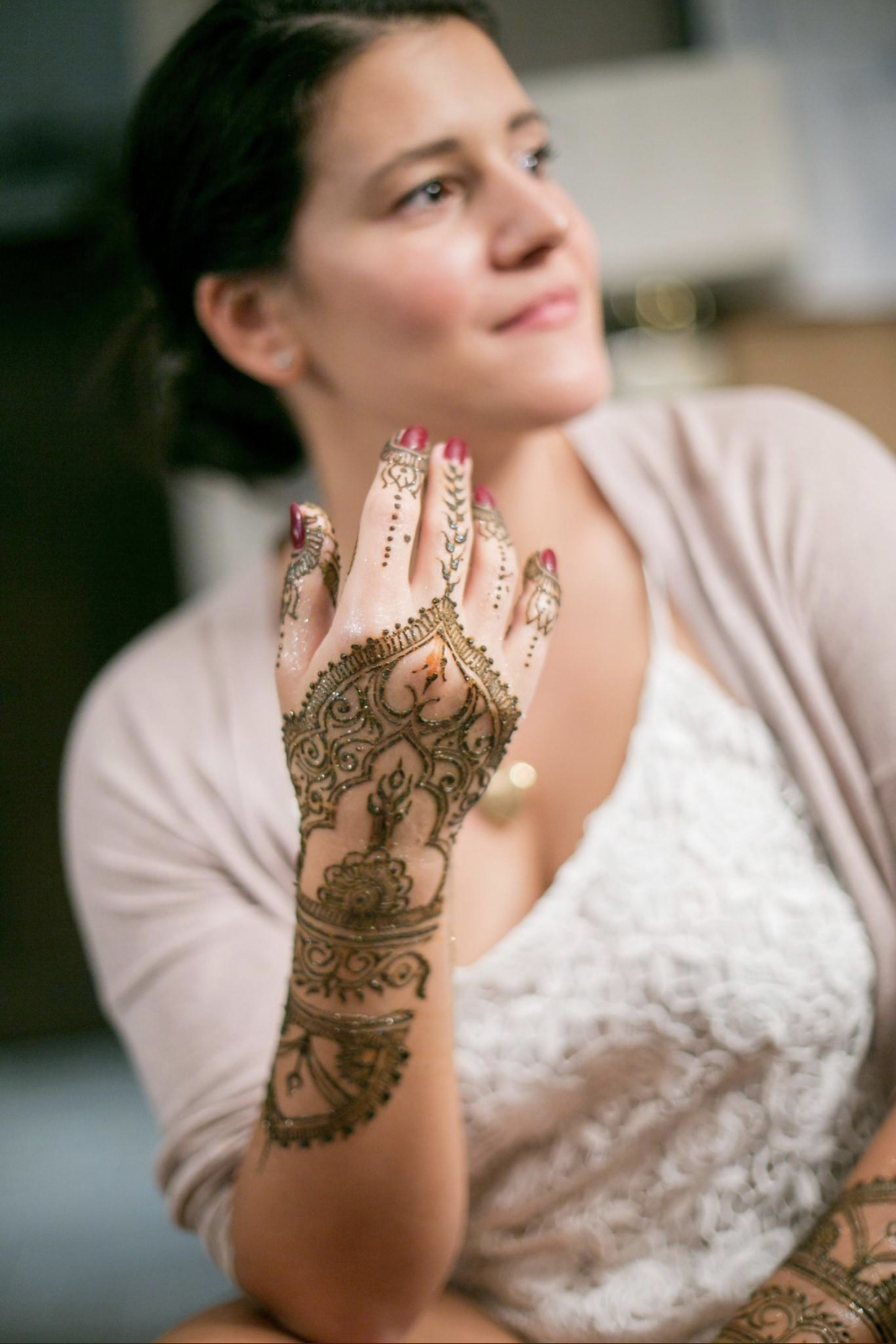
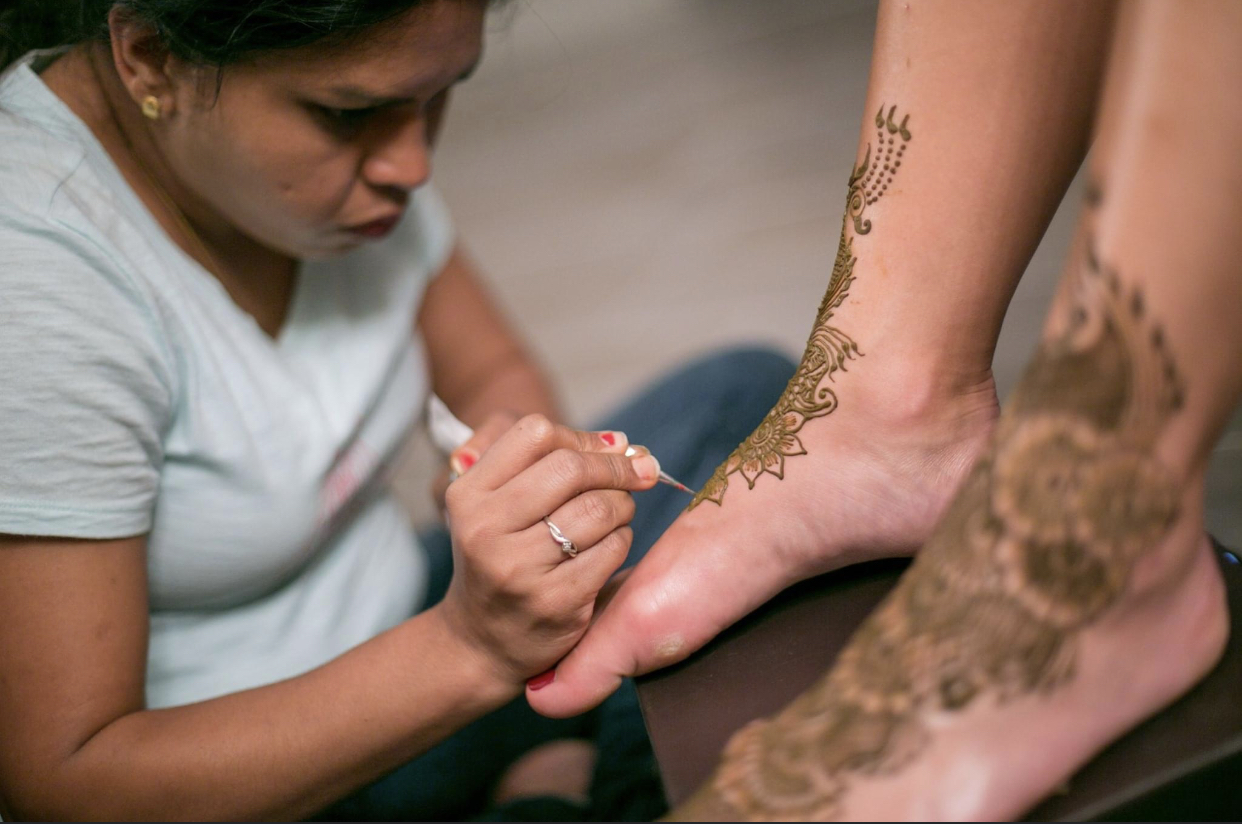
The Bride’s Hands and Feet Are Adorned With Henna
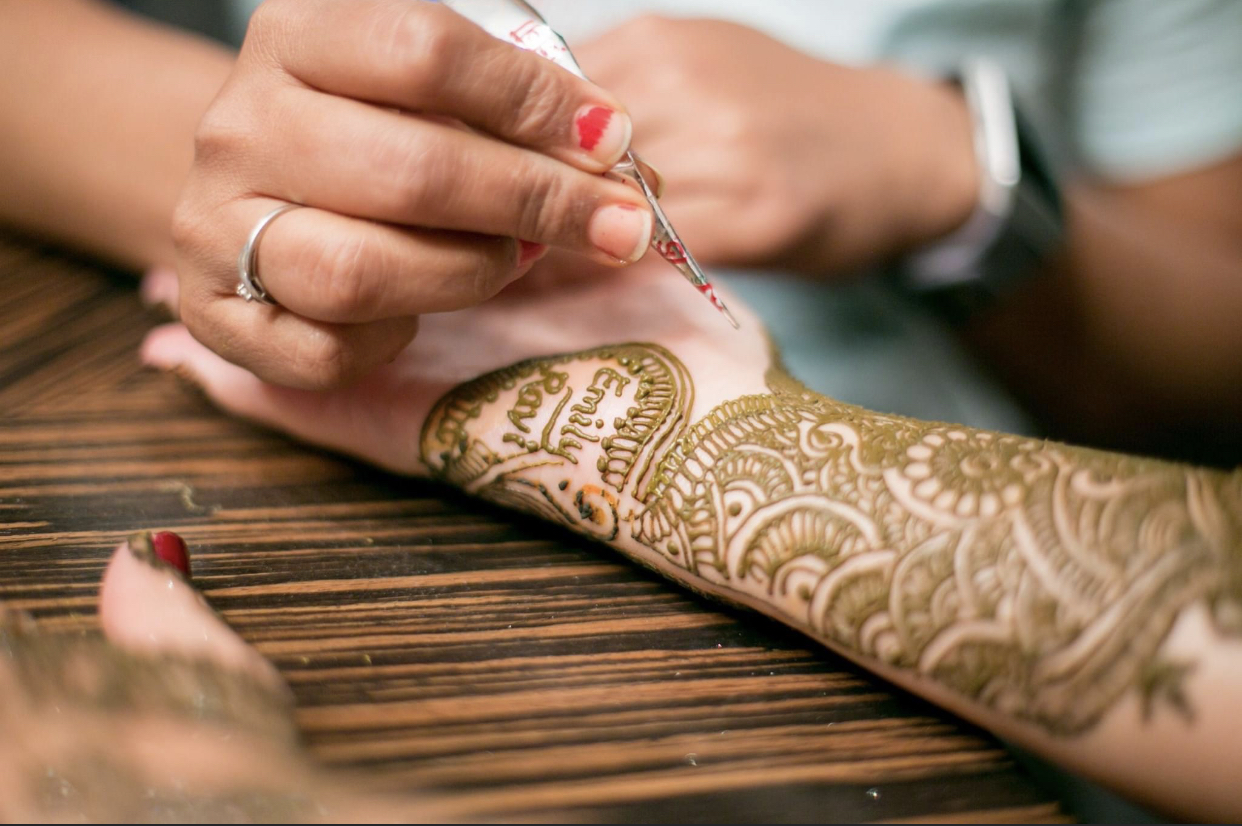
The mehndi ceremony is a beautiful Hindu wedding tradition. A big party traditionally only attended by the bride’s close female friends and family member, kicks off the wedding itself. The event usually takes place one day before the nuptials. This is the same day as the sangeet, as the process can take hours. During the festivities, henna paste is used to apply intricate designs of temporary decorative art to the bride’s hands and feet.
The designs usually reflect floral motifs. It’s also common to hide her partner’s name within the artwork and watch as they try to find it later. This process is believed to reflect the amount of patience that will be present in their marriage. In fact, many Hindu beliefs focus on the meaning revealed by the color of the wedding henna. The first one is that the darker the henna the more a mother-in-law will be fond of her daughter-in-law. Others are that the darker the henna, the stronger the marriage or the more the husband will love the wife.
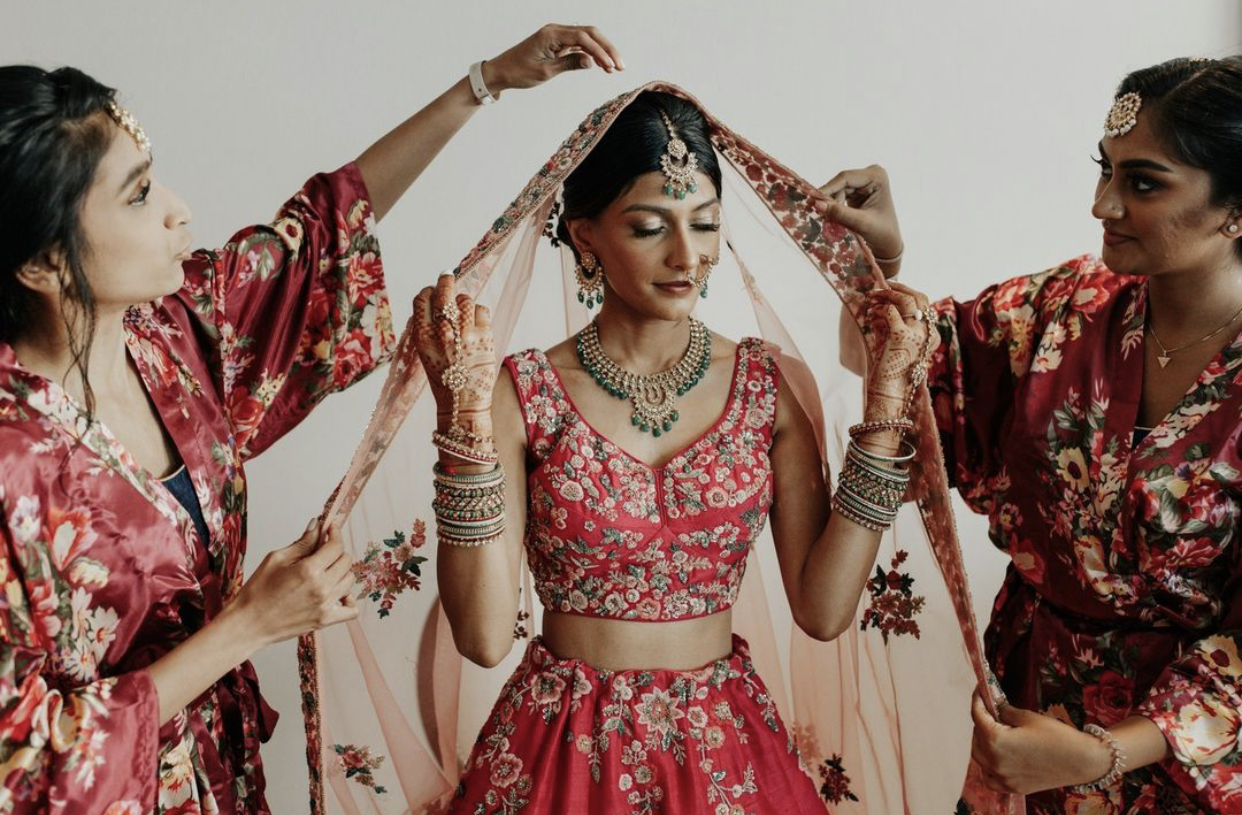
The Bride Wears a Red Dress
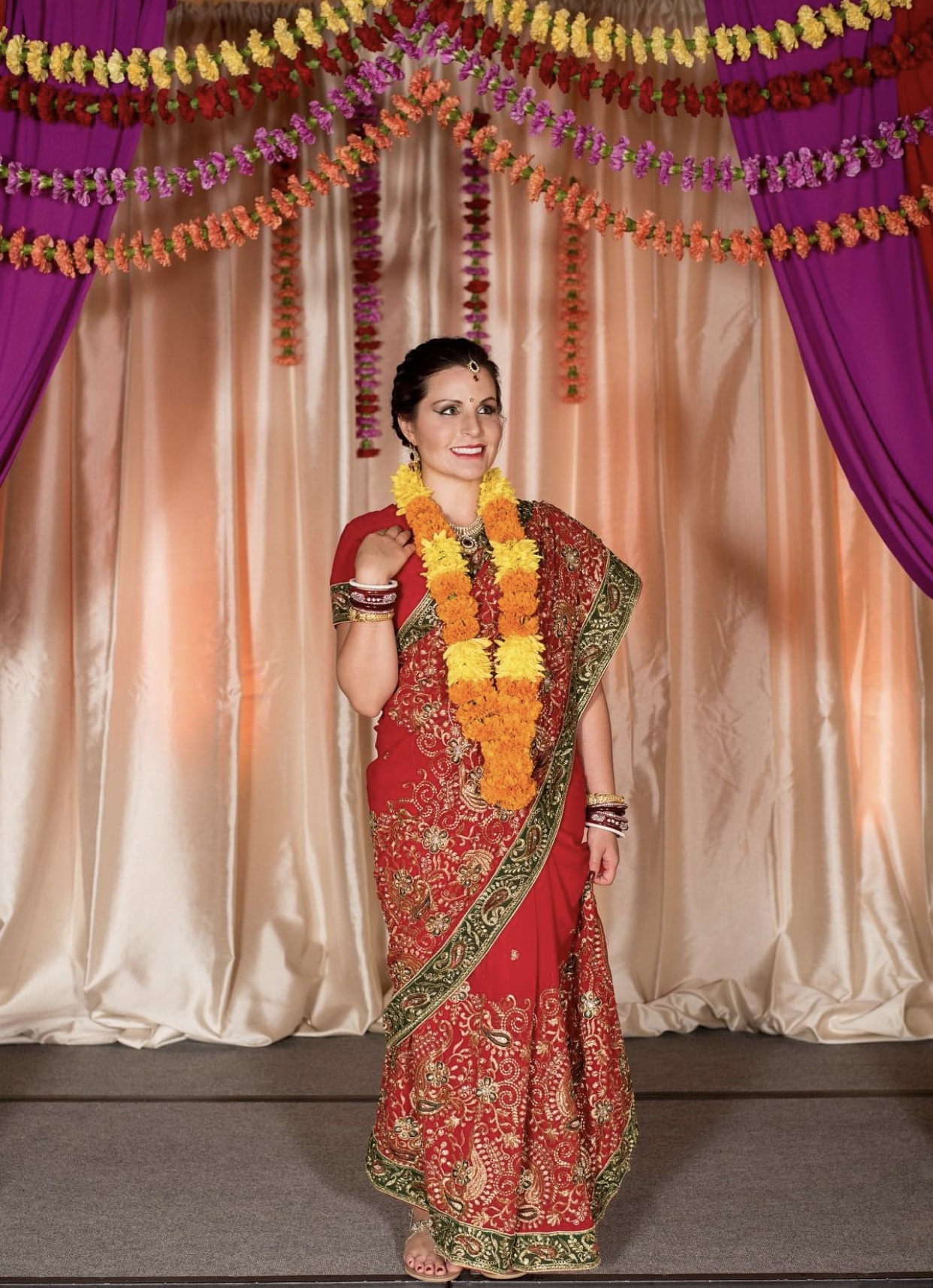
Don’t expect a bride in white at a Hindu wedding! Traditionally, a South Asian bride will wear a red sari or a modern lengha. The beautiful patterns and richness of the color with gold embroidery in her outfit symbolize commitment and fertility. Many modern brides also choose to don a variety of rich, saturated hues. Anything from pastel floral prints to bright yellows and bold blues emblazoned with sumptuous embroideries.
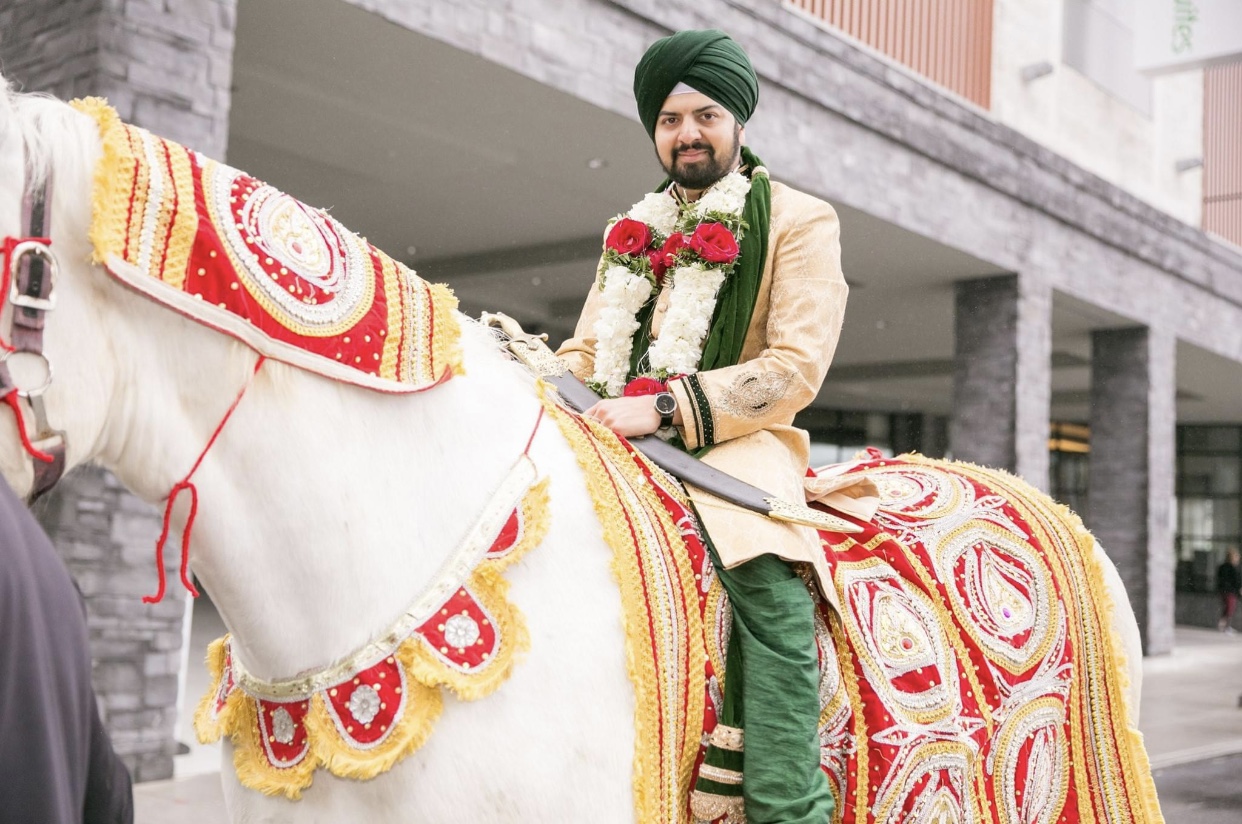
The Groom’s Arrival Is a Celebration in Itself
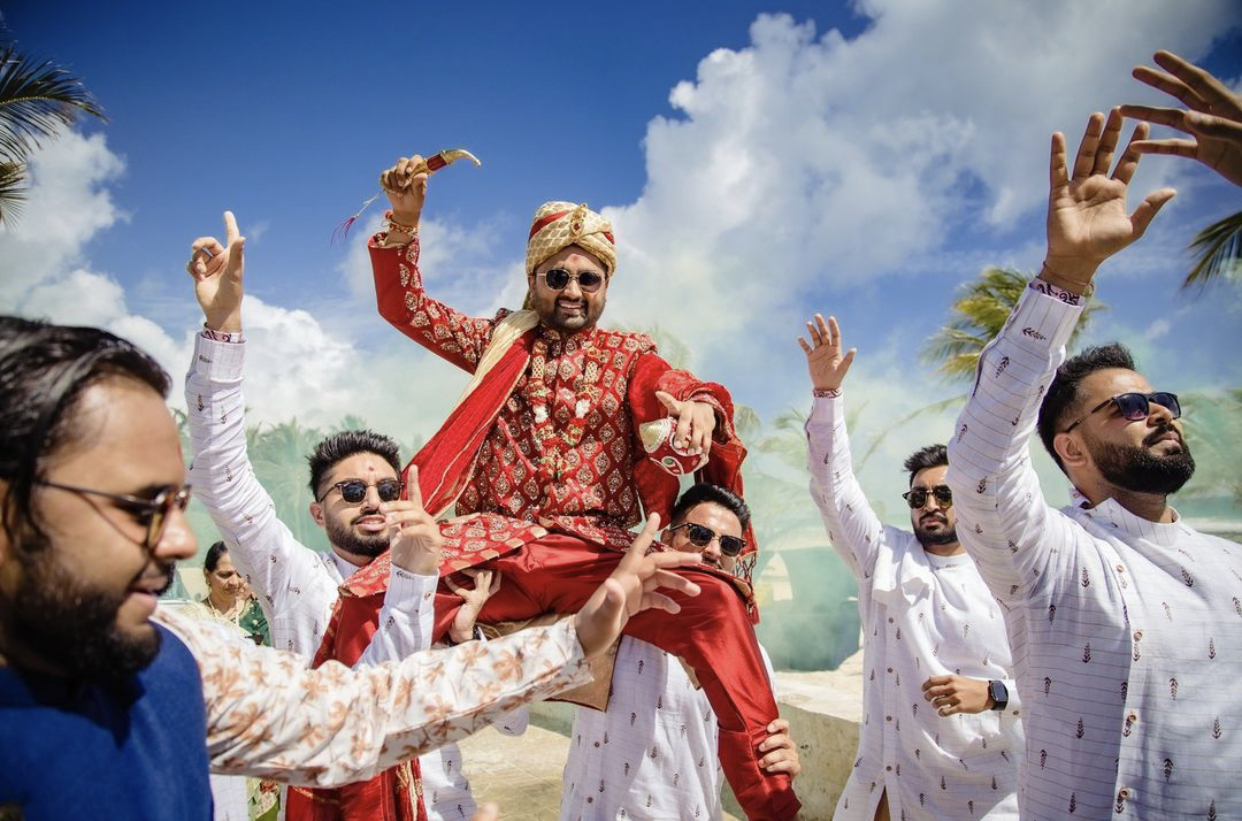
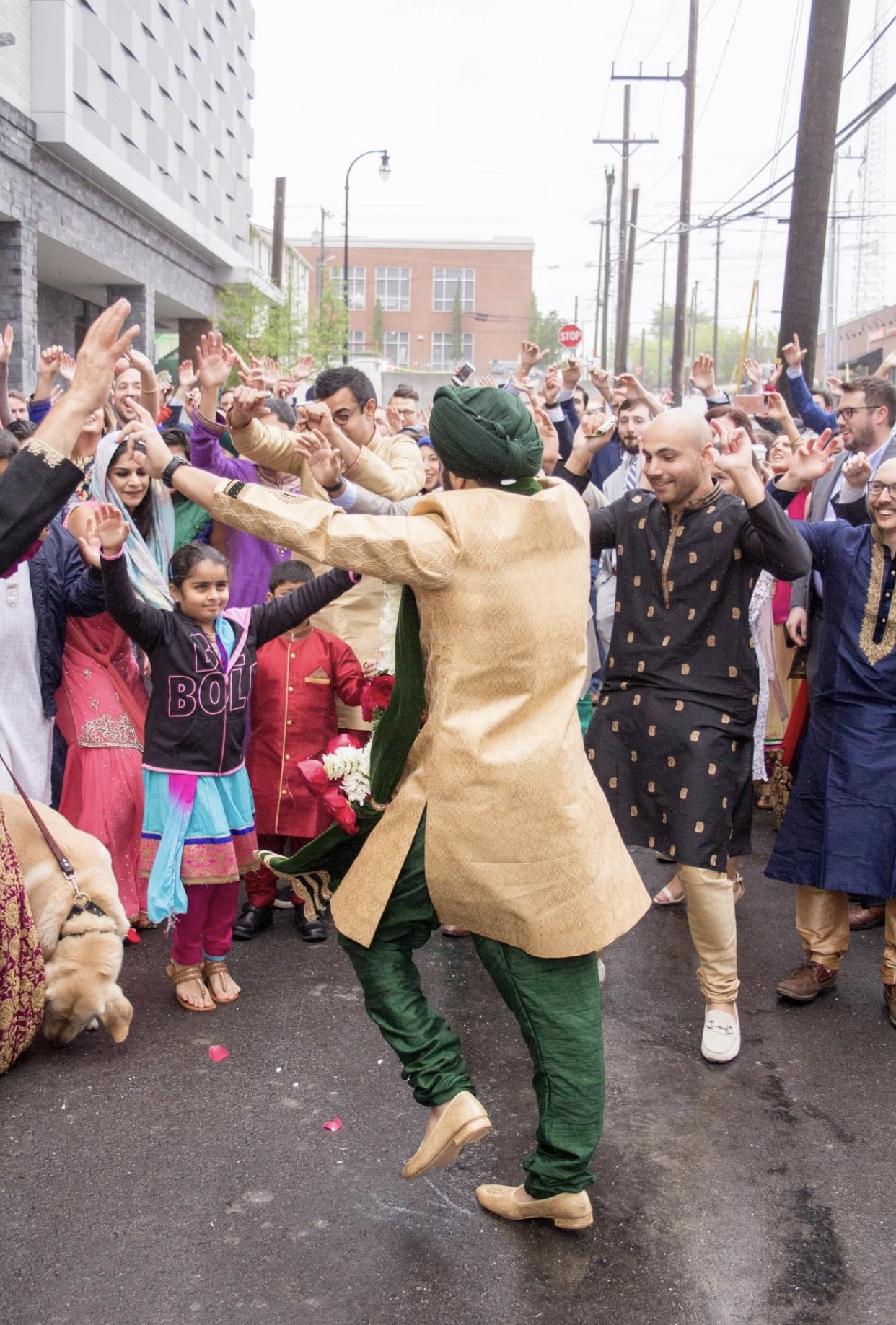
The arrival of the groom and his party to the ceremony site, called the vara yatra or baraat. This depends on the region. It is celebrated with great joy. As guests arrive, they are divided into the bride and groom’s side. The bride’s side will be directed to a meeting place while the groom’s guests join him on his processional entry. This means that upon arrival, the groom’s guests will be redirected. They will join the ‘mini parade’ instead of going straight to the ceremony location. They are greeted by the parents, family, and friends amidst live music and dancing. The party is welcomed with a special rice toss. This is known as akshat. The groom is presented with a plate carrying a lit lamp or arati, and a garland. Sometimes a tilak, or dot on the forehead, is also administered.
The Father of the Bride Gives Her Away
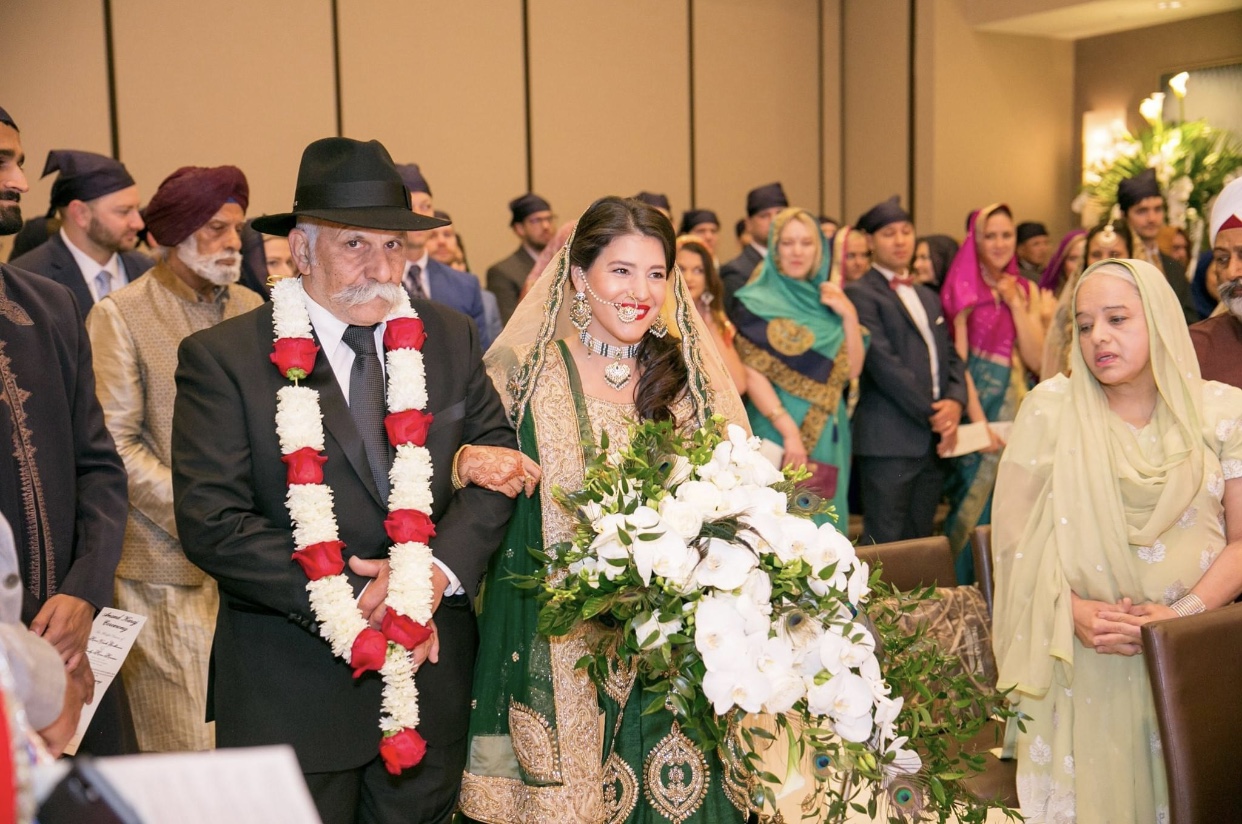
The bride will be led to the ceremony by either her brothers or uncles. The moment the father gives the bride away is known as the kanyadaan. In the Hindu tradition, no groom can claim a bride until she is offered. During the ceremony, the father of the bride places his daughter’s hands into her soon-to-be spouse’s hands. This is a gesture of giving her away. The mother of the bride may also pour water into the bride’s hand. This will flow through her fingers and into the hand of her partner. Alternately, the mother of the bride can pour water into her husband’s hand. This will then flow into the hands of the newlyweds.
The Couple Weds Under a Mandap
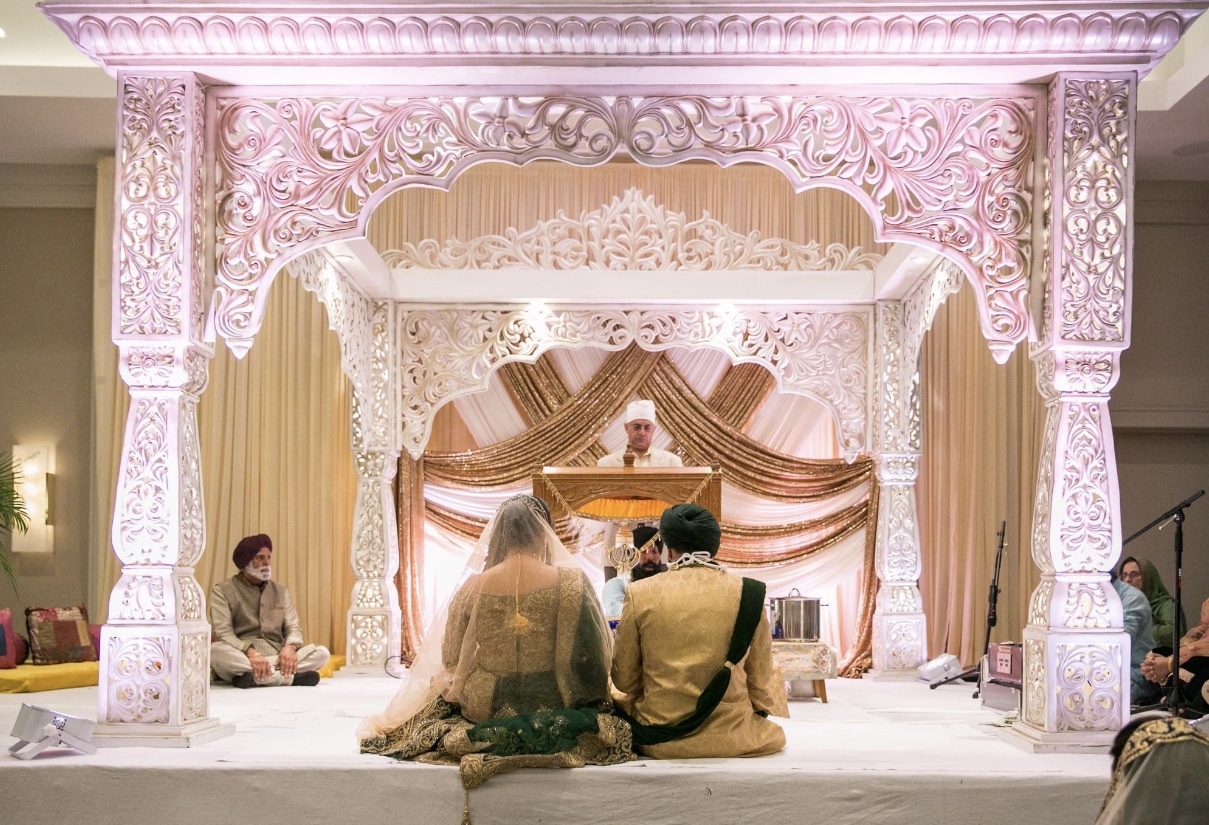
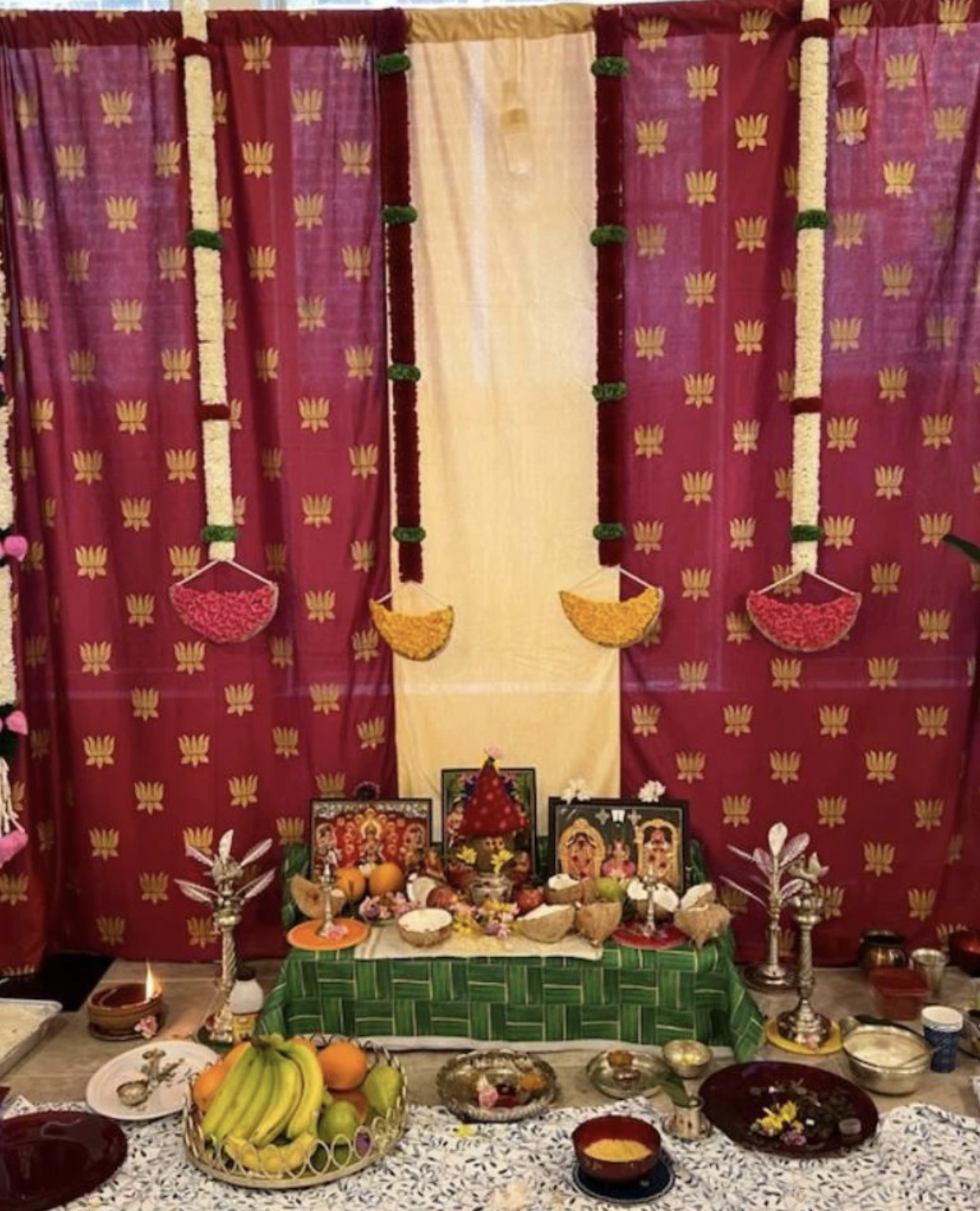
The Hindu wedding tradition of being wed under a mandap is important. This wedding altar is a temporary structure constructed for the purpose of the marriage ceremony. It may appear on an elevated platform and is decorated with anything from flowers and greenery to fabric and crystals. The couple is traditionally joined beneath the mandap by their parents and the ceremony officiant. Shoes are never worn when entering the mandap.
A Fire Burns in the Center of the Mandap
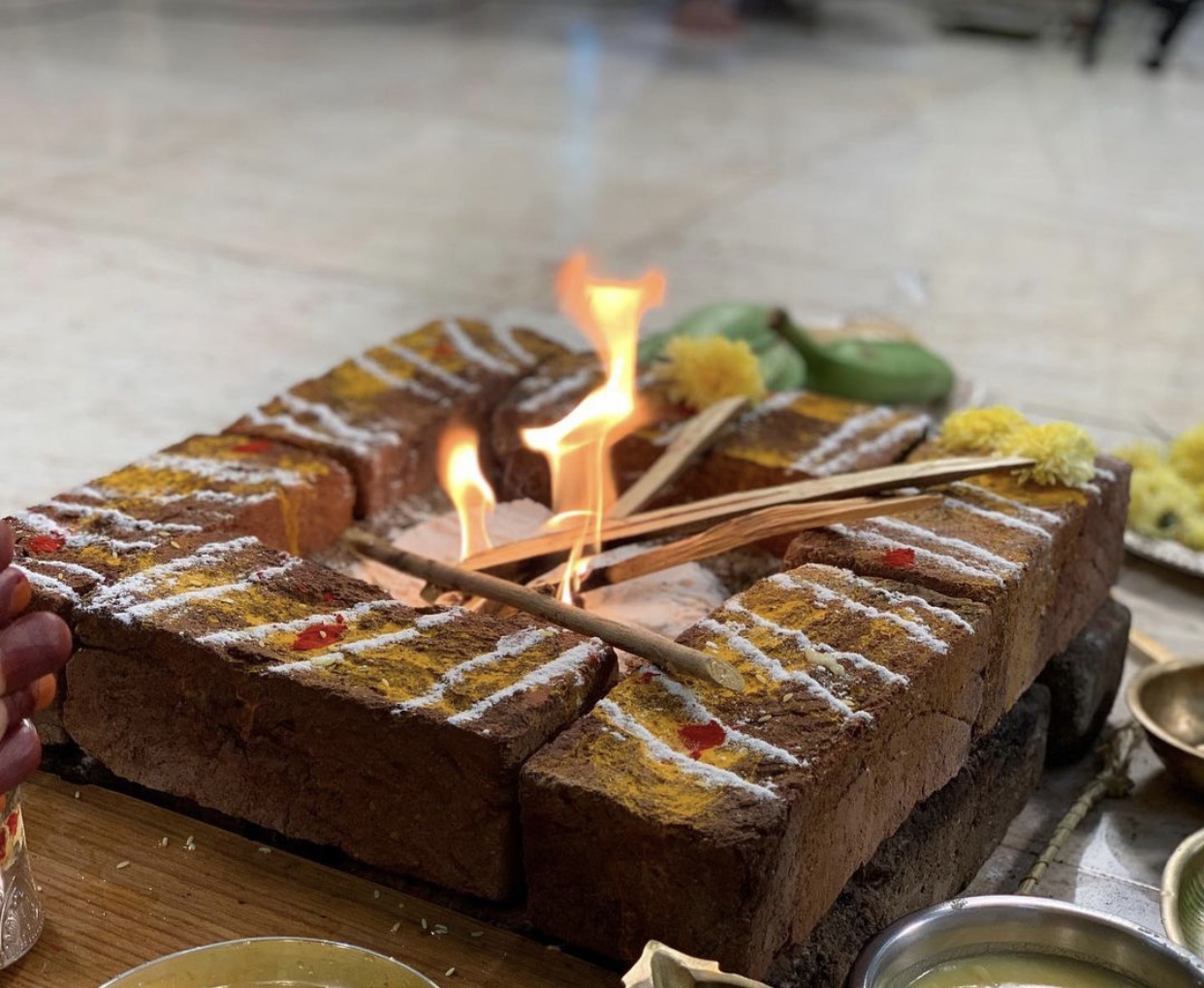
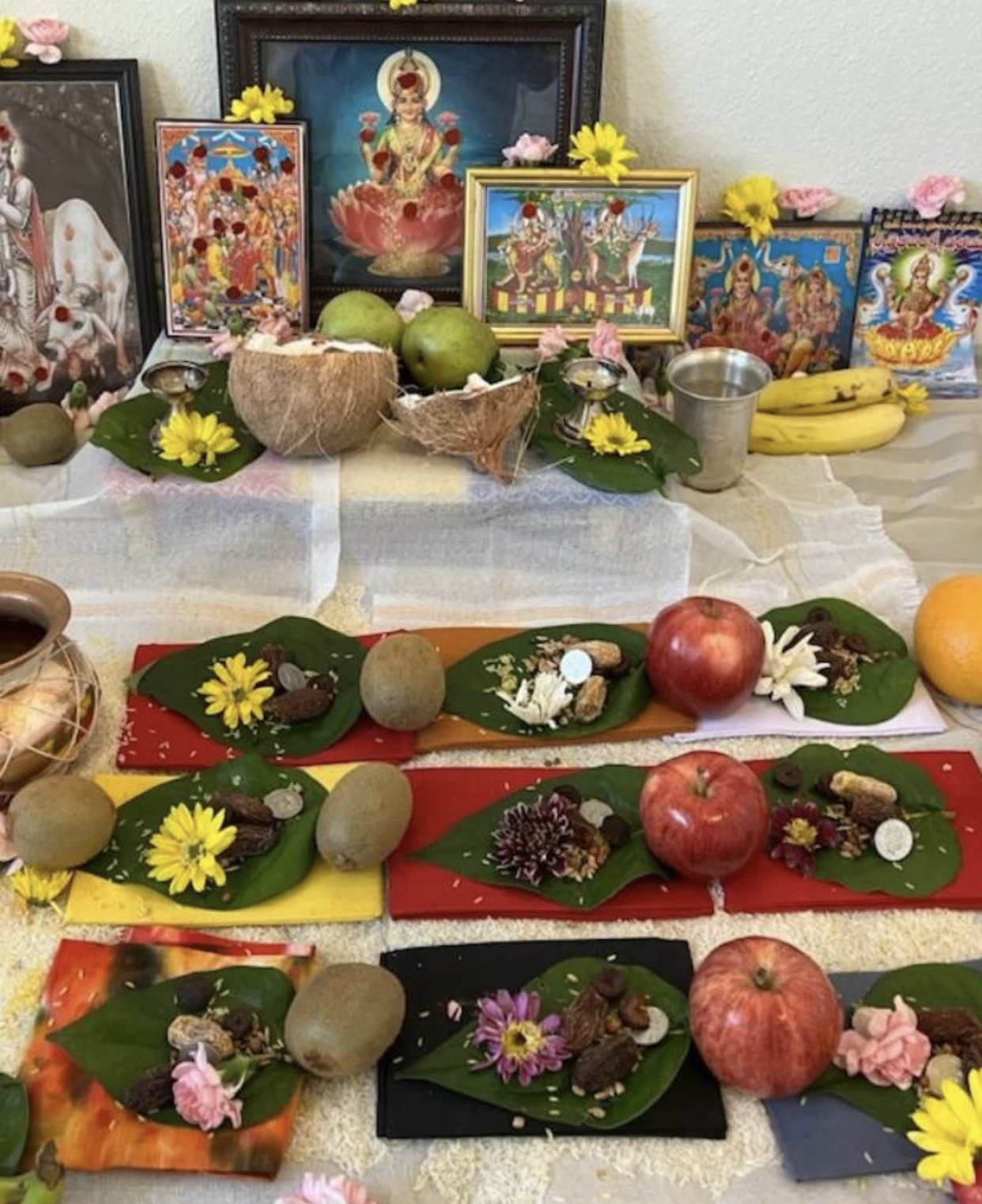
In the center of the mandap, a fire is kindled. A Hindu marriage is a sacrament not a contract. To signify the viability of the ceremony, fire is kept as a witness, and offerings are made. The bride’s brother gives three fistfuls of puffed rice to the bride as a wish for his sister’s happy marriage. Each time, the bride offers the rice to the fire. This offering is known as a homam.
Hindu Wedding Rituals Begin With a Prayer to Ganesha
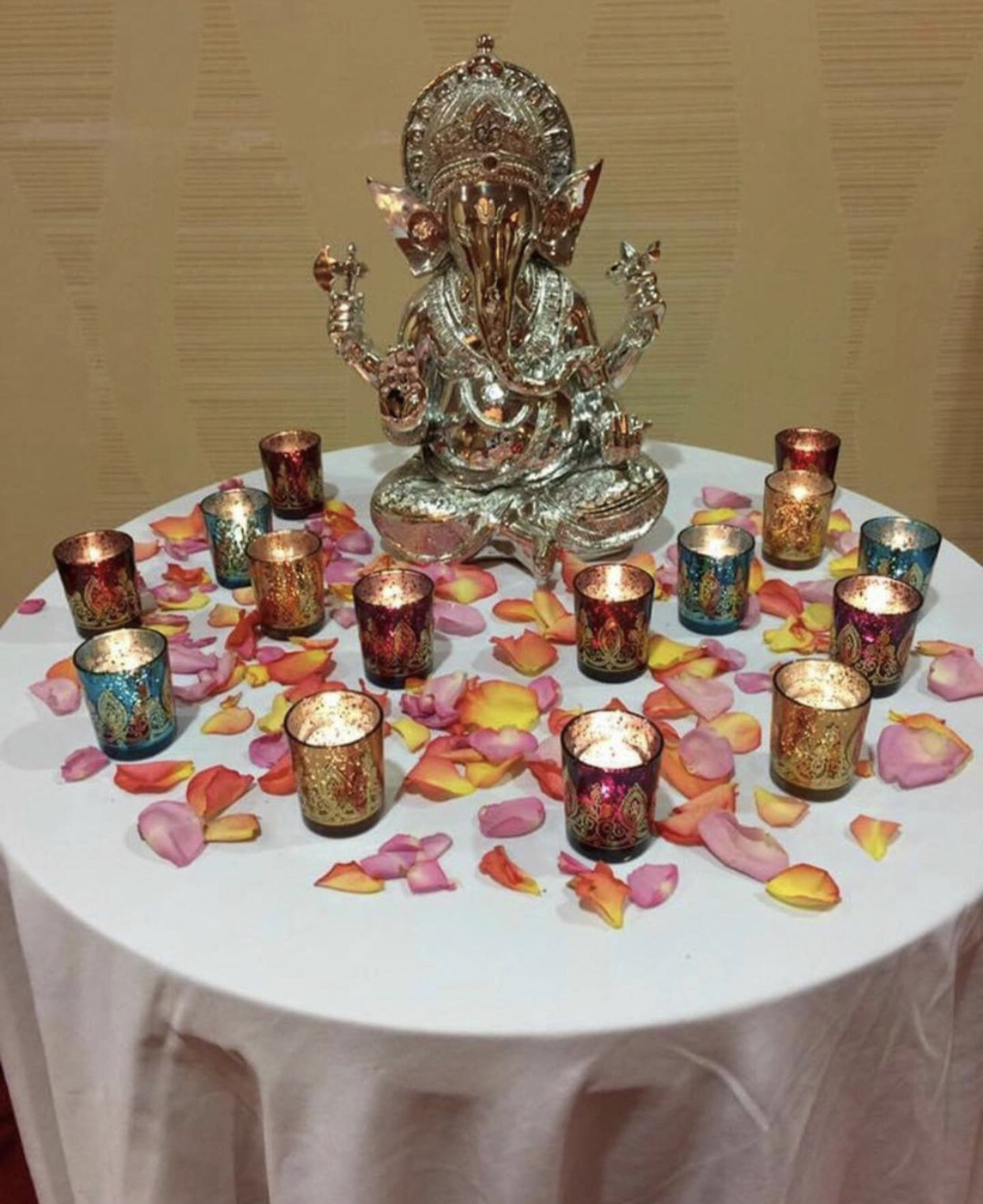
The ceremony begins with a prayer to Ganesha, the god of beginnings and good fortune and the remover of obstacles. Salutations are offered so that Ganesha may pave the way for the couple’s married life. The gotra of both to-be-weds, going back at least three generations, is announced. A gotra is the ancestral lineage or the ancestor’s original clan. This is not related to caste or religion. In Hindu law, marriages should not take place within the same clan.
The Couple Exchanges Floral Garlands During the Jai Mala
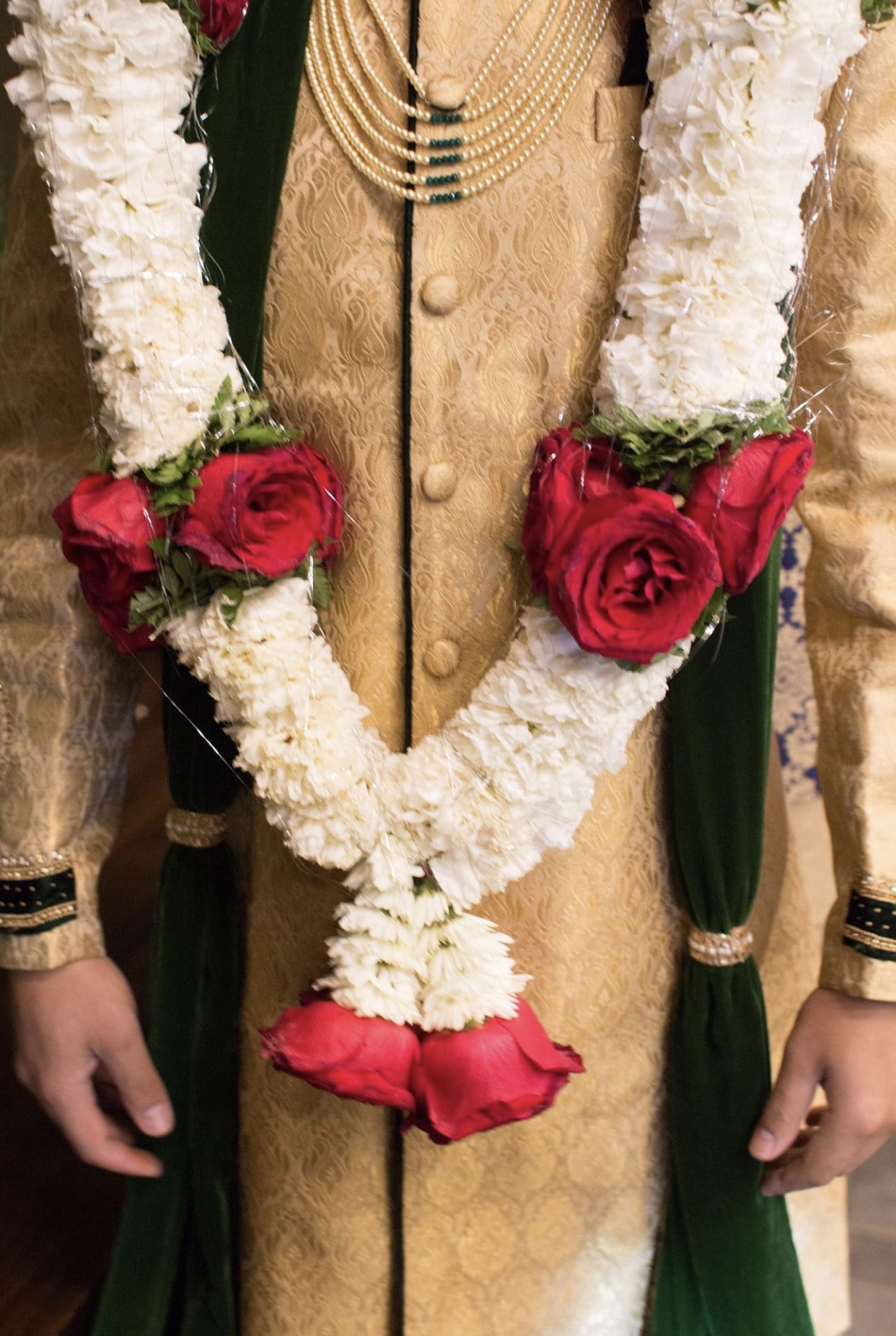
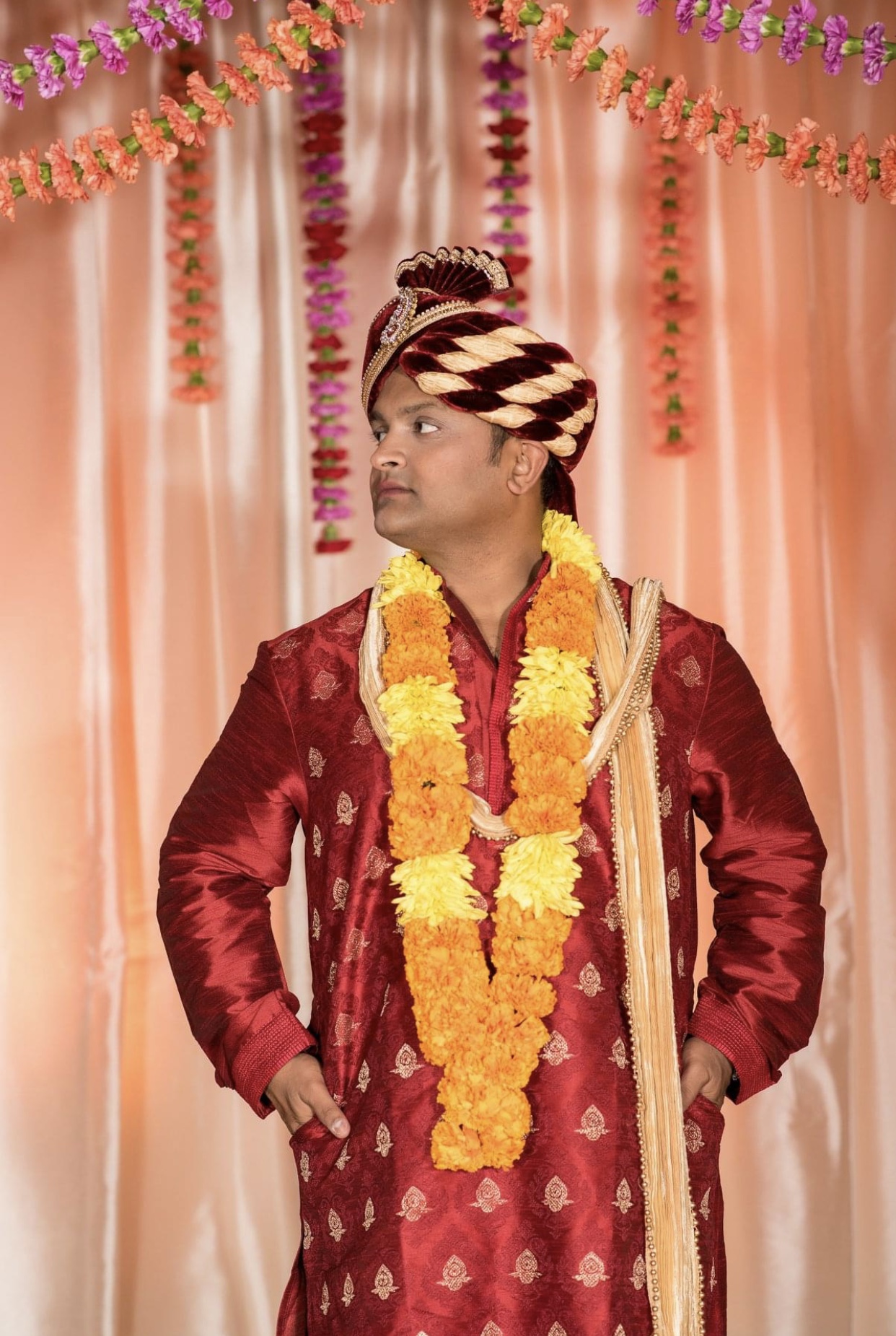
The jai mala is a garland created from strung flowers that is exchanged between the newlyweds. The ritual ends with each of them wearing one. To Hindus, the jai mala symbolizes the partners welcoming each other into their families. Without it, the wedding will not be considered to be complete. In the U.S. or other fusion weddings, the ring ceremony usually follows.
The Bride Is Adorned With a Necklace Called the Mangala Sutra
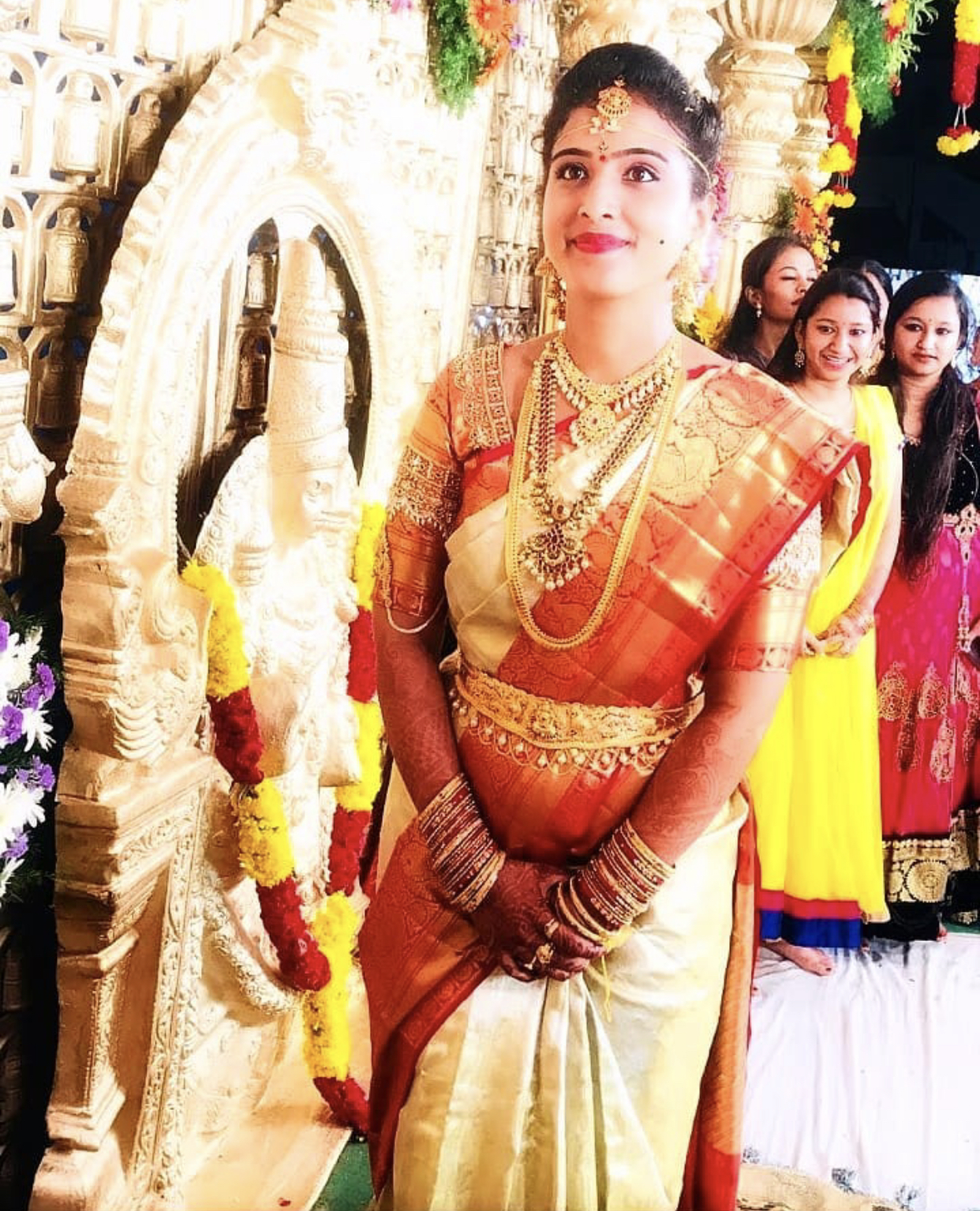
The bride is draped in a necklace of black and gold beads by her new spouse. Traditionally, Lakshmi, the Hindu goddess of wealth, fortune, and prosperity, is invoked. The mangala sutra, or auspicious thread, and the bride is said to receive blessings throughout her marriage. Regional variations may also include beads of red, white, or other colors.
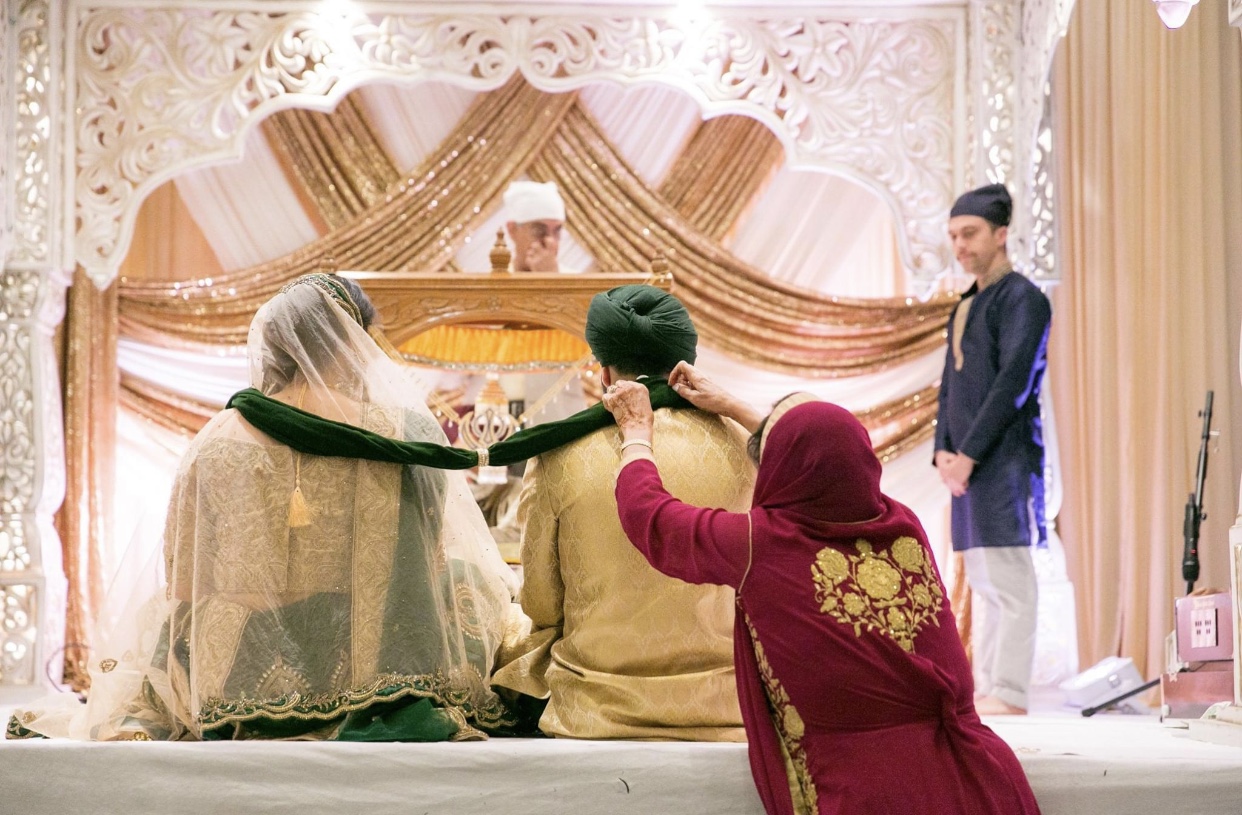
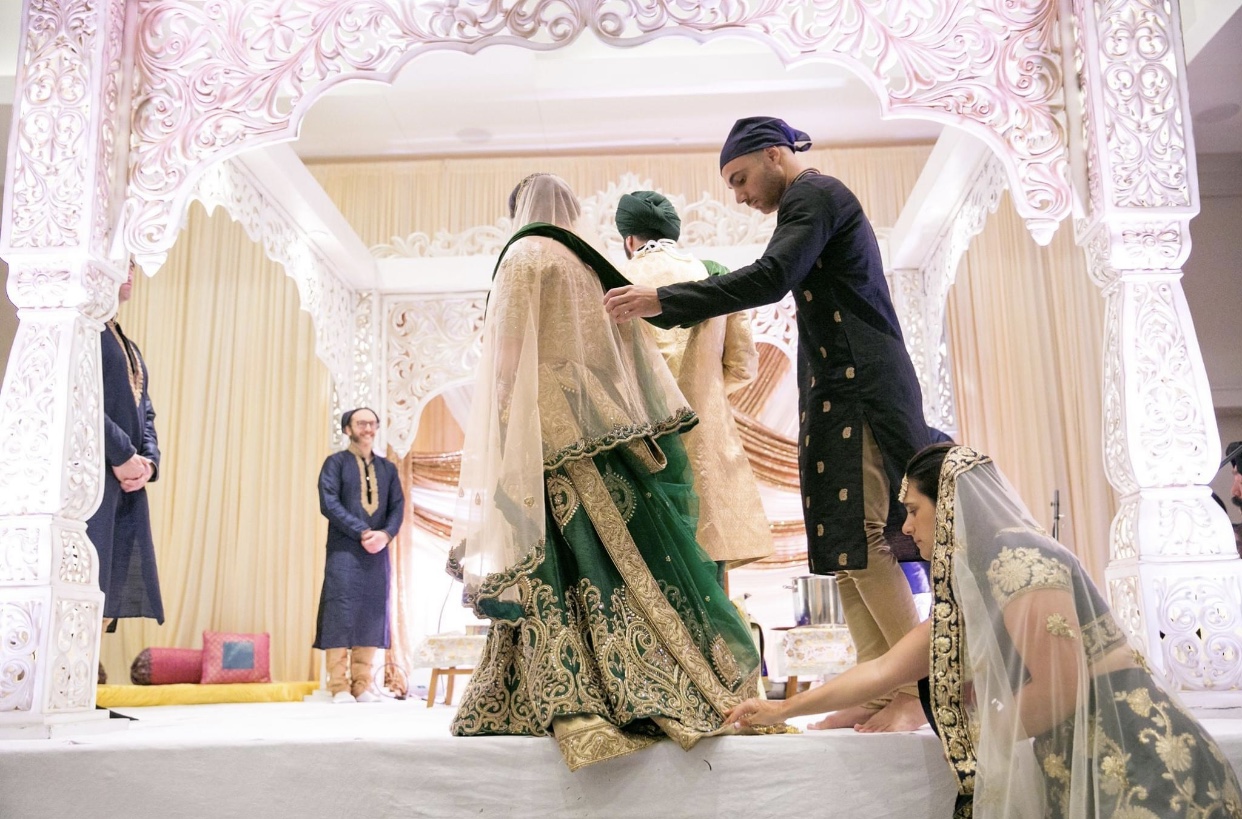
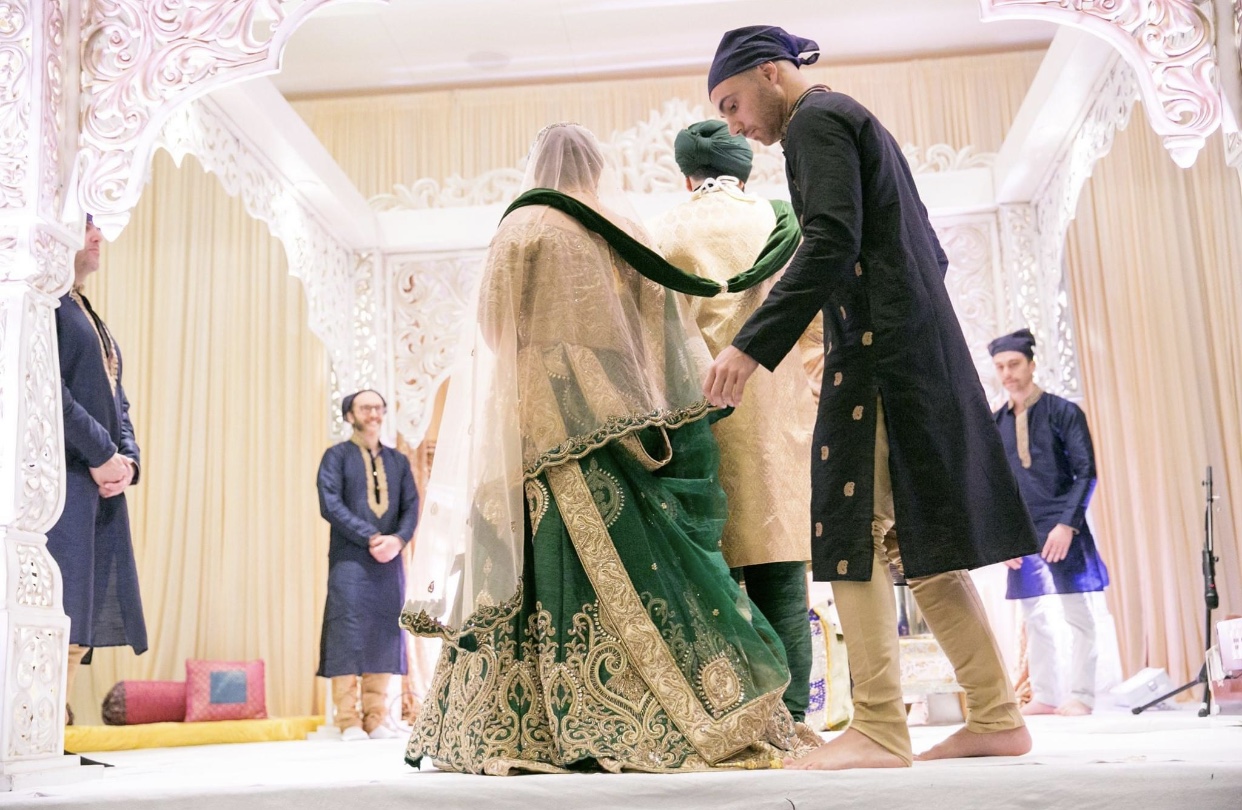
The Bride and Groom’s Garments Are Tied Together
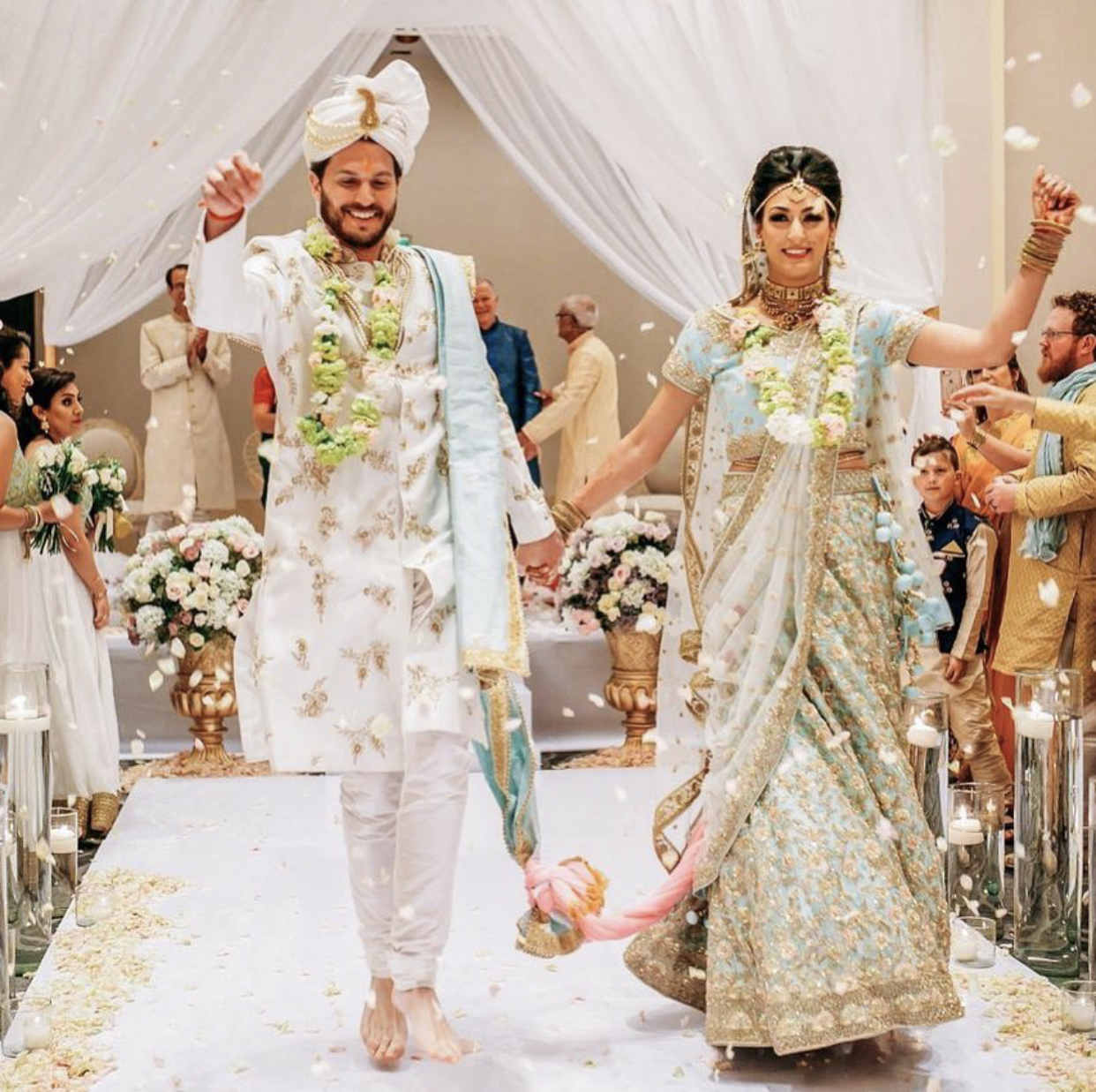
The saptapadi is an important ritual in North Indian Hindu weddings. During the saptapadi, the newlyweds have their garments tied together—typically the bride’s veil and the groom’s sash. In South India, the couple walks seven steps together to signify their friendship. In this Hindu wedding tradition, they make seven circles around a ceremonial fire. Each round signifies a specific blessing they request of the gods. The main significance of the saptapadi is establishing friendship, which is the basis of a Hindu marriage.
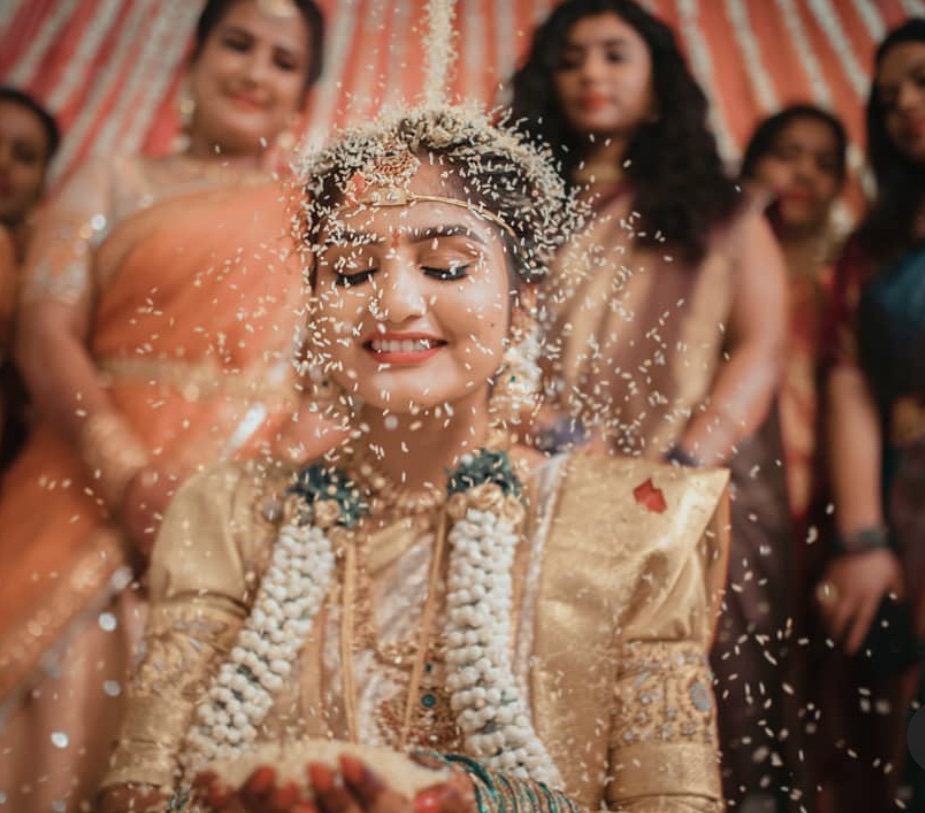
The Newlyweds Shower Each Other With Rice
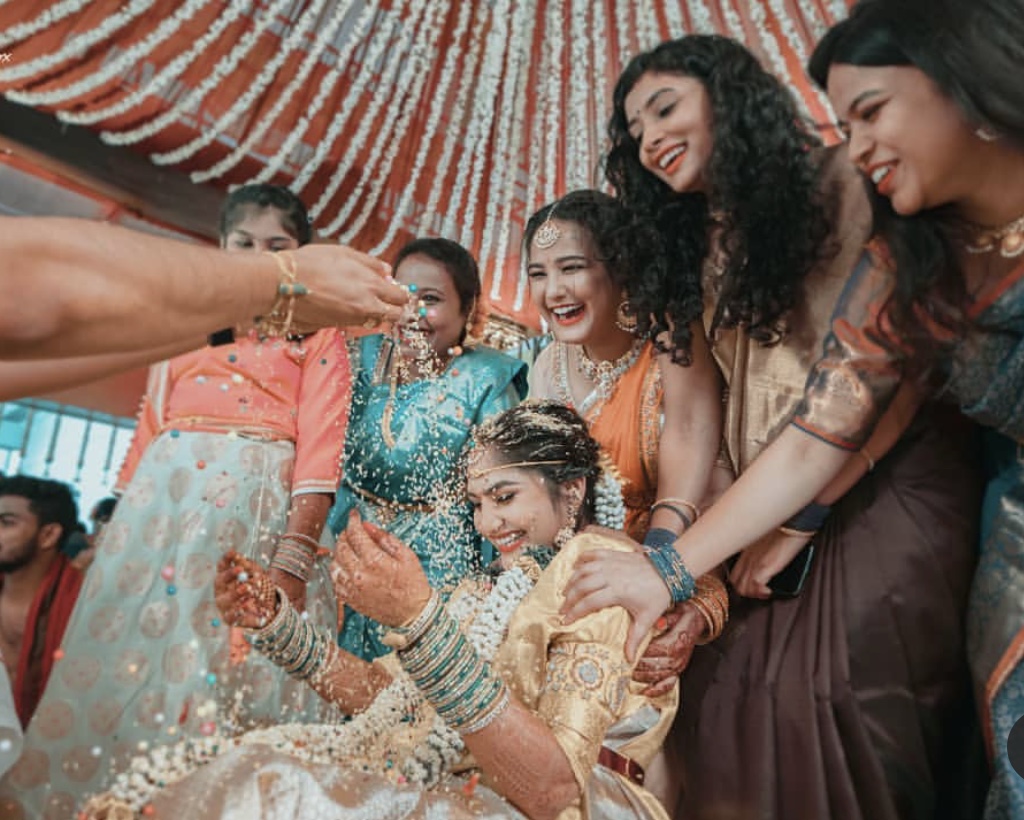
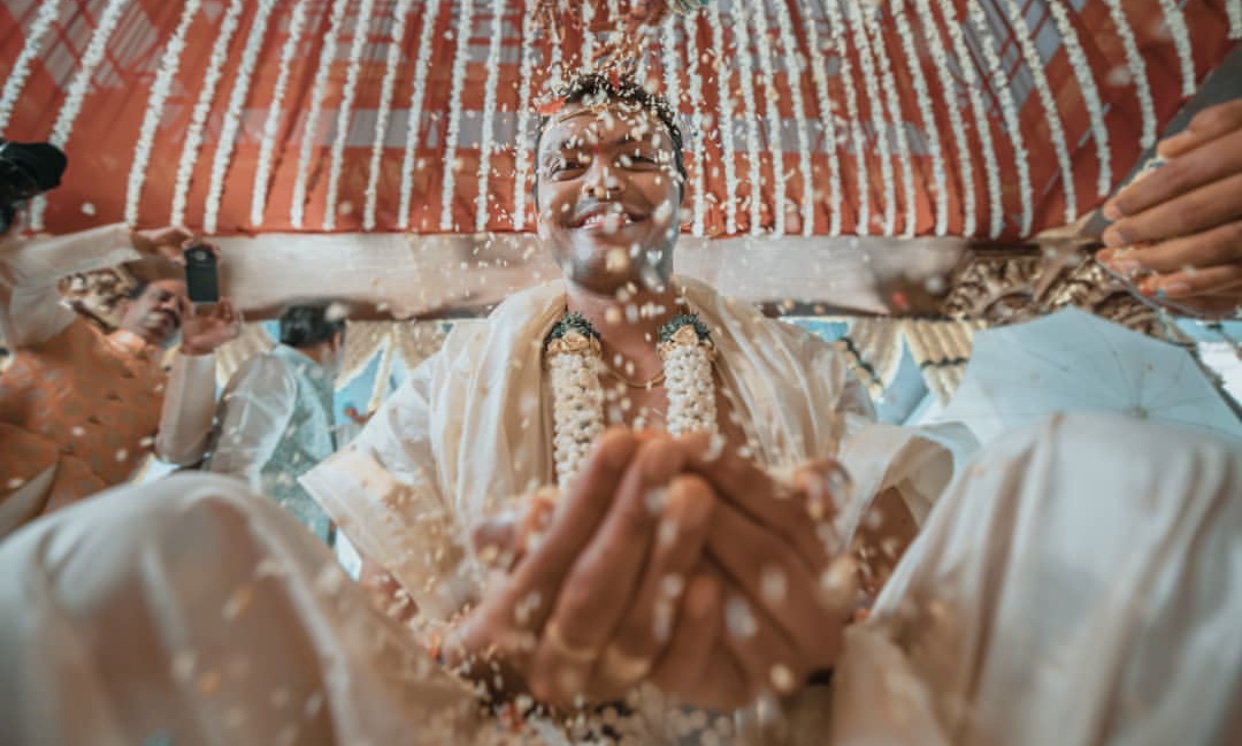
The South Indian Hindu wedding tradition called the talambralu is the ritual of happiness. The couple showers one another with a mixture of rice, turmeric, saffron, and even pearls. This tradition symbolizes fertility, prosperity, and happiness for the couple’s future life together. It also provides a moment of levity and merriment during what can otherwise be a more serious ceremony. In some cases, members from either side of the family will join in on the ritual. They cheer the newlyweds on physically assisting them.
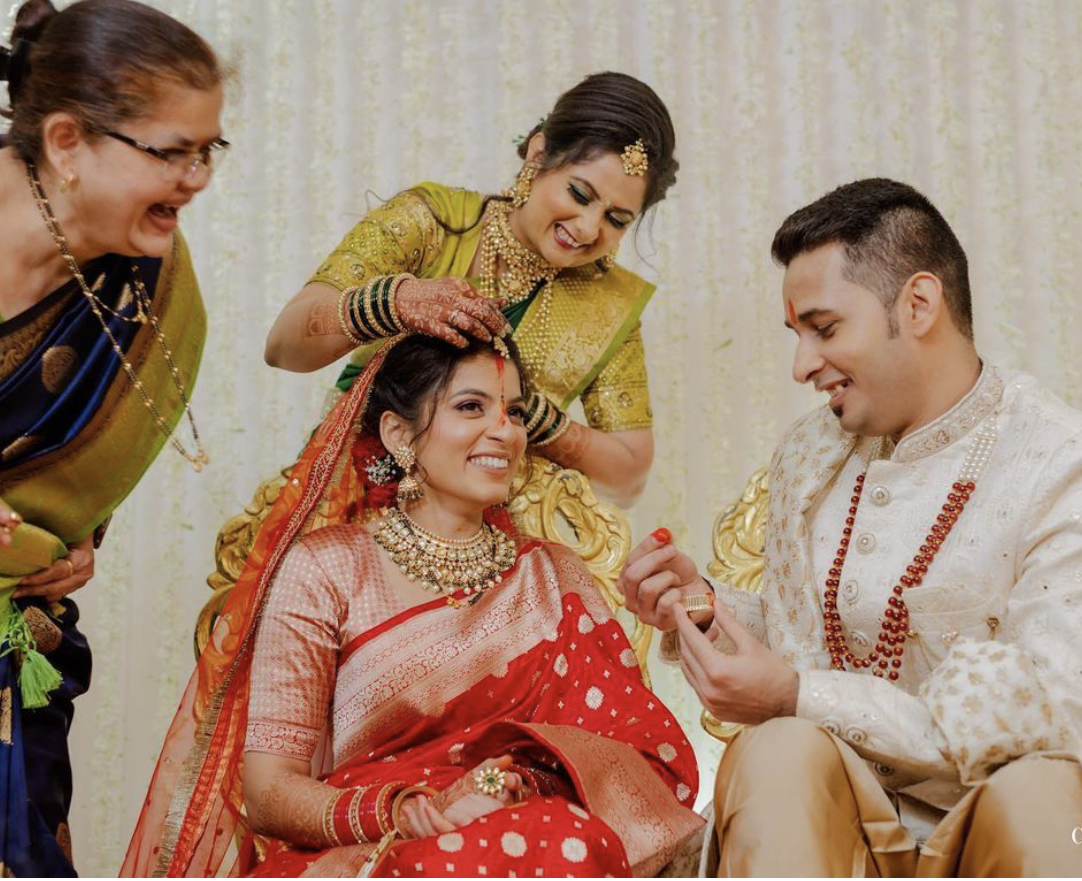
Red Powder Is Applied to the Bride’s Hair, Signifying She Is Married
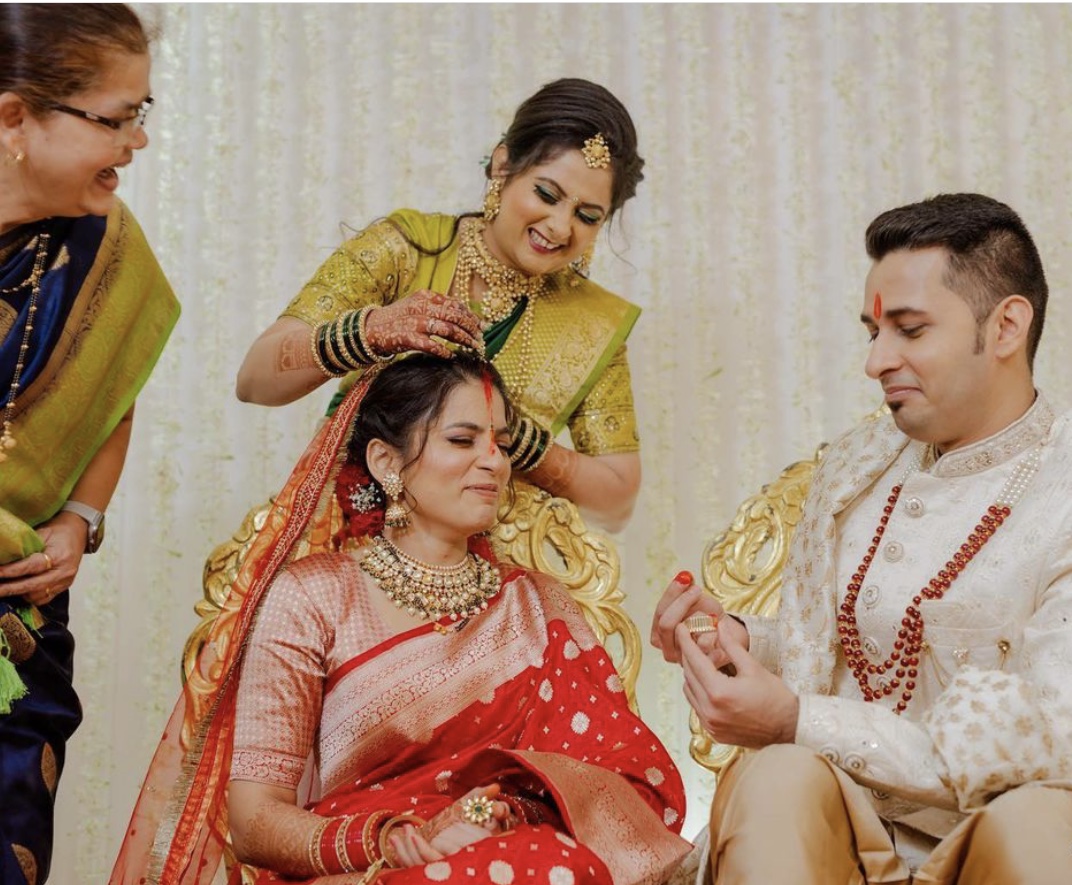
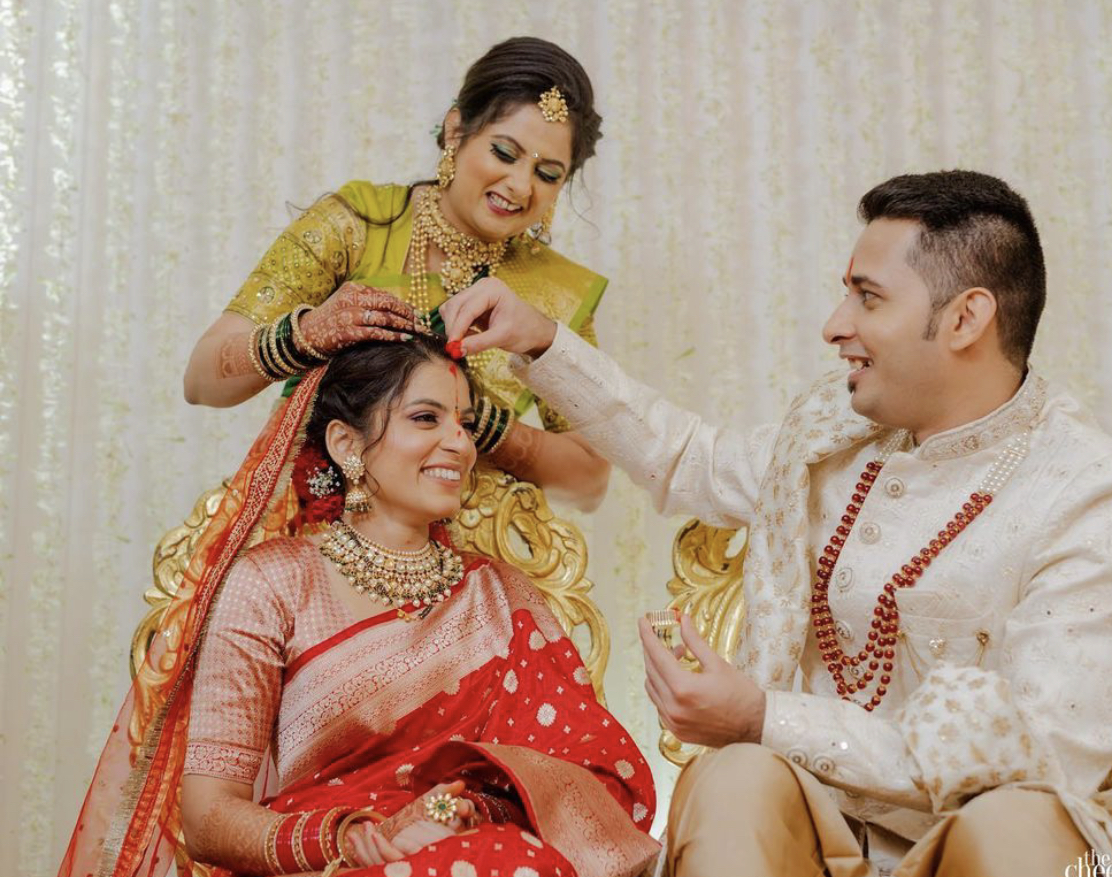
Hindu wedding tradition of the use of Sindoor, a red-orange powder is applied to the part of a woman’s hair. This symbolizes her new status as a married woman once the ceremony is complete. Traditionally, this is applied by her husband on the wedding day. All married women, in addition to the bride, may wear the powder as a sign of their marital status. Some opt to shade in the entire part of the hairline. Others will only wear it as a dot on the forehead. This depends on personal tastes or regional customs.
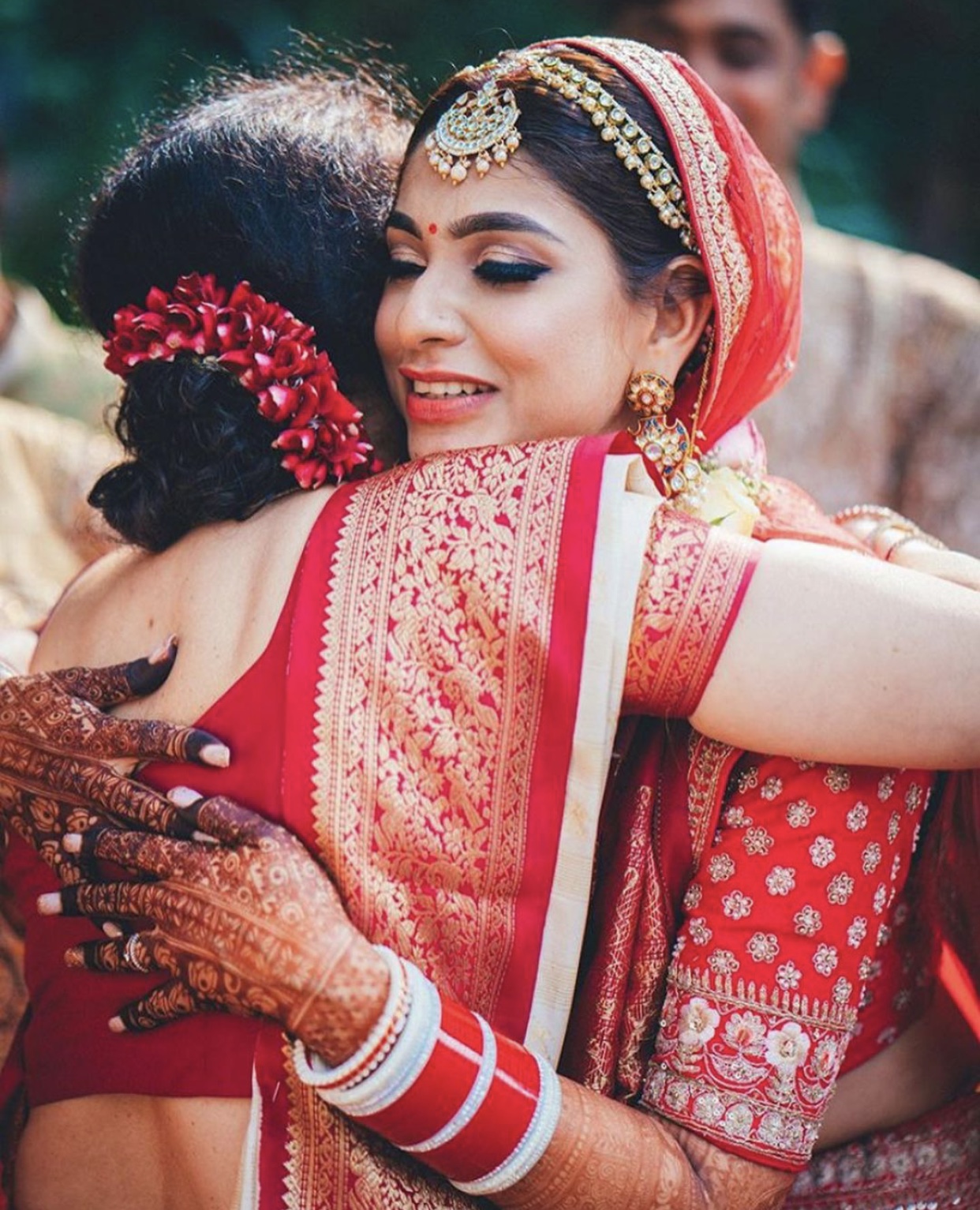
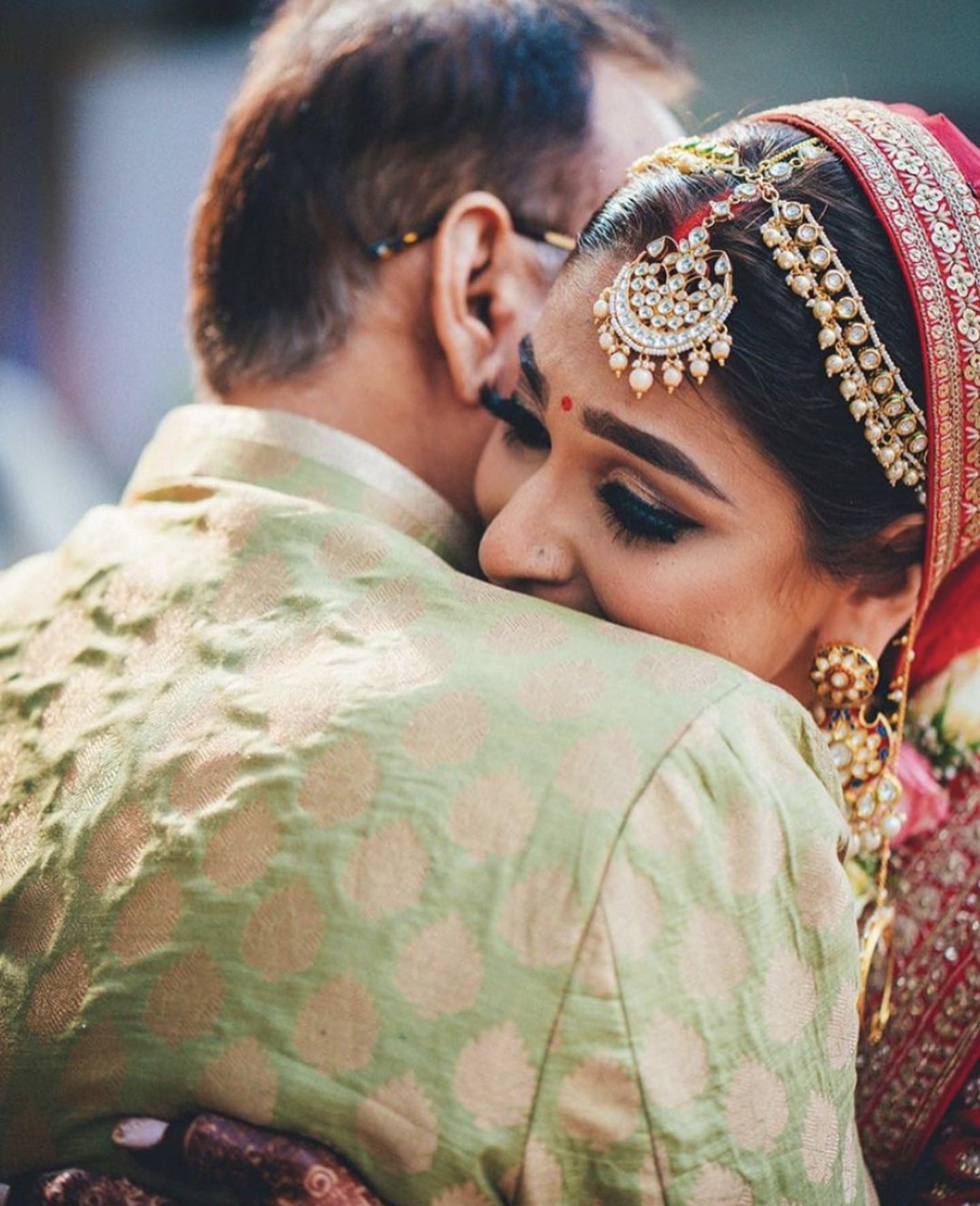
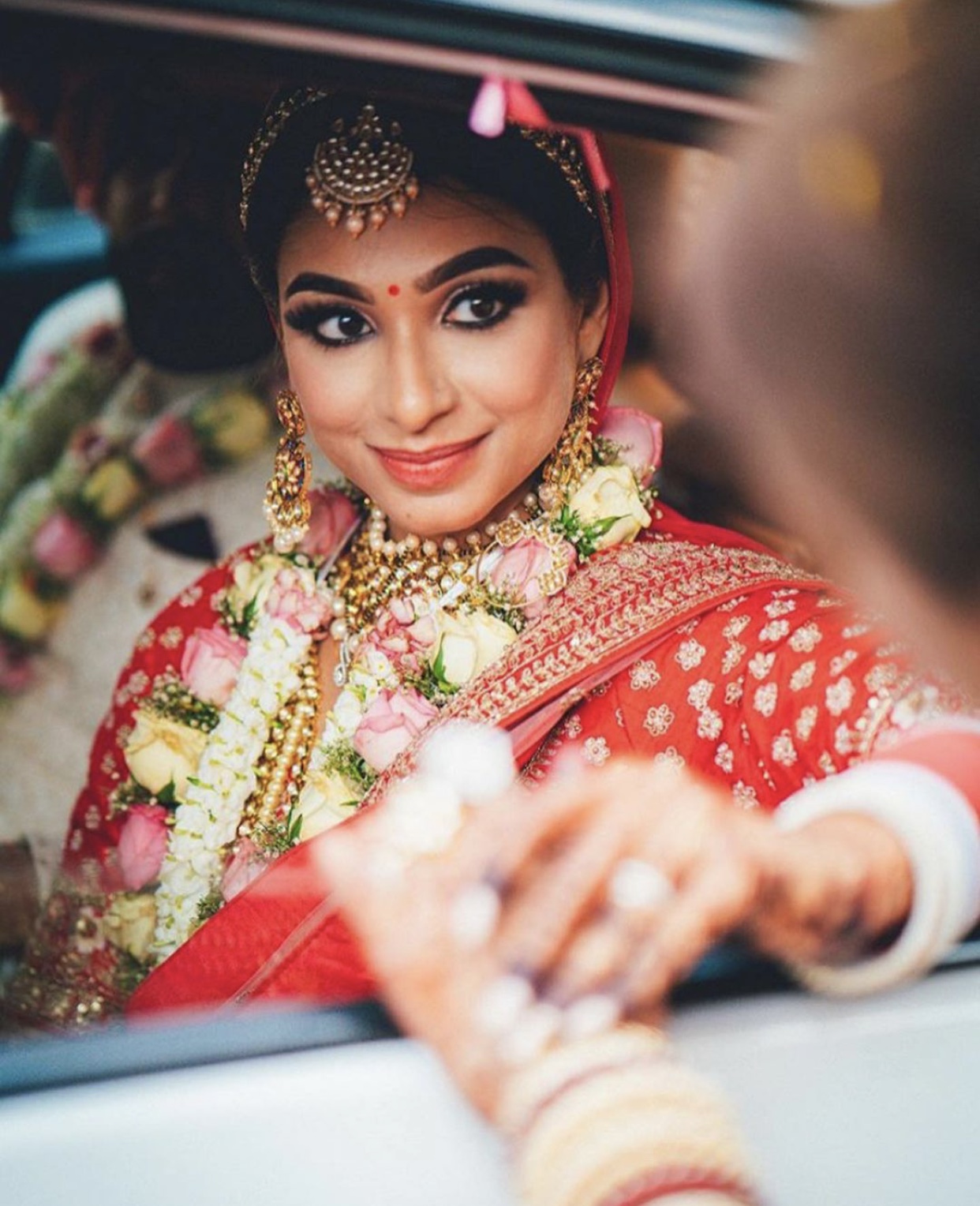
The Couple’s Sendoff Is an Emotional Vidaai Ceremony
Not all brides’ farewells end with sparklers and smiles. When a Hindu bride officially leaves her home to start a new life with her spouse, the goodbyes are heartwarming and tearful. It is time for the Hindu wedding tradition of the vidaai ceremony. She walks away spreading happiness and prosperity. takes handfuls of rice and coins. They are thrown over her head. This is to show her appreciation for the time and love given to her in the home of her parents. The vidaai ceremony is the symbolic end of the wedding festivities. Its characterized by the bride’s parents giving a final farewell to their daughter.
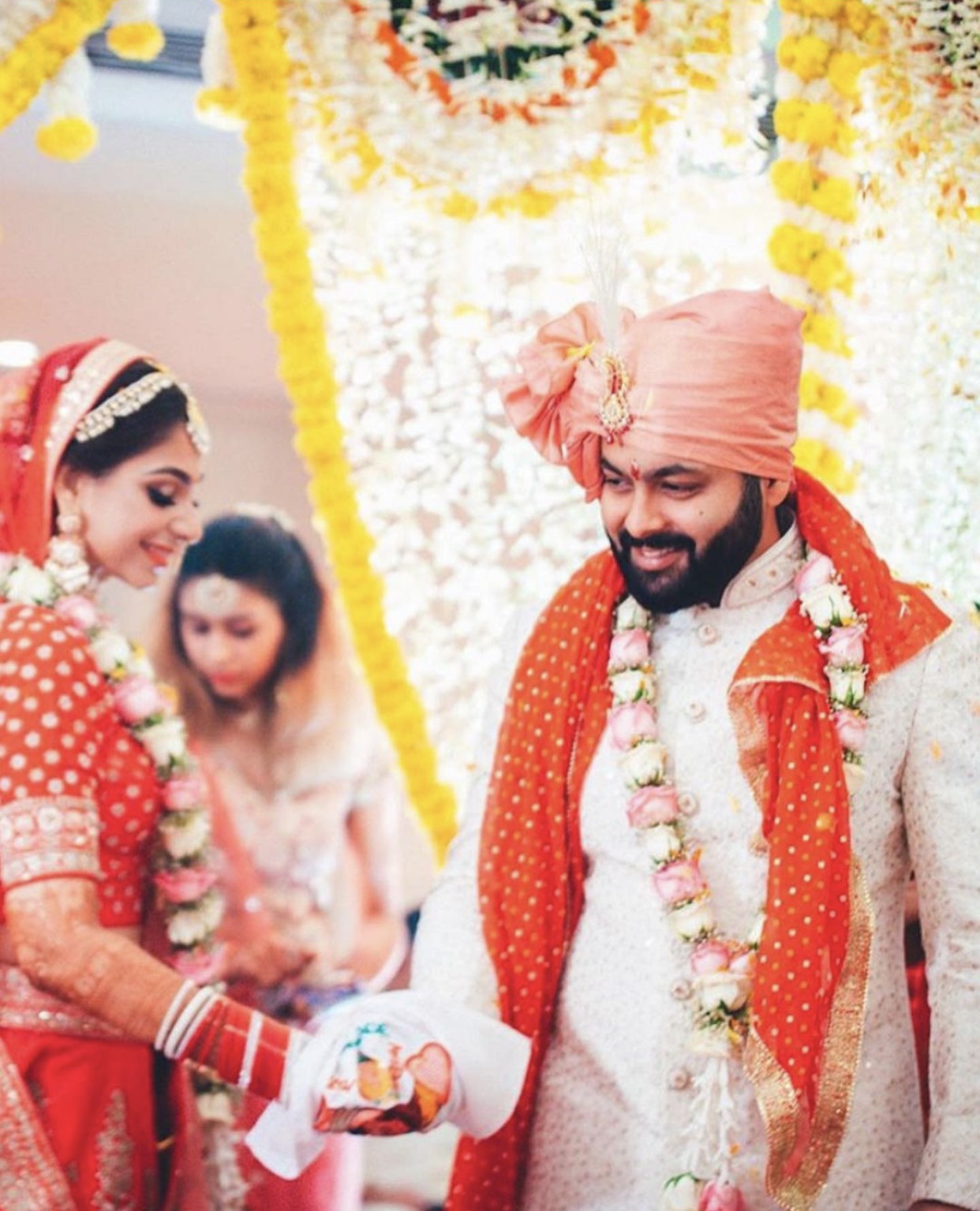
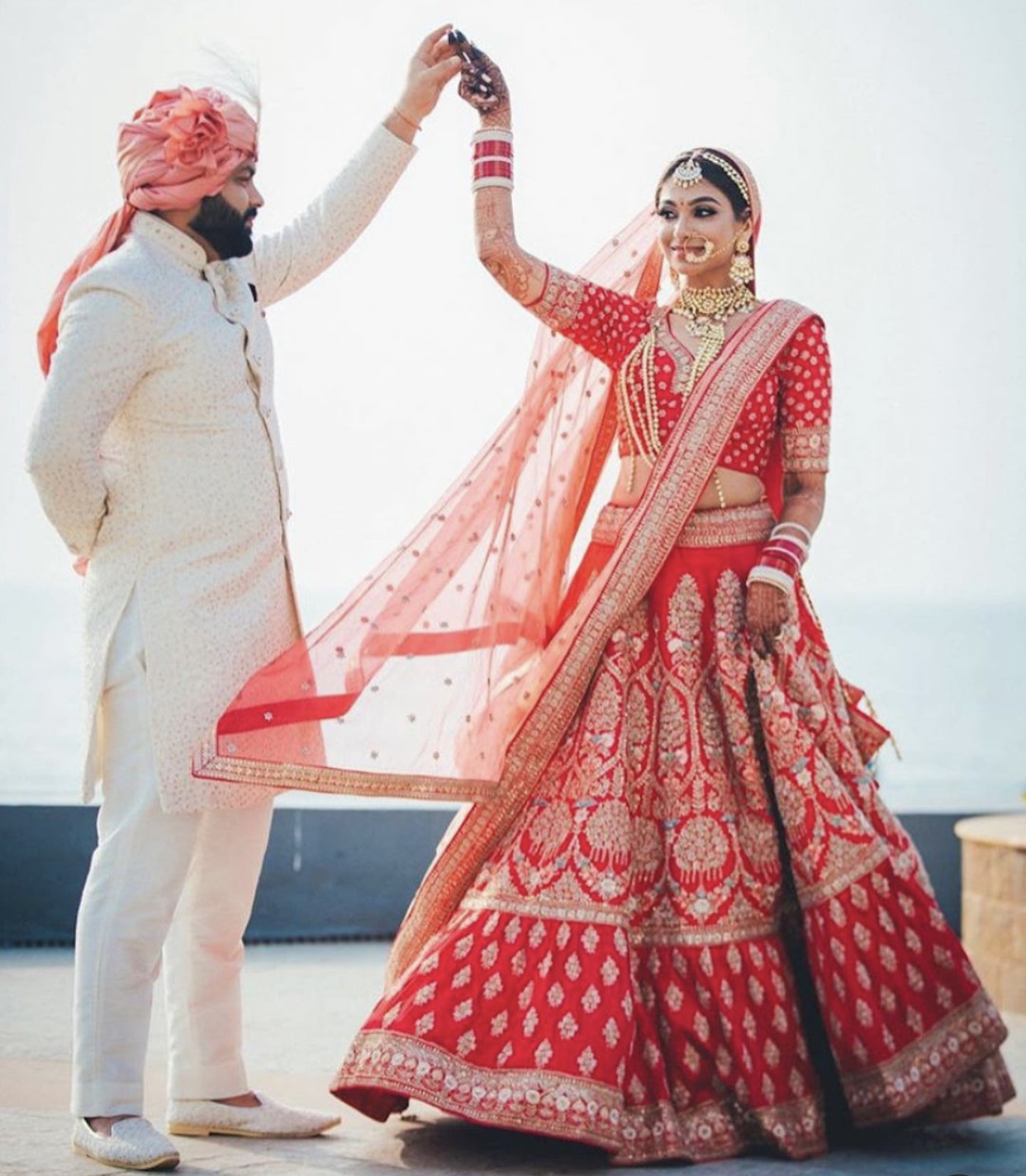
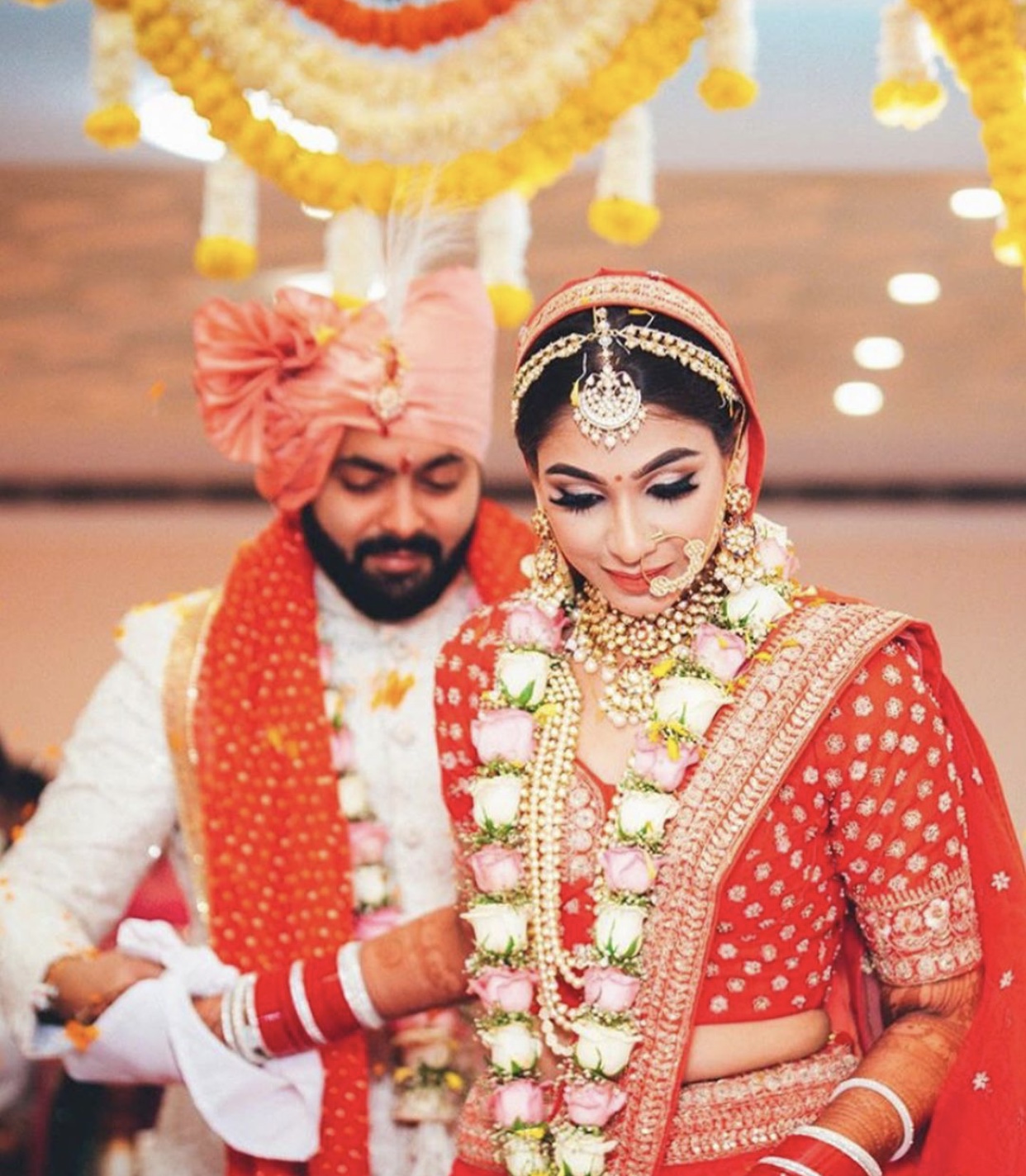
Photos by Ivory Door Studio & Divine Images





What beautiful traditions!! Thank you for teaching me more about Hindu weddings!
What an interesting article. Thank you for sharing.