What Parts of a Wedding Budget are Tariffs Affecting?
Month to month we struggle with our couples to make choices to keep their wedding budget from increasing due to tariff costs and concerns.
Brides, grooms and wedding vendors are in similar boats. Prices for imported goods and tariffs add more costs to an already expensive life event. Many different aspects of the wedding day will be affected by tariffs. Everything including alcohol, flowers, the wedding dress and goods such as centerpiece decorations if they are imported.
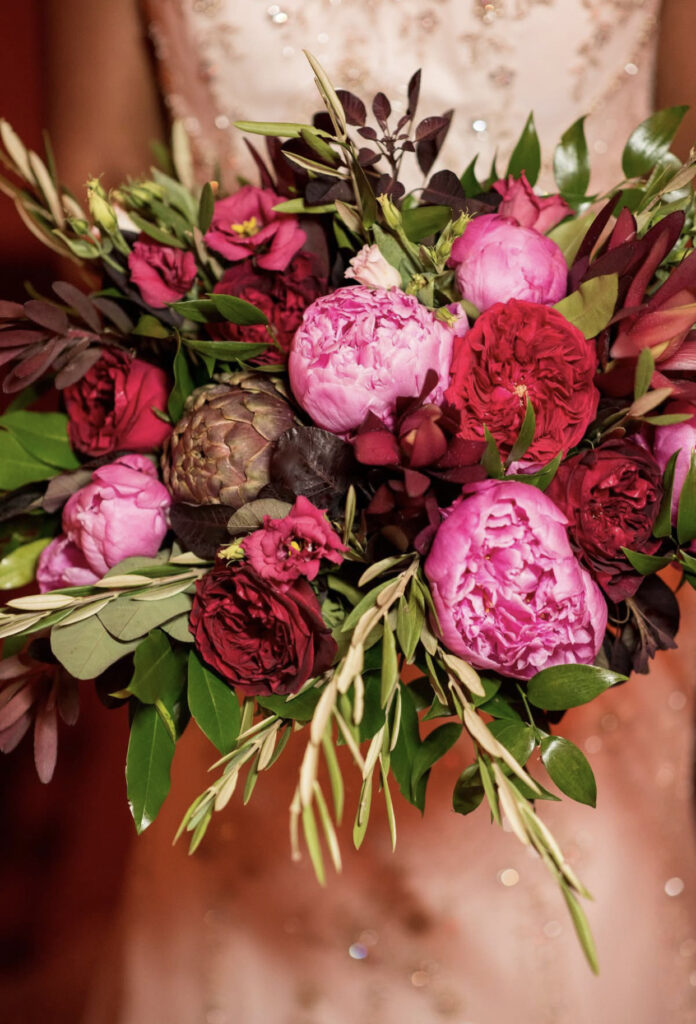
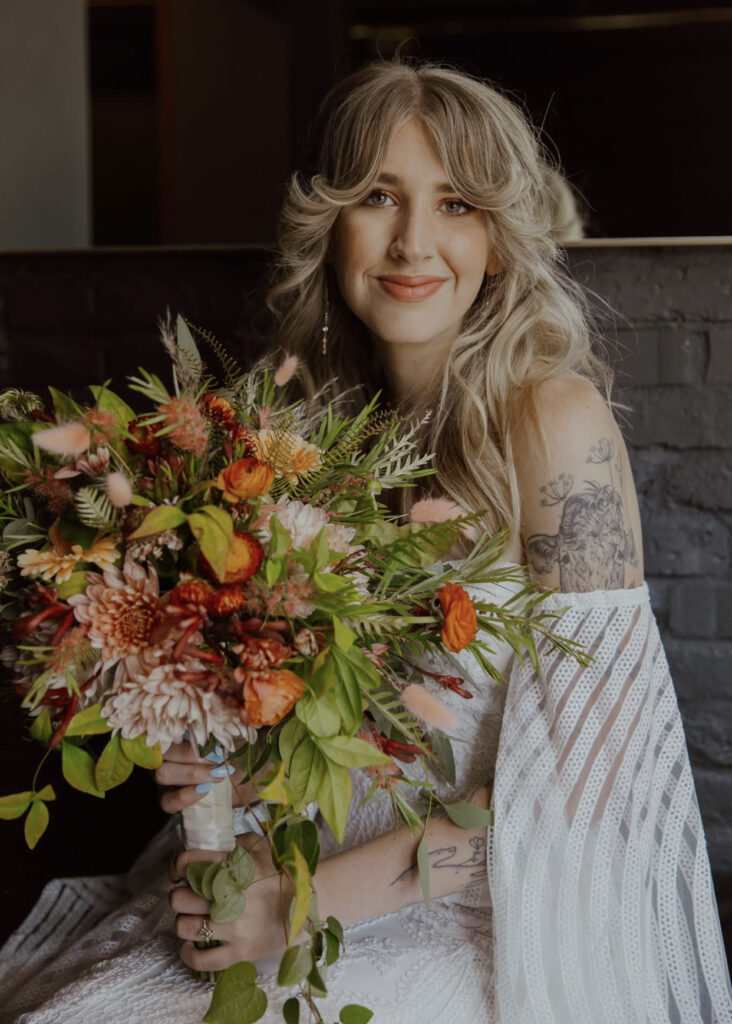
For example, florist are doing their best to navigate tariff increases to imported flowers to keep costs for their couples down. As much as 80% of cut flowers are imported from other countries. 90% of wedding gowns sold in the U.S. are imported which could hike up wedding costs.

Financial Costs Weigh On Minds
A survey of 741 engaged couples on The Knot found that 73% said that staying within their budget was their top concern. 46% were worried about economic factors like inflation. Additionally, 34% were concerned about rising costs for goods impacting their weddings. Though only 15% mentioned tariffs as a specific concern. Most couples said that tariffs hadn’t affected their weddings yet, but 36% reported making changes due to economic stress. Among those, 22% adjusted their budgets while 68% increased them.
Instead of cutting back, many couples addressed concerns about looming tariffs by booking early and seeking advice from professionals.
- About 1 in 3 couples are purchasing items earlier to lock in pricing.
- Many are opting for U.S.-made or local products to offset import costs.
- Some couples are slightly reducing guest count to around 100-120 guests.
Professional wedding vendors are skilled at helping couples adjust their plans to fit their budget or prepare for any increases. Our goal is to help you have the best wedding possible. Whether it’s finding ways to avoid extra costs or making adjustments to stay within budget, we’re here to support you. We have found that it is not so much of a concern about the tariffs, itself. Its just thinking about how we are going to stay within budget with all of the economic factors that we’re facing today.

Tariff Increases Have Begun To Appear
When the tariffs were first announced, it felt substantial. We saw cost increases of anywhere from 10% to 25%. For a wedding floral budget of $5,000 or more, that kind of increase adds up fast. Sadly, we have even seen some vendors that have used tariffs as an excuse to unfairly double their prices. You really have to know who you are working with. This is where an experienced wedding planner comes in to play.
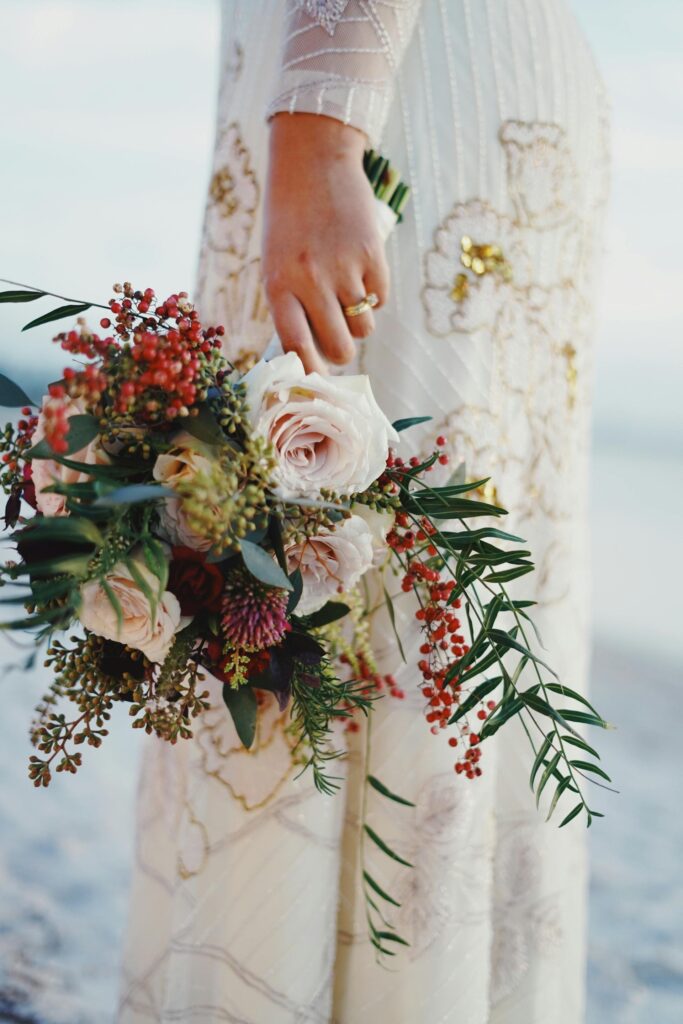
Many couples have been scrambling to handle tariff increases. Often reviewing contracts to see if vendors are allowed to adjust pricing due to market fluctuations. Due to the COVID-19 pandemic, wedding vendors learned the importance of including such clauses to account for unexpected pricing changes. That said, we have worked to provide our couples with alternative options instead of simply accepting the raising prices.
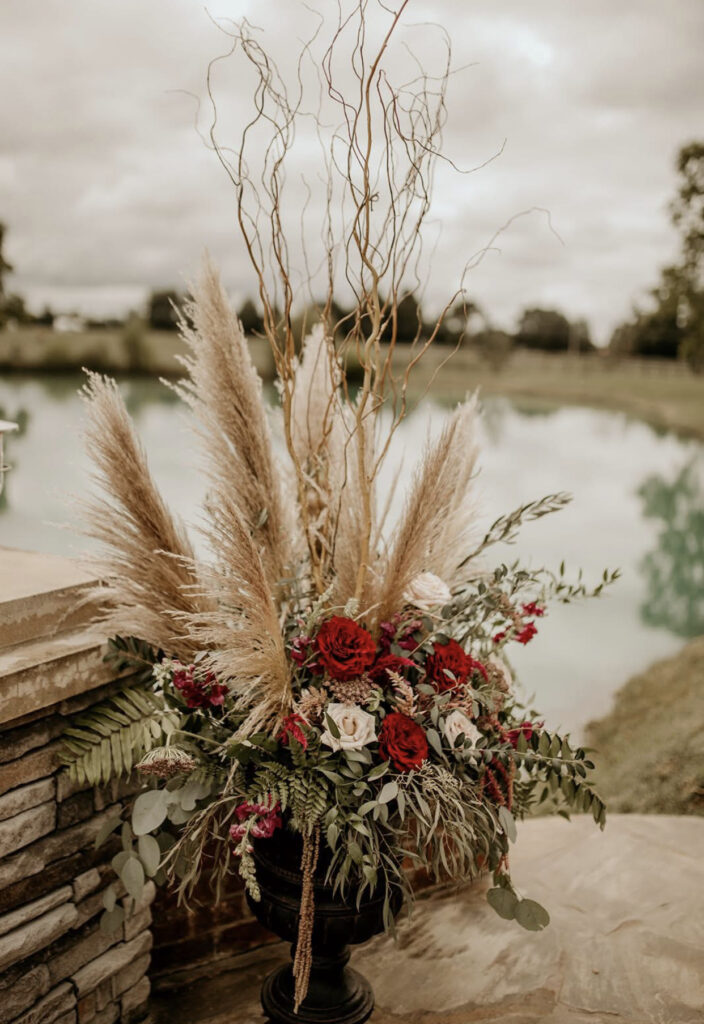
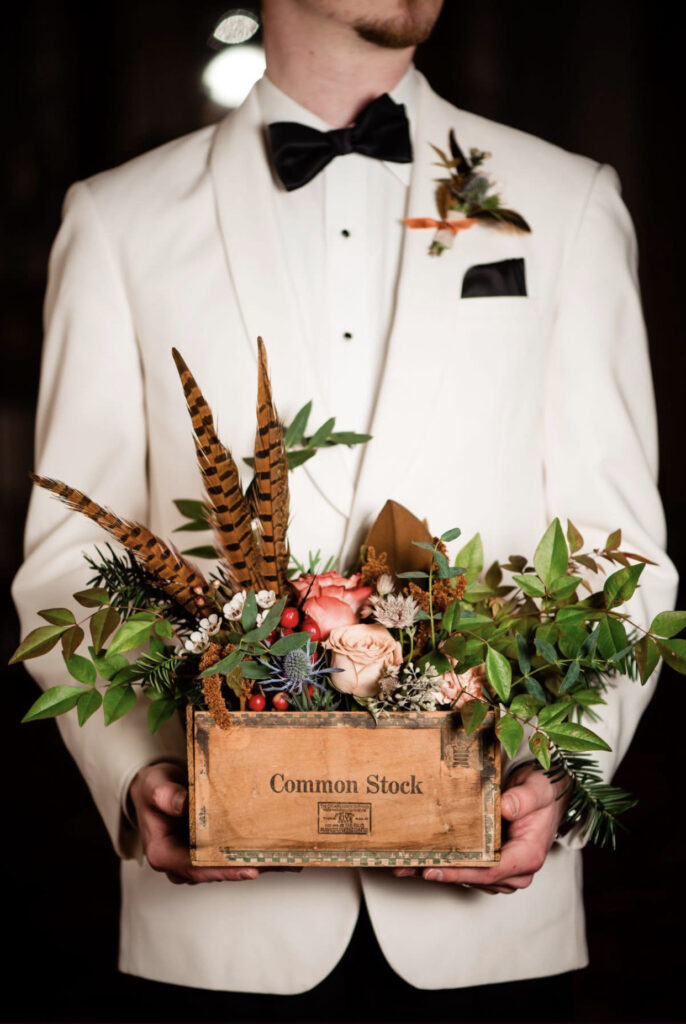
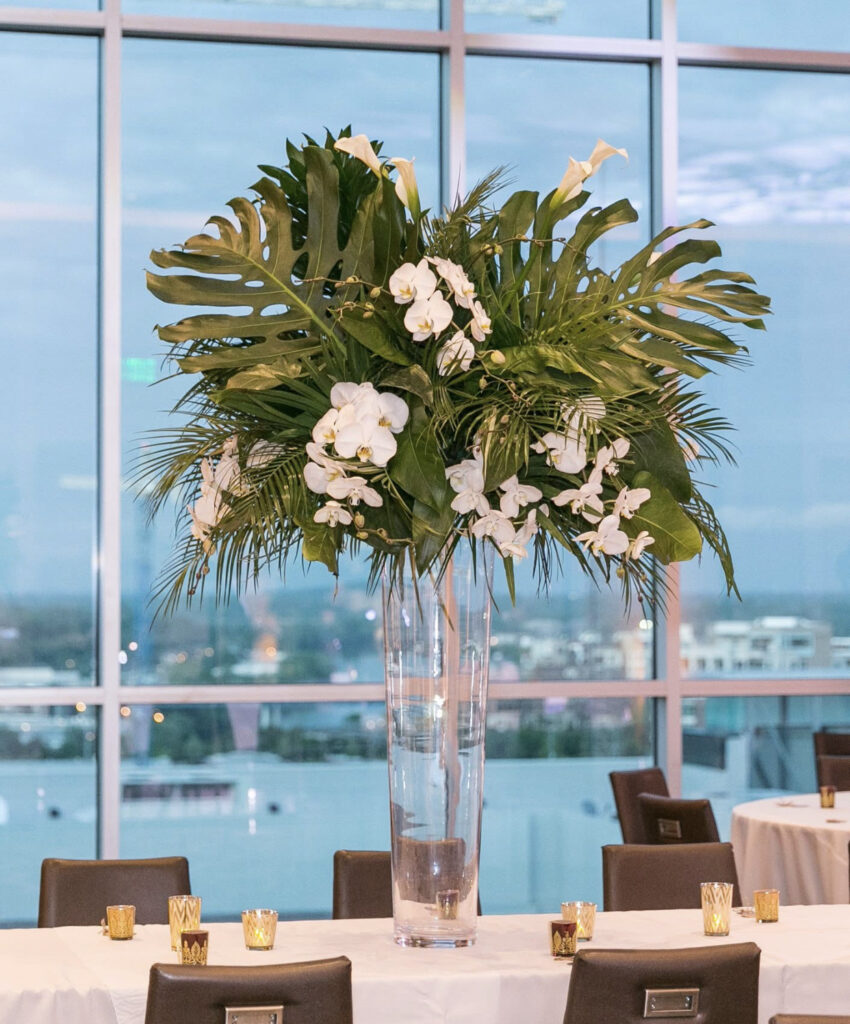
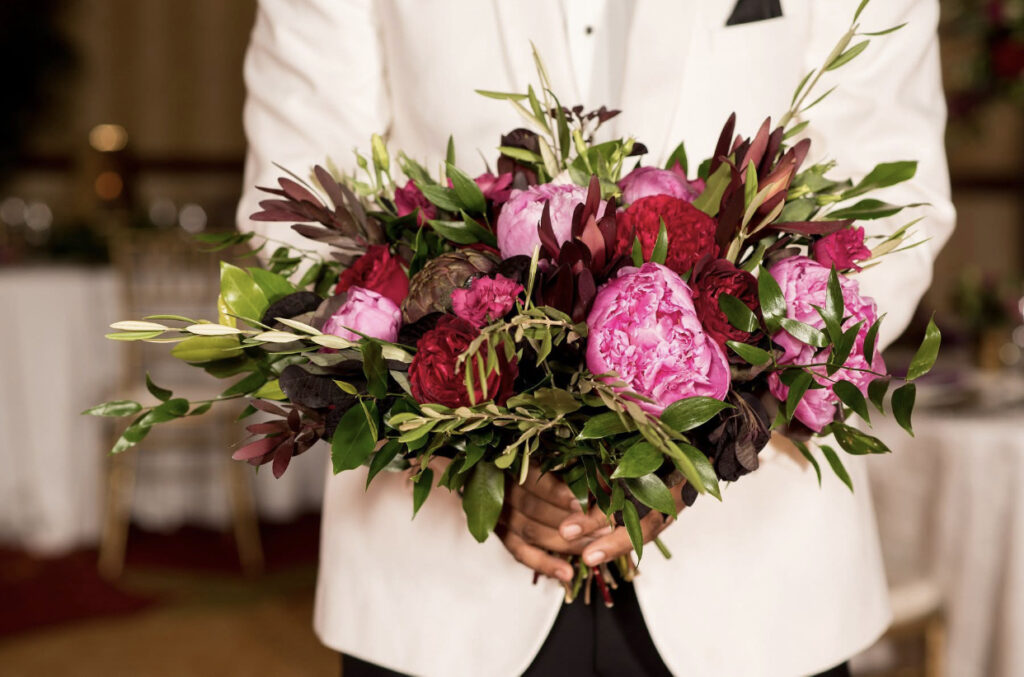
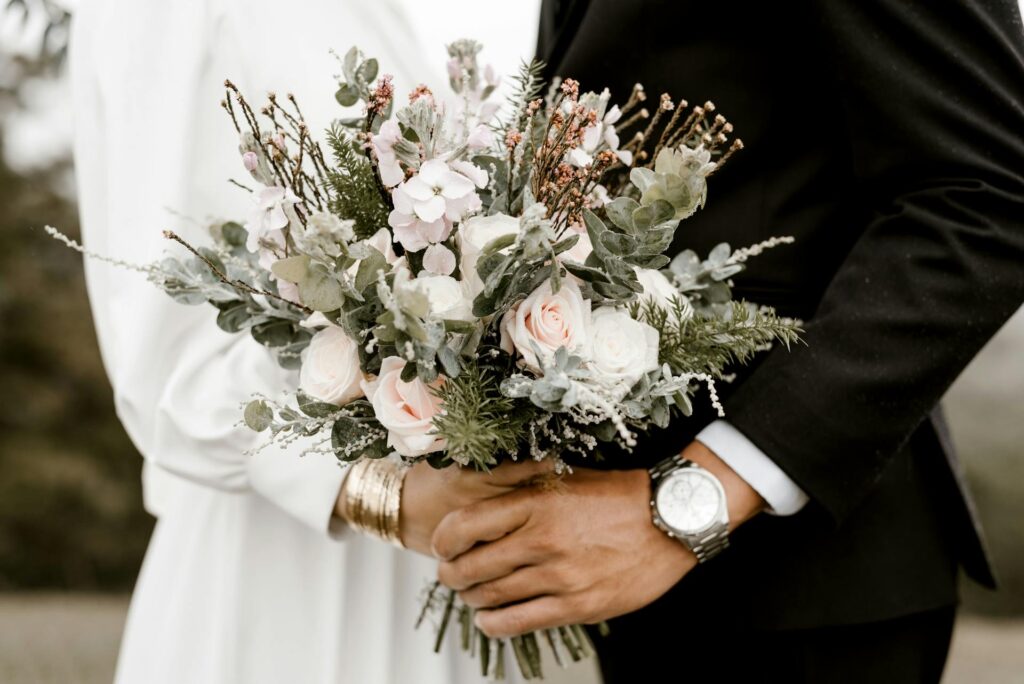
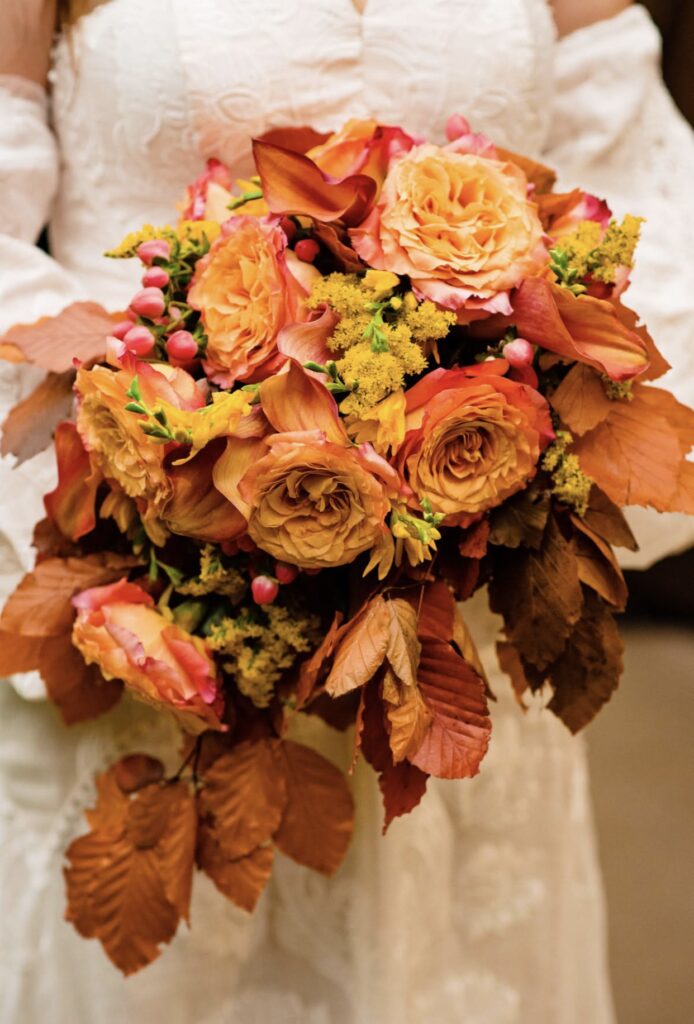
Couples is that they can either increase their budget to keep everything the same, or we can substitute with local flower growers. This means going with seasonal flowers. Truth be told, our couples have been loving the shift to local options. For winter weddings, if you want a specific flower that can’t be grown domestically during the winter, you will need to increase your wedding budget. There will be added costs to accommodate.
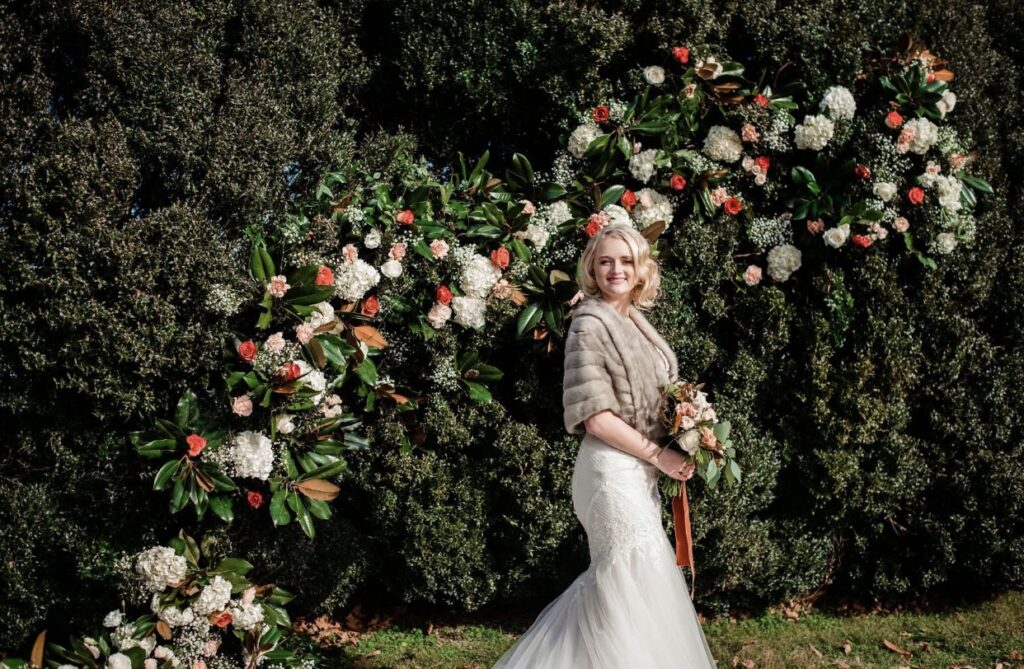
One tariff reducing trend we have seen and love? Including a lot of landscaping plants and bushes in your decor. By using these flowers and bushes your guests get to take home, plant and remember your wedding. Plus it has the added bonus of making your event sustainable. By reducing the number of imported cut flowers you can then stay within your budget.
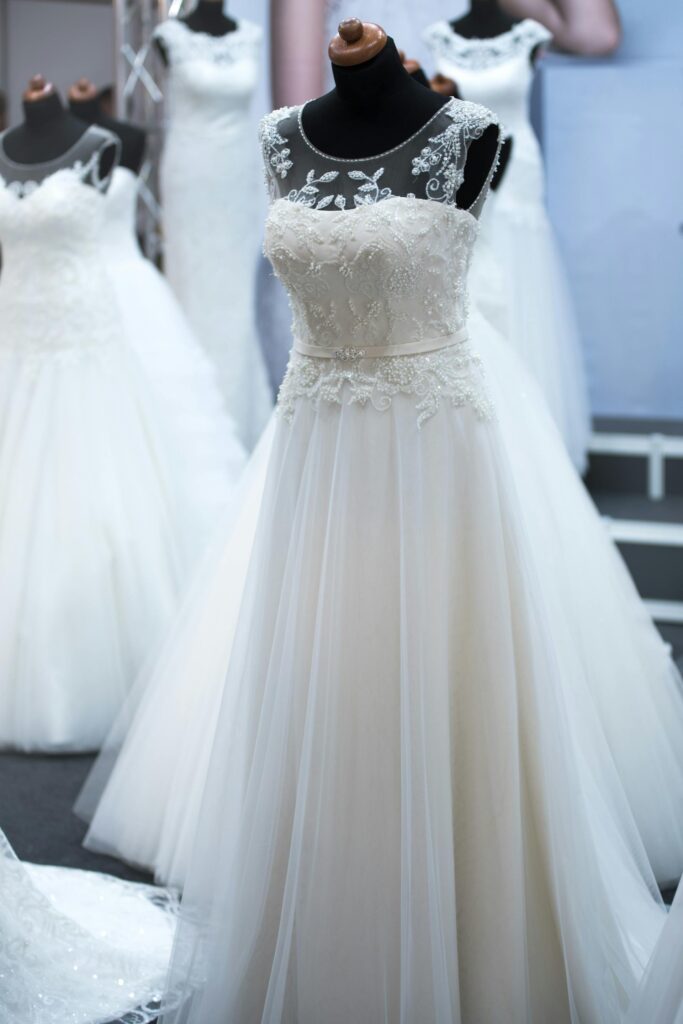
Bridal Gowns See Tariff Price Increases
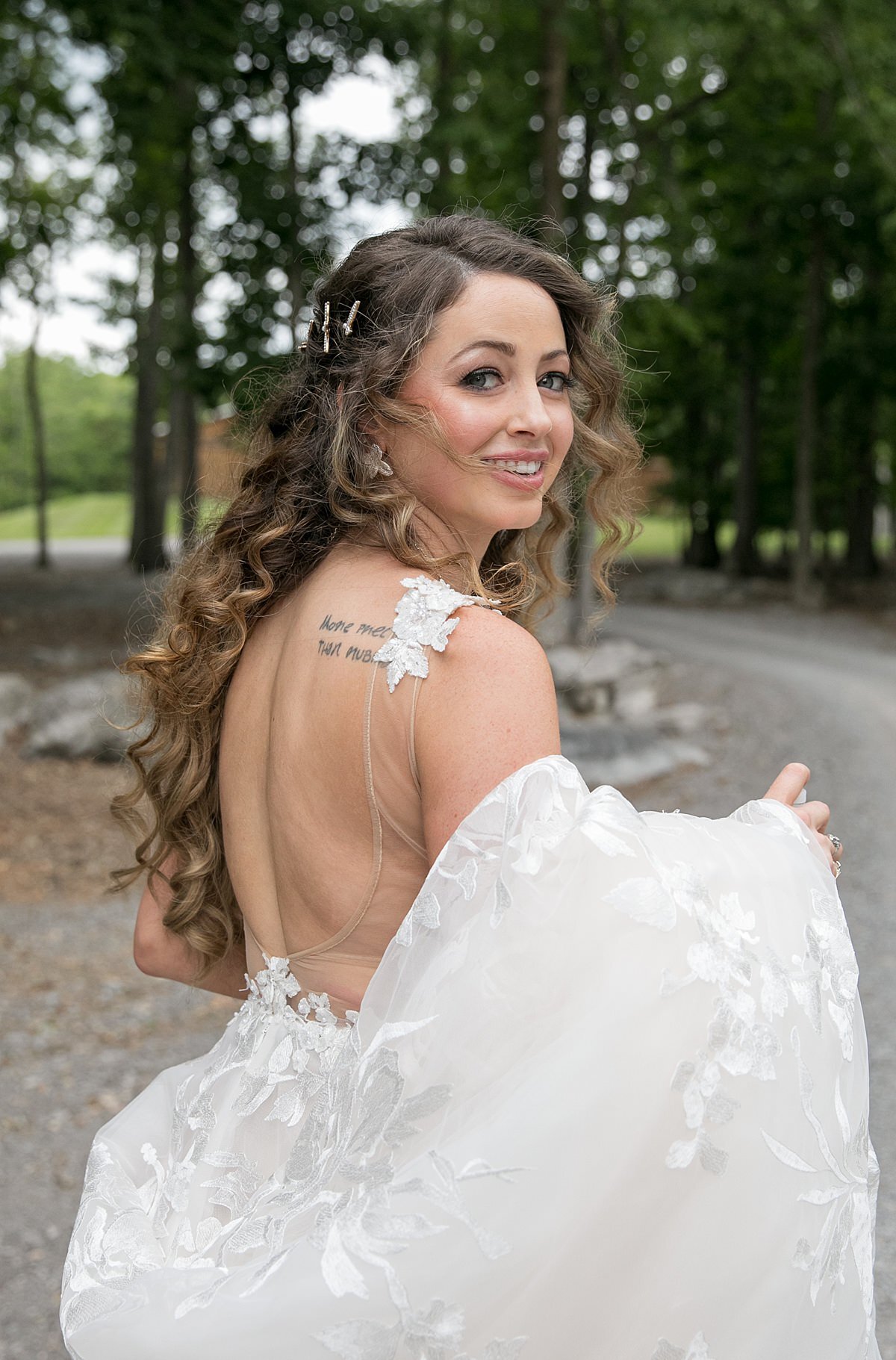
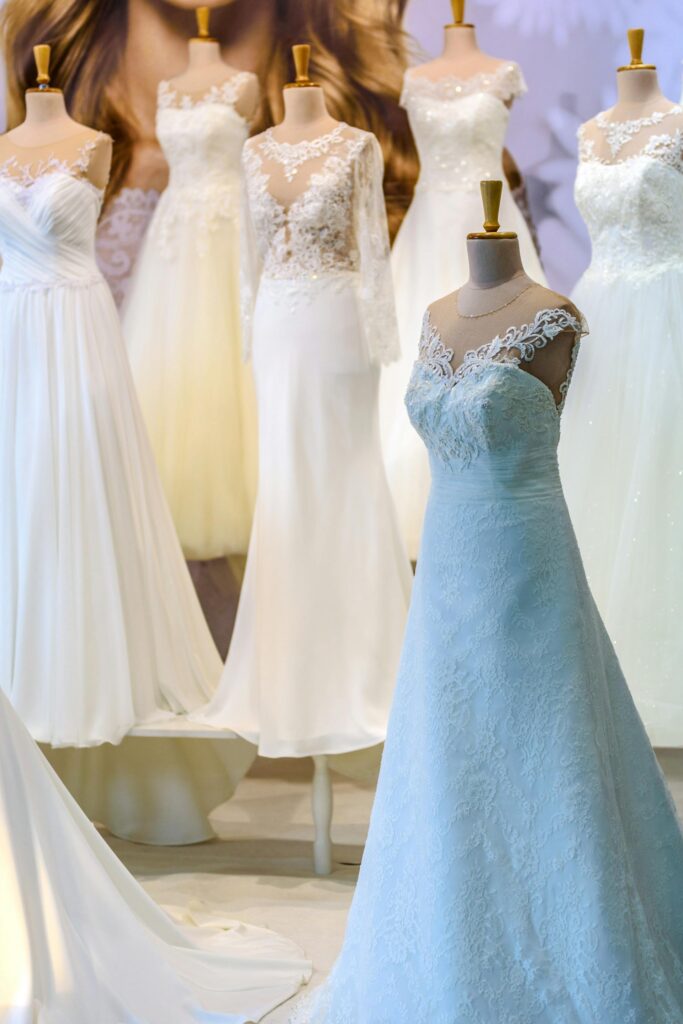
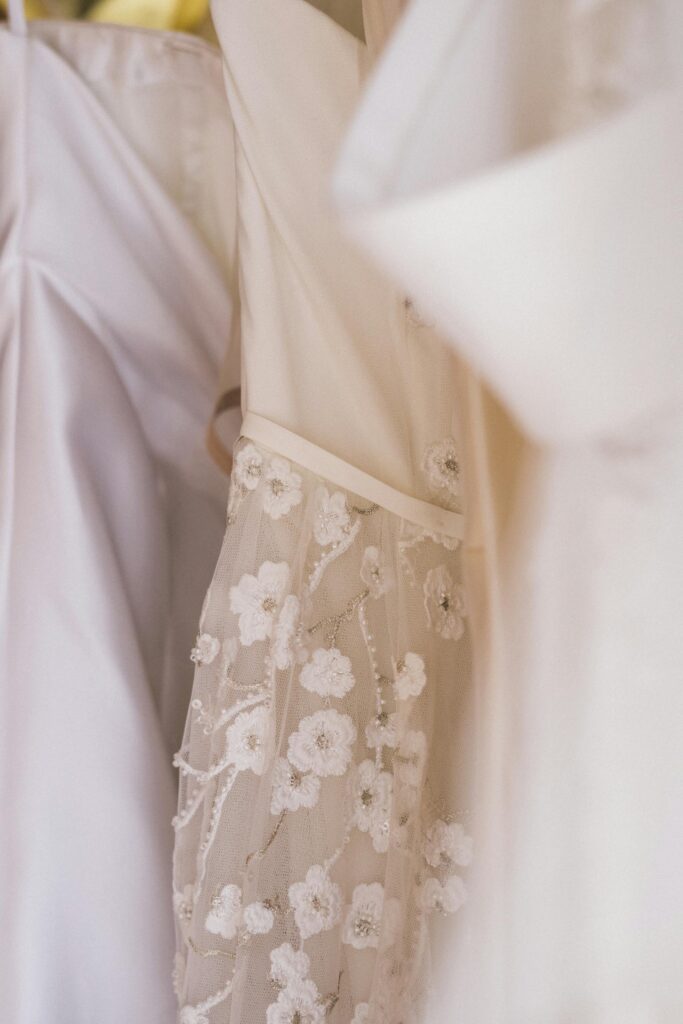
The cost of designing and making a wedding gown is influenced by components sourced from various countries. Tariffs on materials and production, along with transportation costs, contribute to higher prices. Price increases are common in the wedding industry, regardless of where the gown is made. Some designers apply a flat price increase, while others add a tariff surcharge ranging from 10% to 35%. Bridal boutiques typically see price hikes several times a year, even without tariffs.
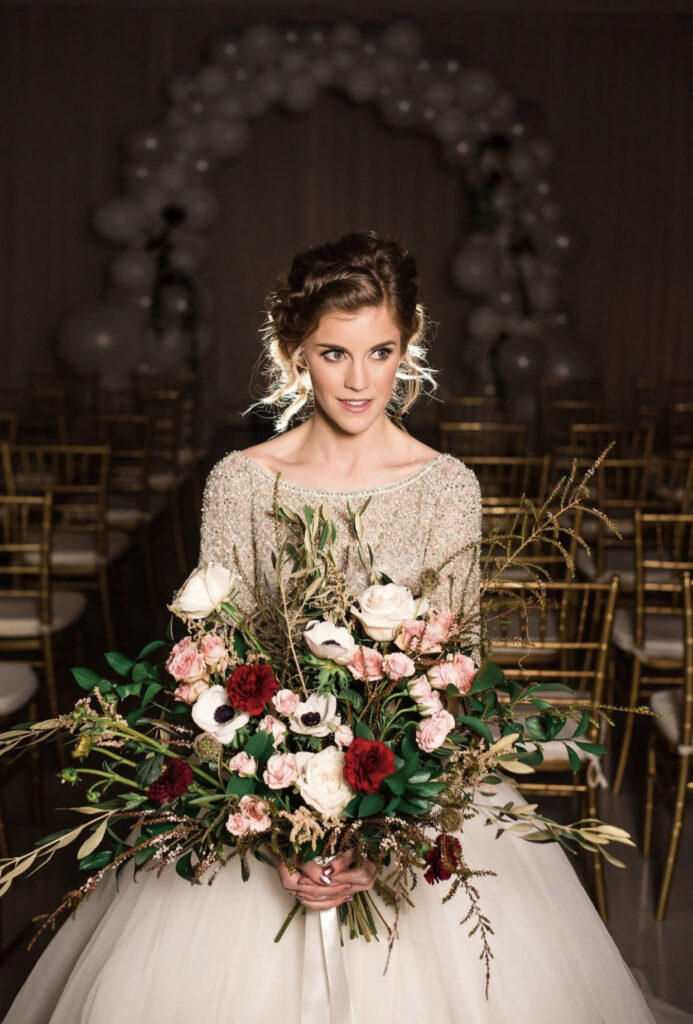
We always advise brides to buy a gown they love without waiting too long. It could be discontinued or its price could go up. Bridal gowns are custom-ordered, with production times usually taking six to eight months. However, there are dresses available for every budget, even with rising costs. Brides can also find significant savings by purchasing sample dresses or pre-owned gowns from resale retailers.