
Why Lighting is SO Important When it Comes to Wedding Photography
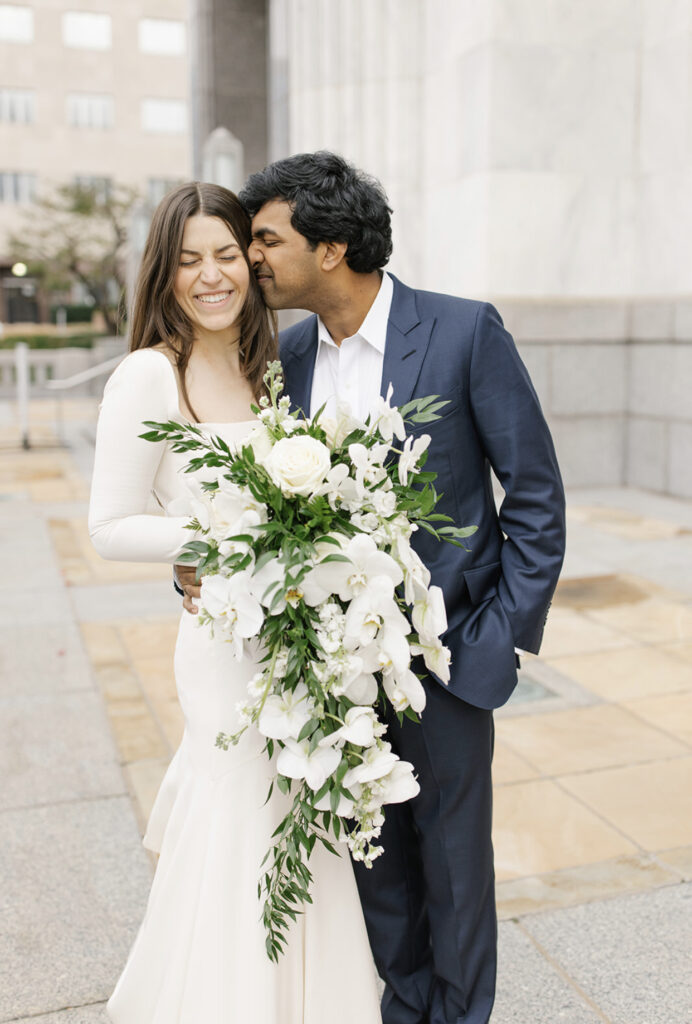
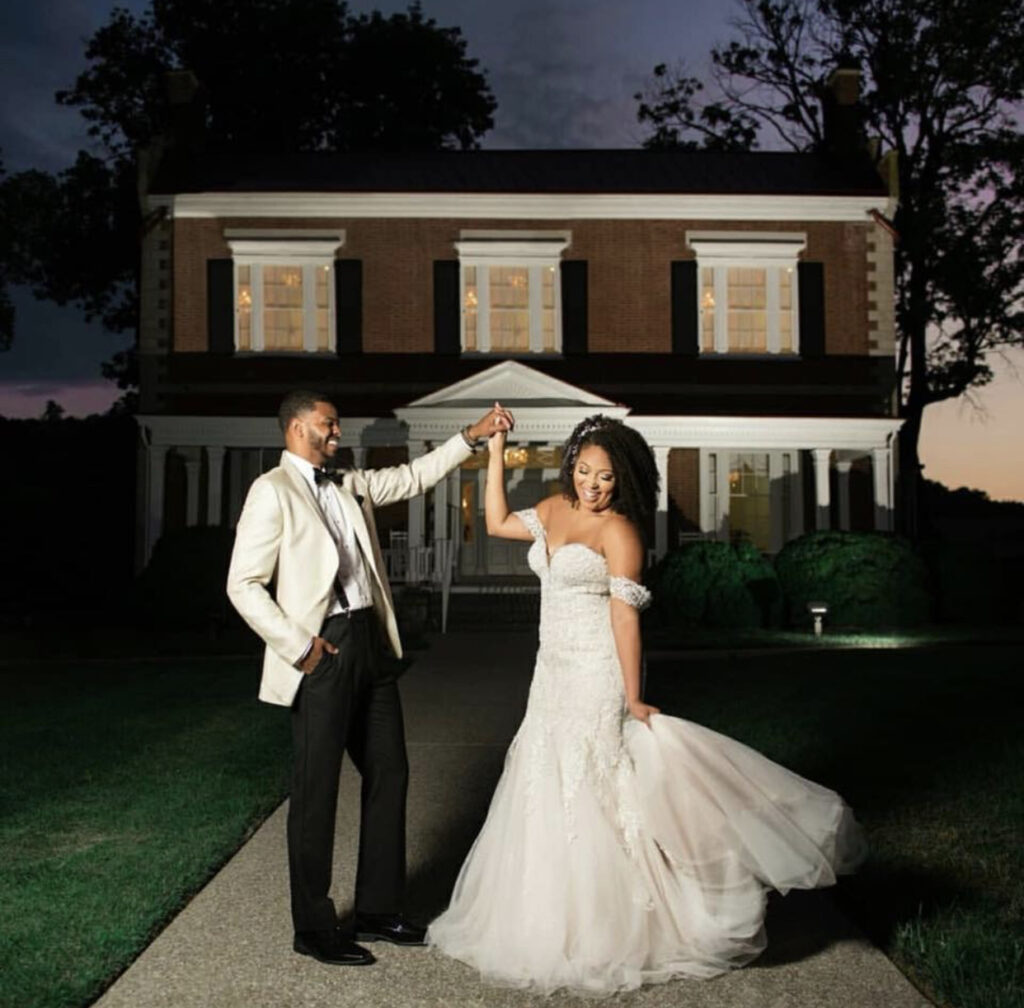
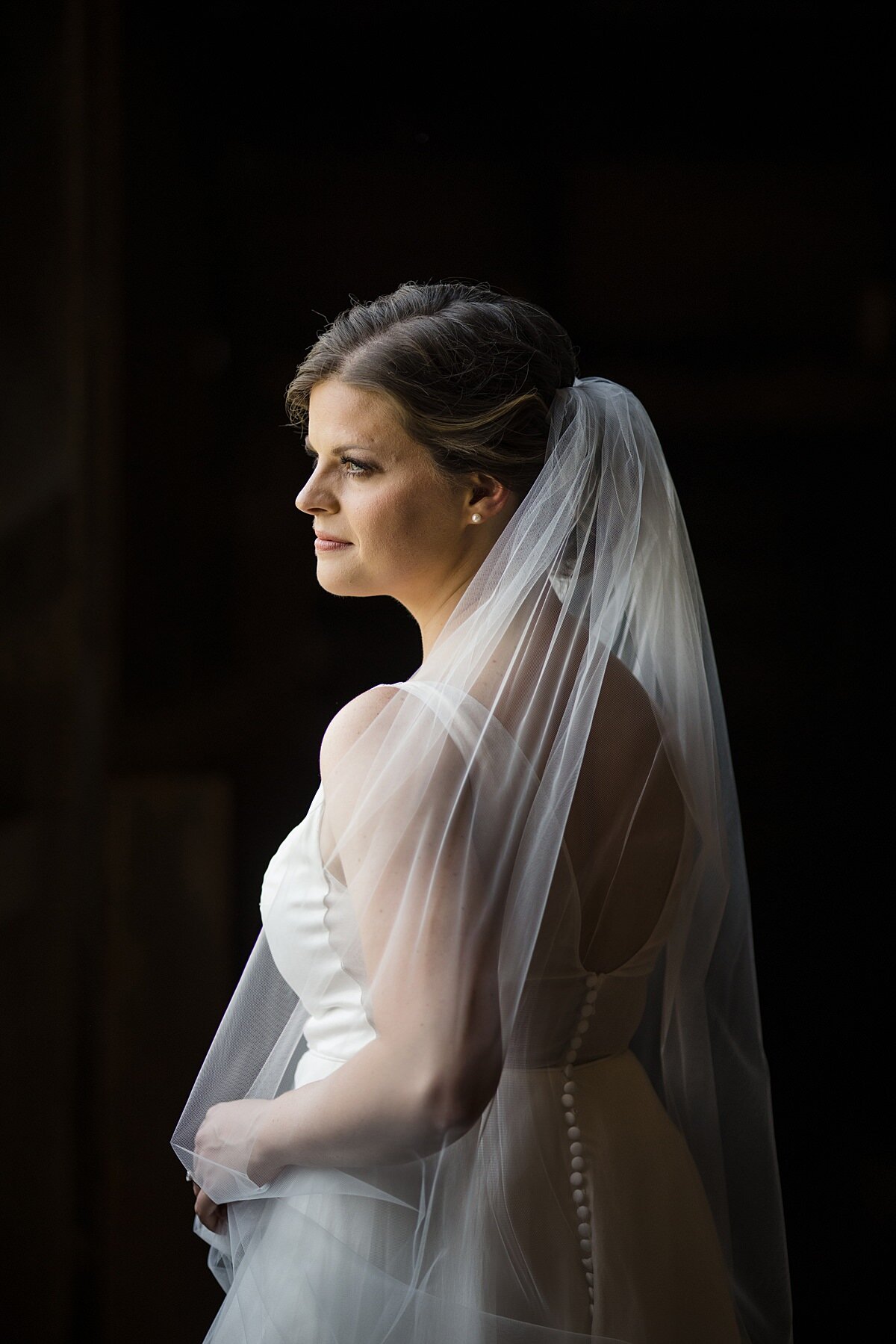
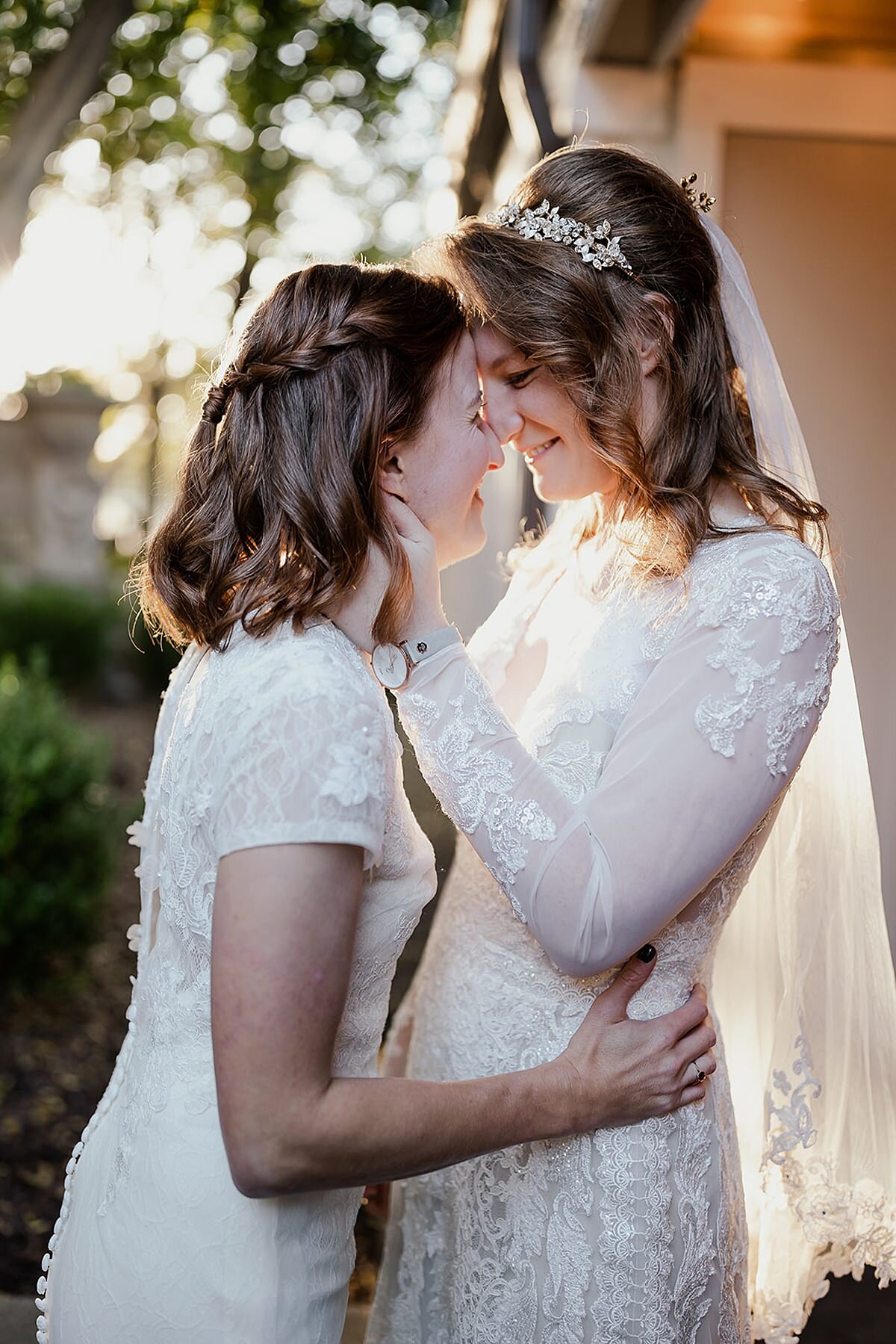
Even the world’s best photographers are going to have a hard time creating a light and airy feel in the dark. Whether it’s a windowless ballroom or an outdoor reception at night, they can only do so much with what they’re given. This is why lighting is so important when it comes to wedding photography. It’s important to study how the photographers you are considering hiring handle the lack of light. Consider what the light will look like at your venue throughout the day. Ask your photographer how they would handle that kind of lighting. Be sure to look at an entire gallery. Get a real feel for how they photograph and edit once the sun goes down. Make sure you love that part of their work, too.
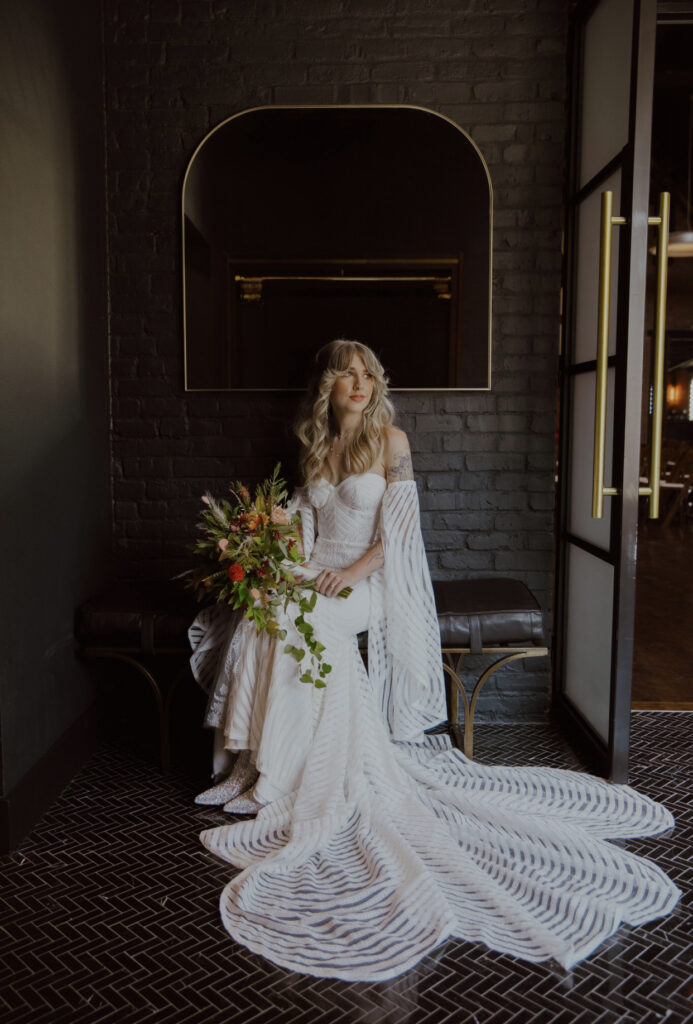
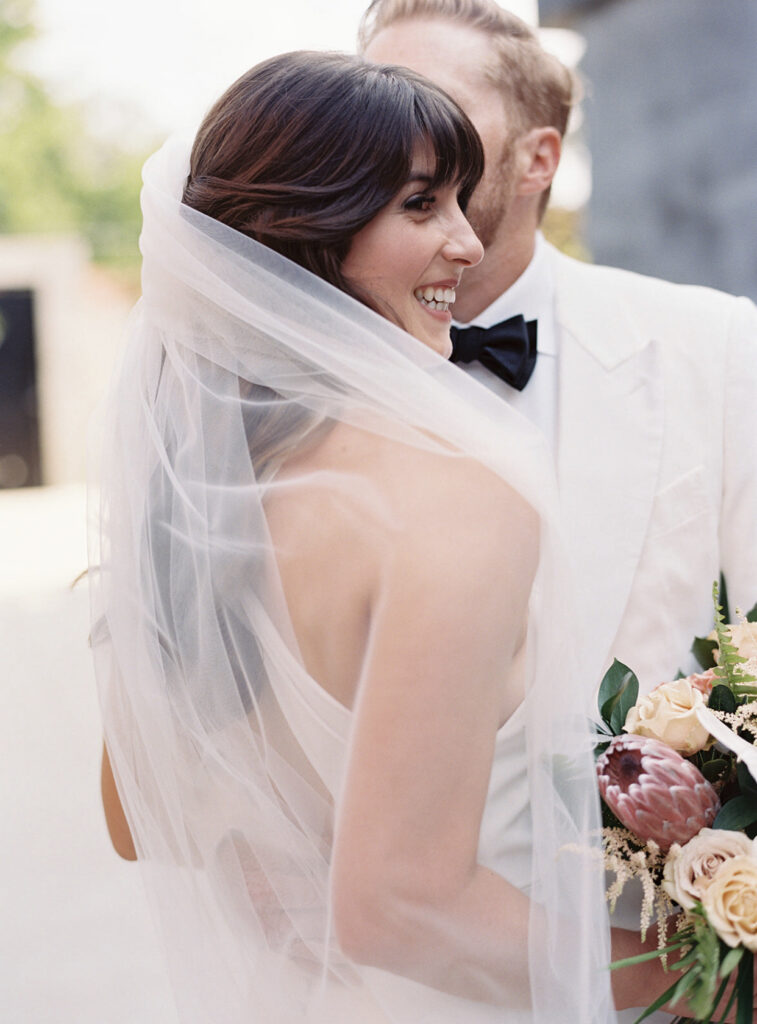
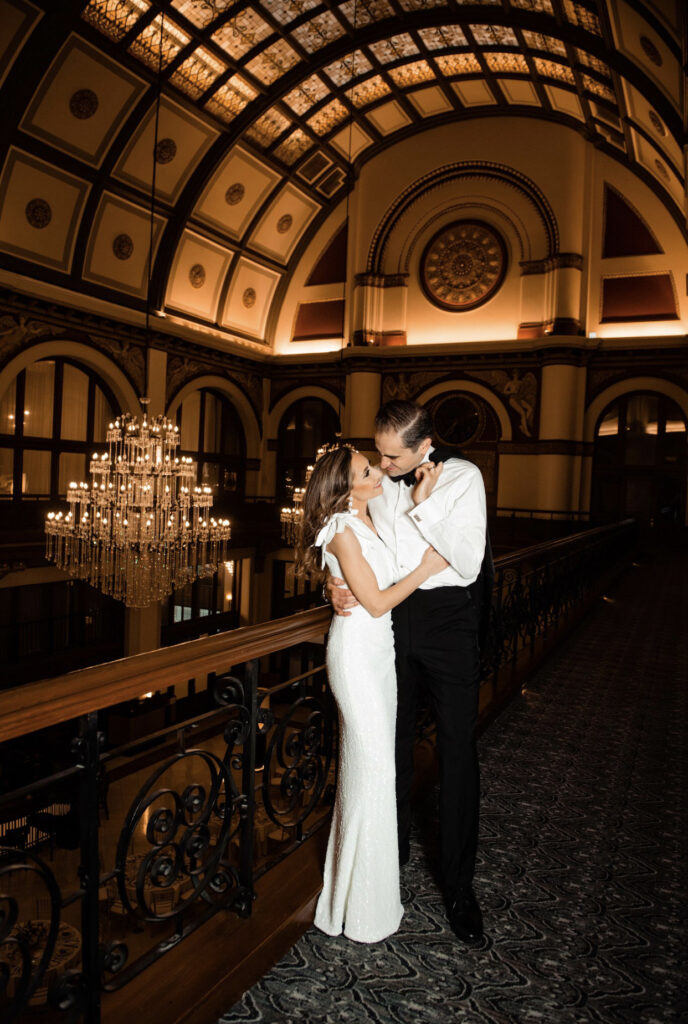
Digital Photography vs. Film Photography
In addition to a photographer’s shooting style and editing techniques, there is another major factor that affects the overall look. The type of equipment they use. When digital cameras hit the scene, the whole world took a bit of 180°. Previously, all photographers captured wedding memories on film. Darkrooms were replaced by Lightroom, Photoshop, DSLR’s, computers, memory sticks and flash drives. The ease, speed, and the vast improvement in low light photos turned the photography profession upside down. Many photographers began to shoot digitally. However in recent years, film has made a comeback, particularly in the wedding world.
Each format has its own strengths, drawbacks, overall characteristics, and learning even a little bit more about the topic would encompass a whole other guide! The important thing is to determine what style of images you personally like the best. Many of the most acclaimed photographers now shoot in a hybrid style—meaning both digital and film—and know which camera will work best in each setting, especially as the light changes.
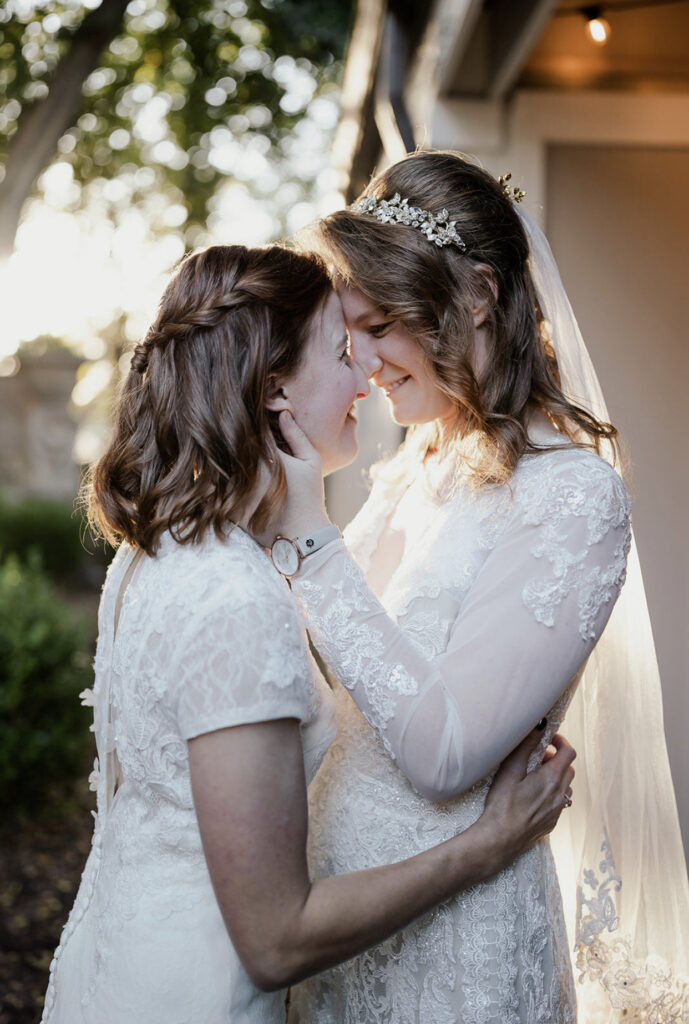
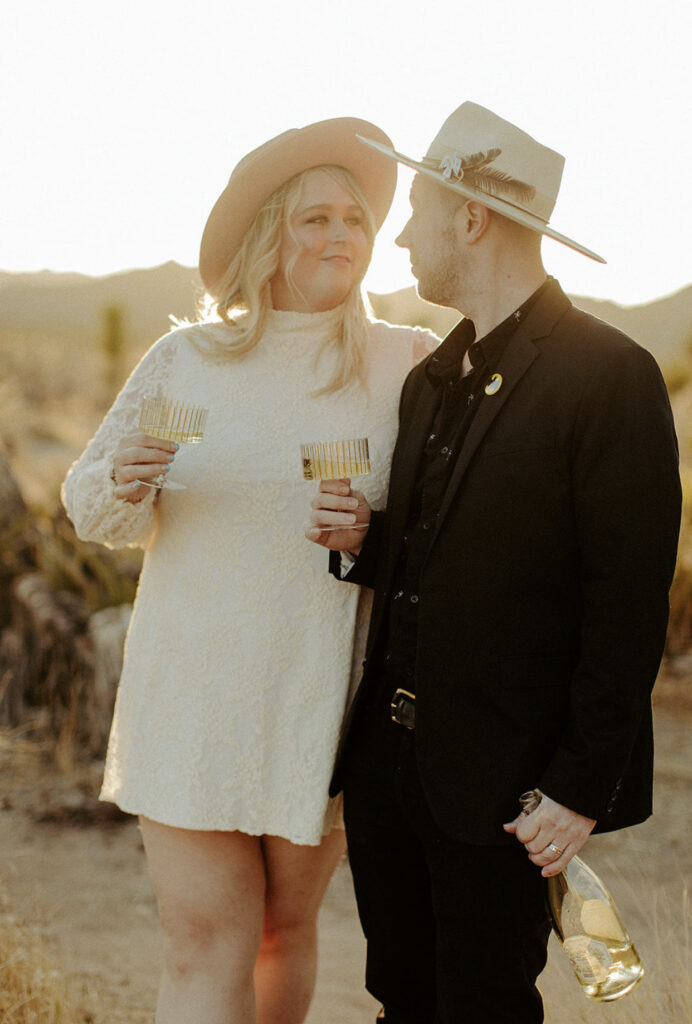
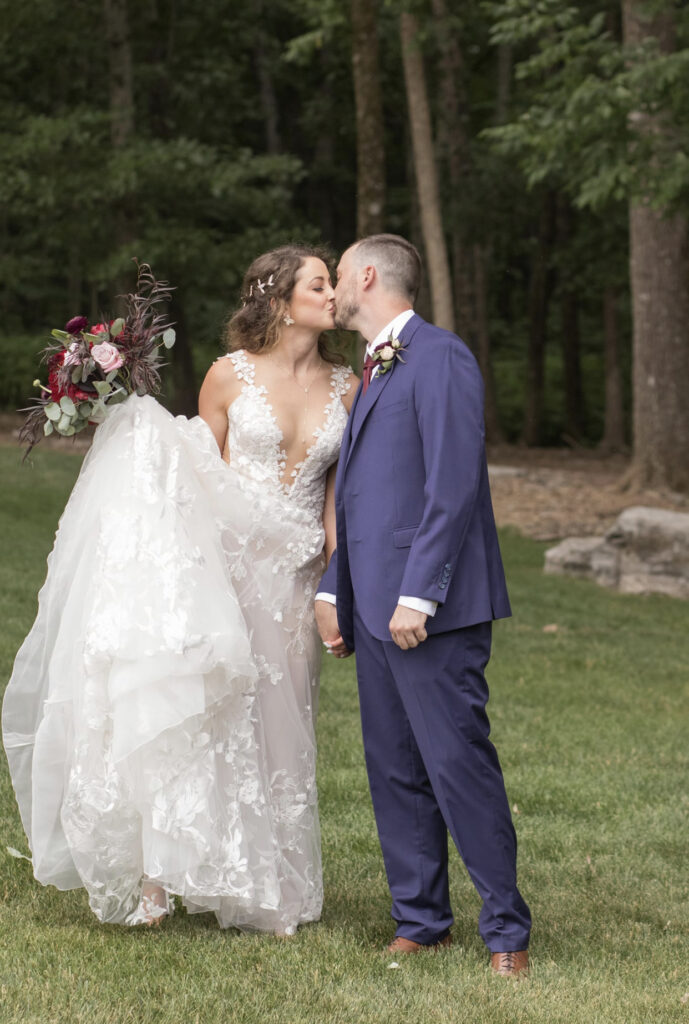
DIGITAL WEDDING PHOTOGRAPHY
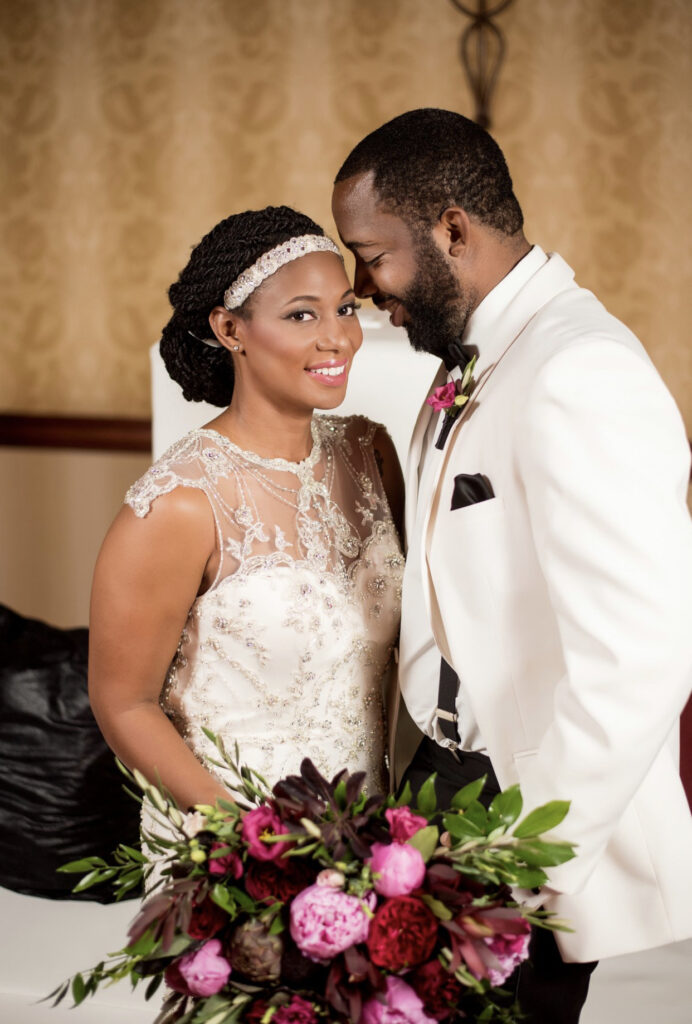
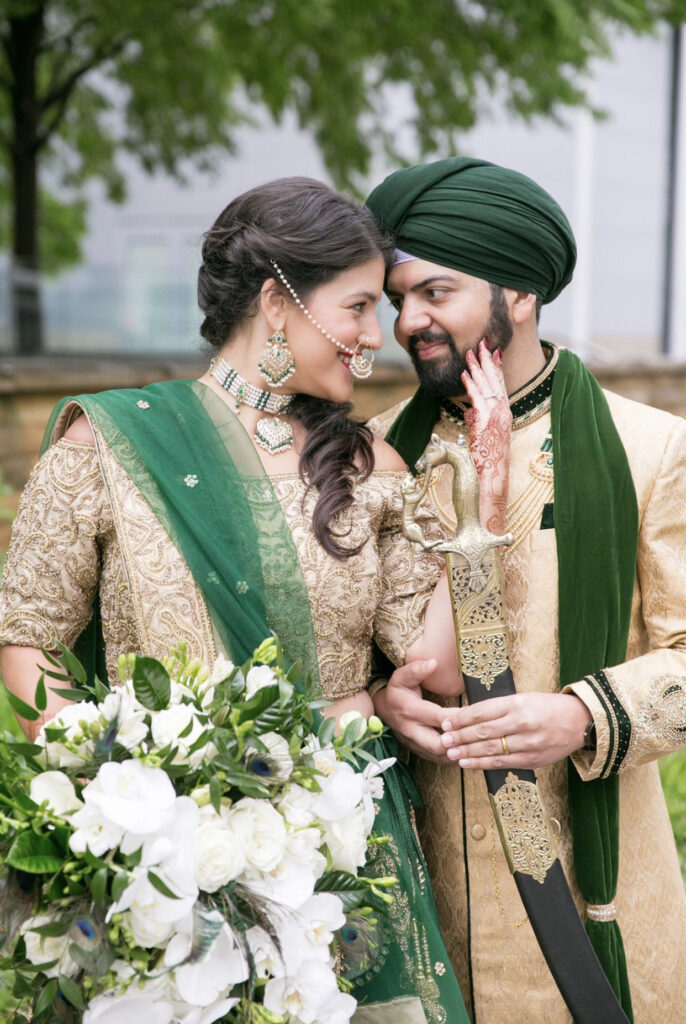
Armed with high-quality digital cameras, a variety of lenses, and other camera gear, digital photographers can capture your day in crisp clarity. Digital photographers are able to see images right after they take them. They can take and store thousands of photos on one memory card. This leaves a lot of flexibility and room for play. Things can easily be reviewed and adjusted as you go.
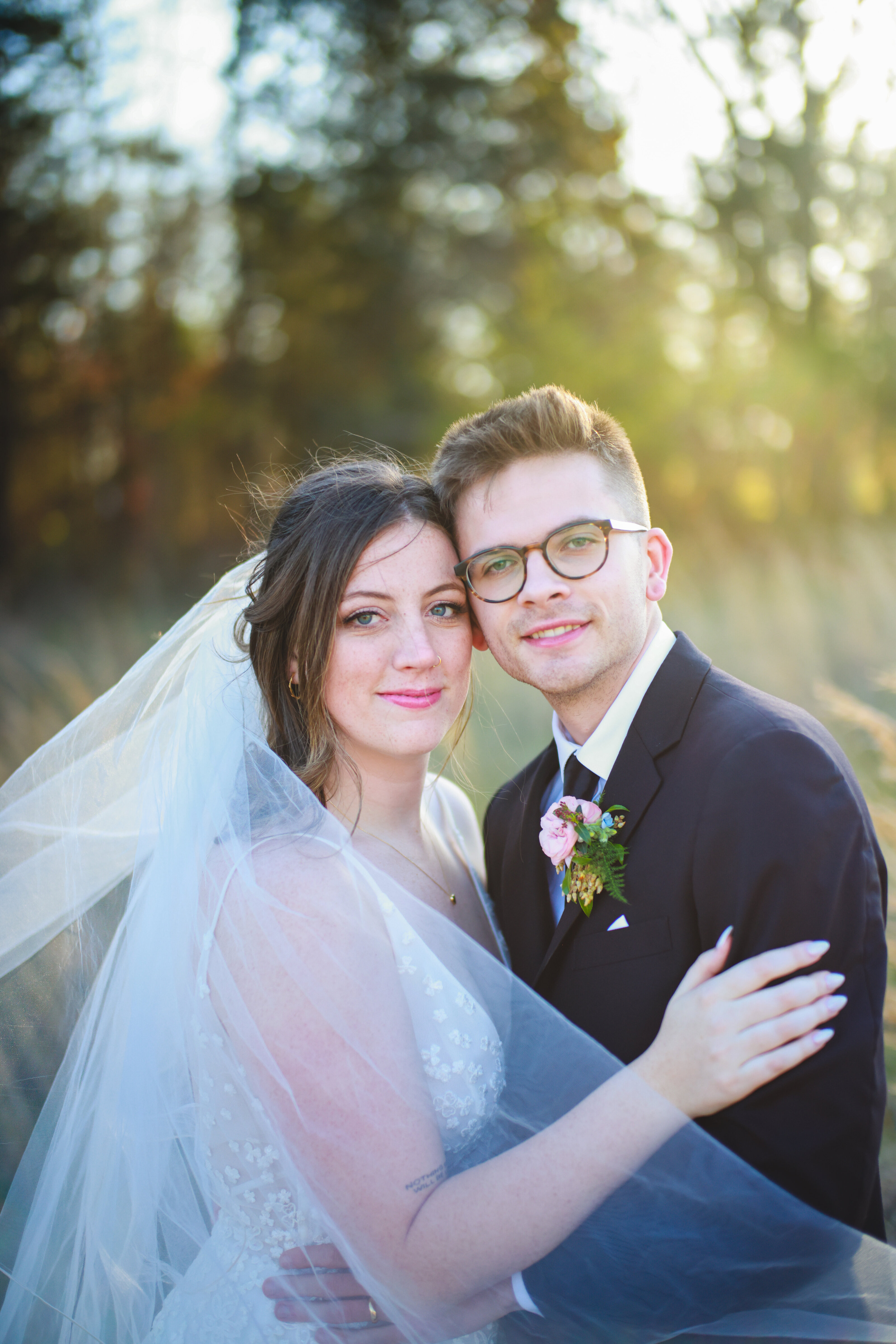
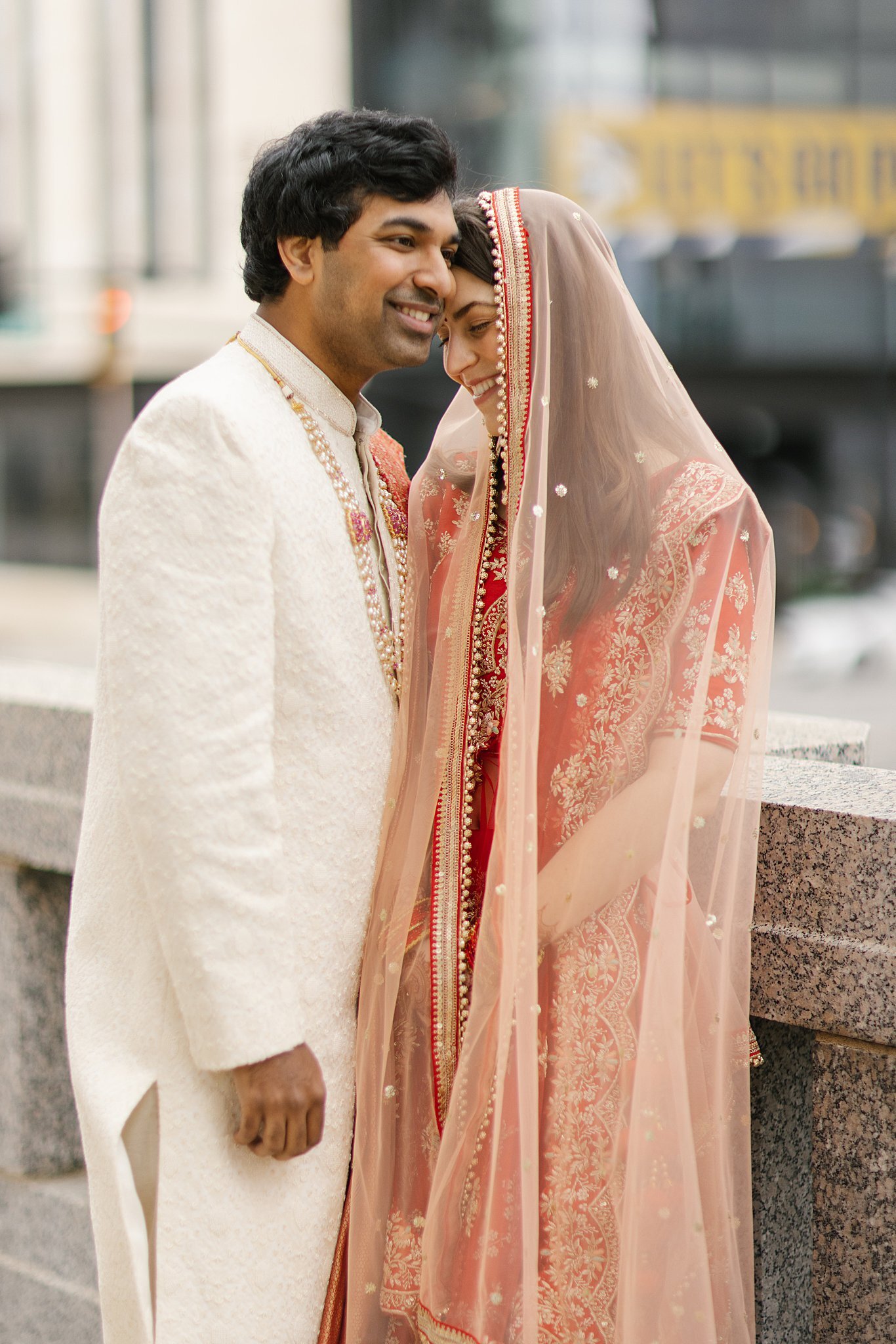
While digital has a look of its own, we are seeing more and more digital photographers shoot and edit in a way that mimics film. By introducing more grain, softening colors, and creating the dreamy, blurred backgrounds with different lenses, they can achieve the romance and character of film.
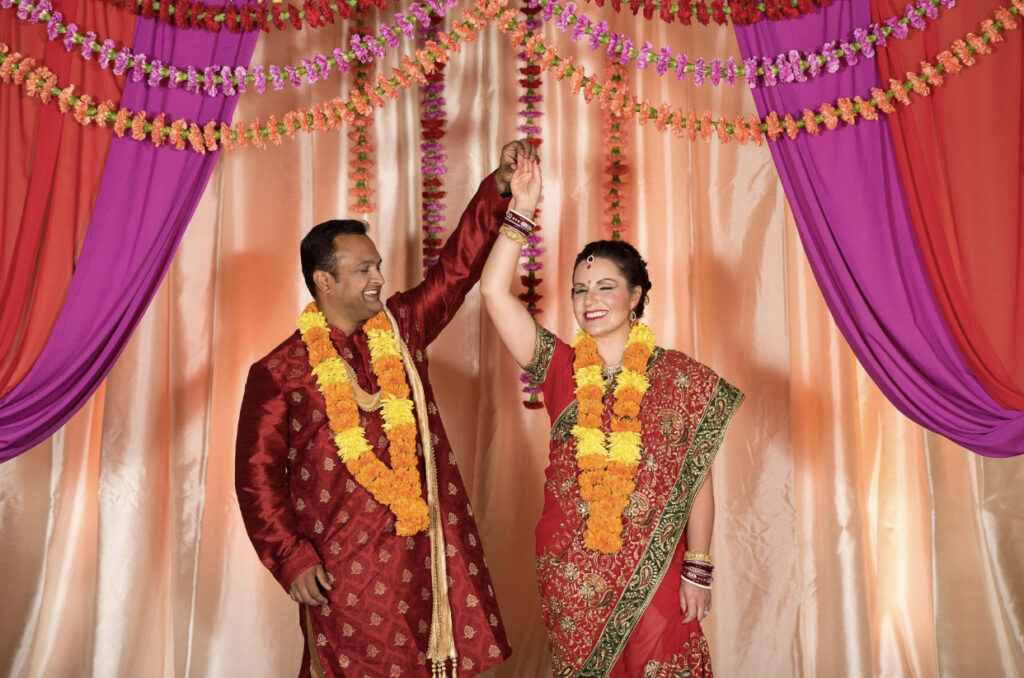
FILM WEDDING PHOTOGRAPHY
Film photography uses film-based cameras. Compared to digital, film is more expensive and time consuming to produce. A roll of film can hold far less photos than a memory card, so each shot has to be taken with special intention and care. Keep in mind that each click will cost you at least two dollars. Because it’s an analog process, there is a lot of patience, artistry, and trust involved for the photographer. Think about it: they can’t see how the photos look until after the film is developed and scanned. Because of this, film photographers tend to charge more for their services compared to a digital equivalent. Film photography brings such an elegant and whimsical character to each shot. It captures light in a romantic, nostalgic way, and film grain adds character and charm. You can really sense the craftsmanship that went into the process.
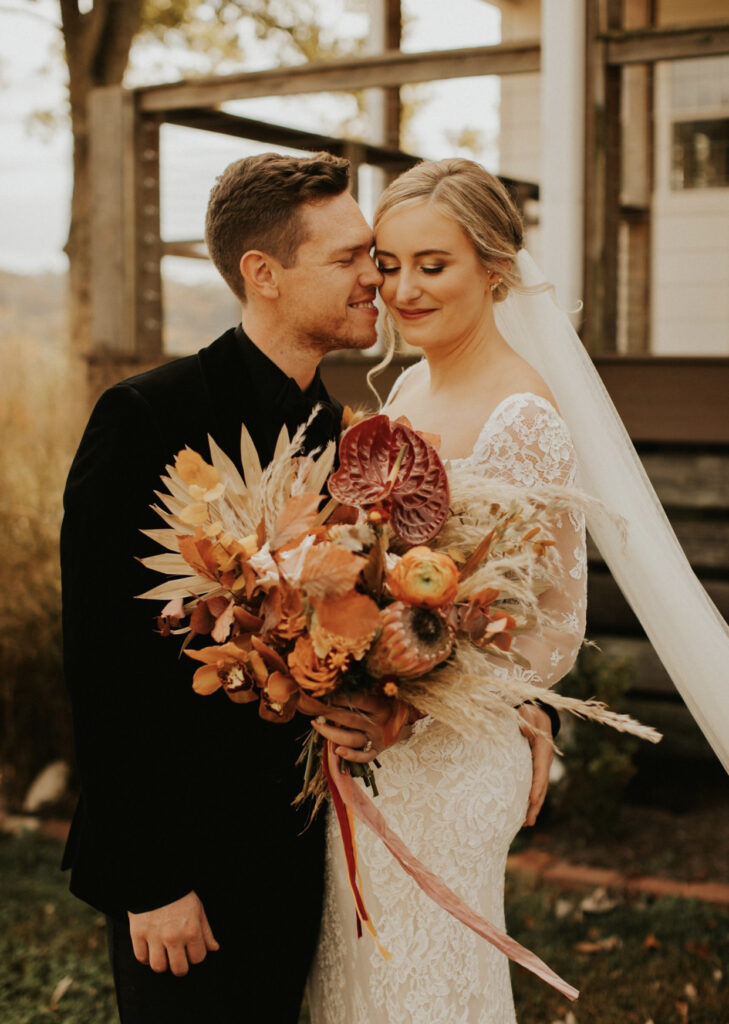
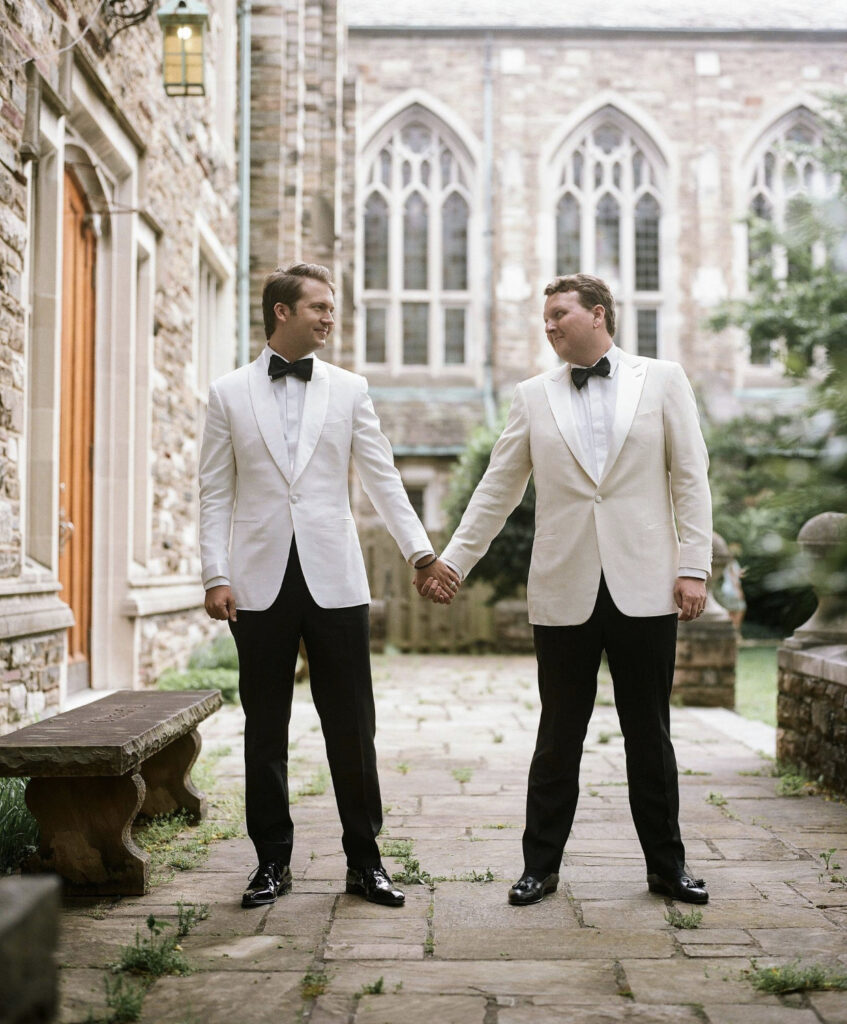
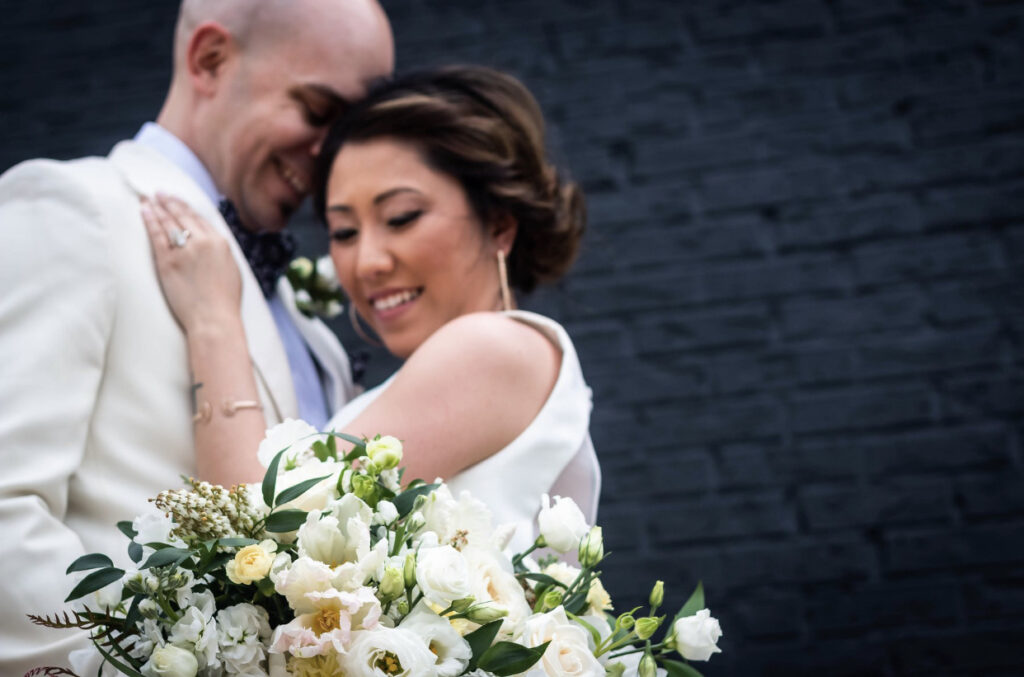
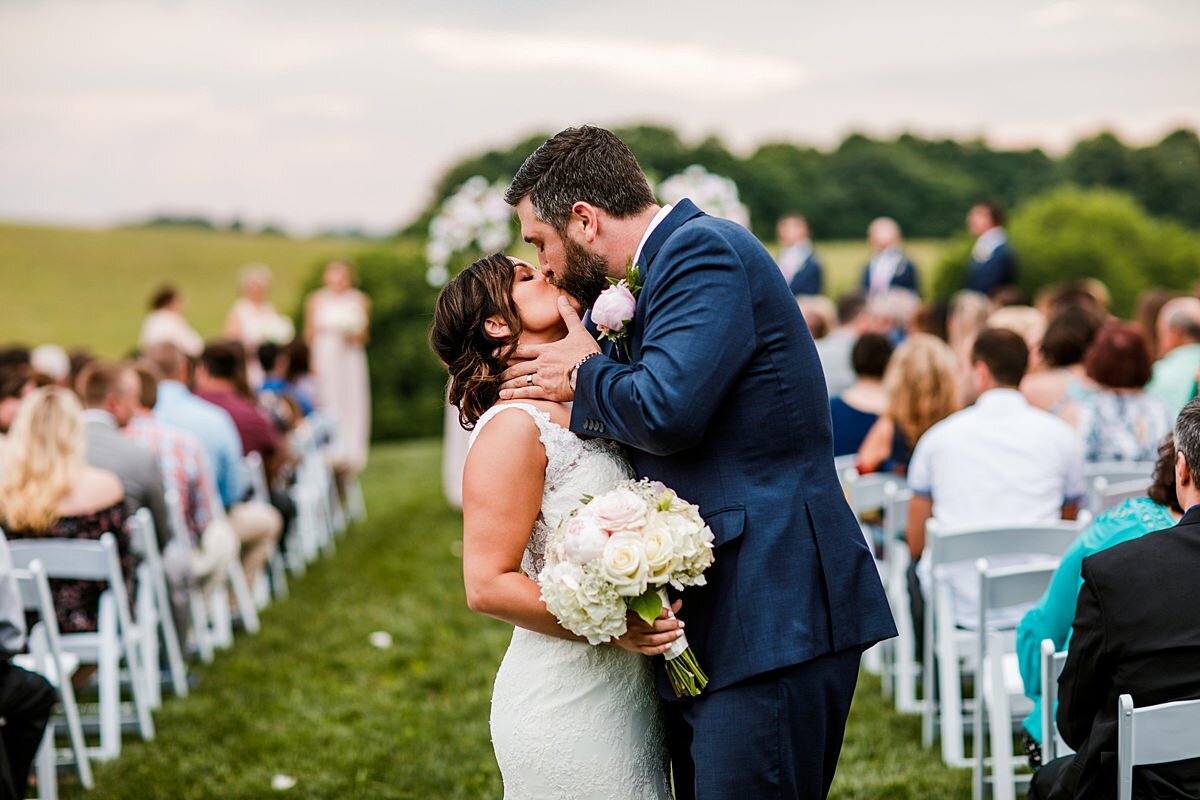
Which is best suited to your wedding day memories? Abundant images captures digitally or fewer more artful images captured on film?
Images of Weddings & Events by Raina weddings by:


March 30th, 2023 at 2:43 pm
For memories of a once-in-a-lifetime event, you really want photographic options to choose from. Sounds like a combination of techniques offer the most flexibility!